The Last Generation
For thousands of years, humanity has benefited from generational intimacy with the land. But as farms and ranches continue to consolidate across America, traditional midsize farms – once the majority – are now in steady decline, and those who remain find themselves on the precipice of an ever-widening chasm into which more than four million farming families have vanished since 1948. Dubbed the “hollowing out” of agriculture, this global phenomenon of a disappearing middle is actively shaping the rural communities of our time.
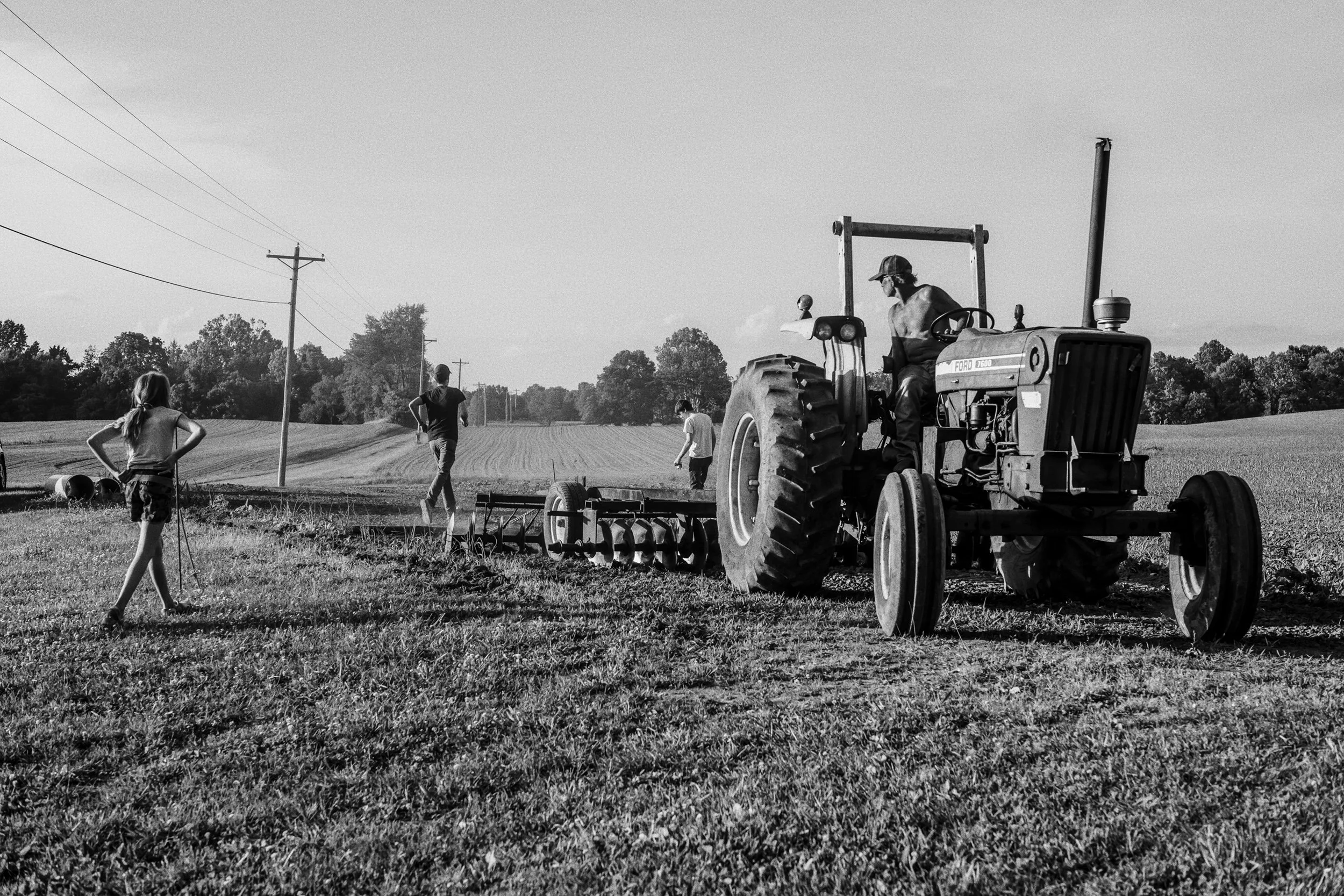
And for children growing up in this context, the journey of self-discovery has become increasingly complicated.
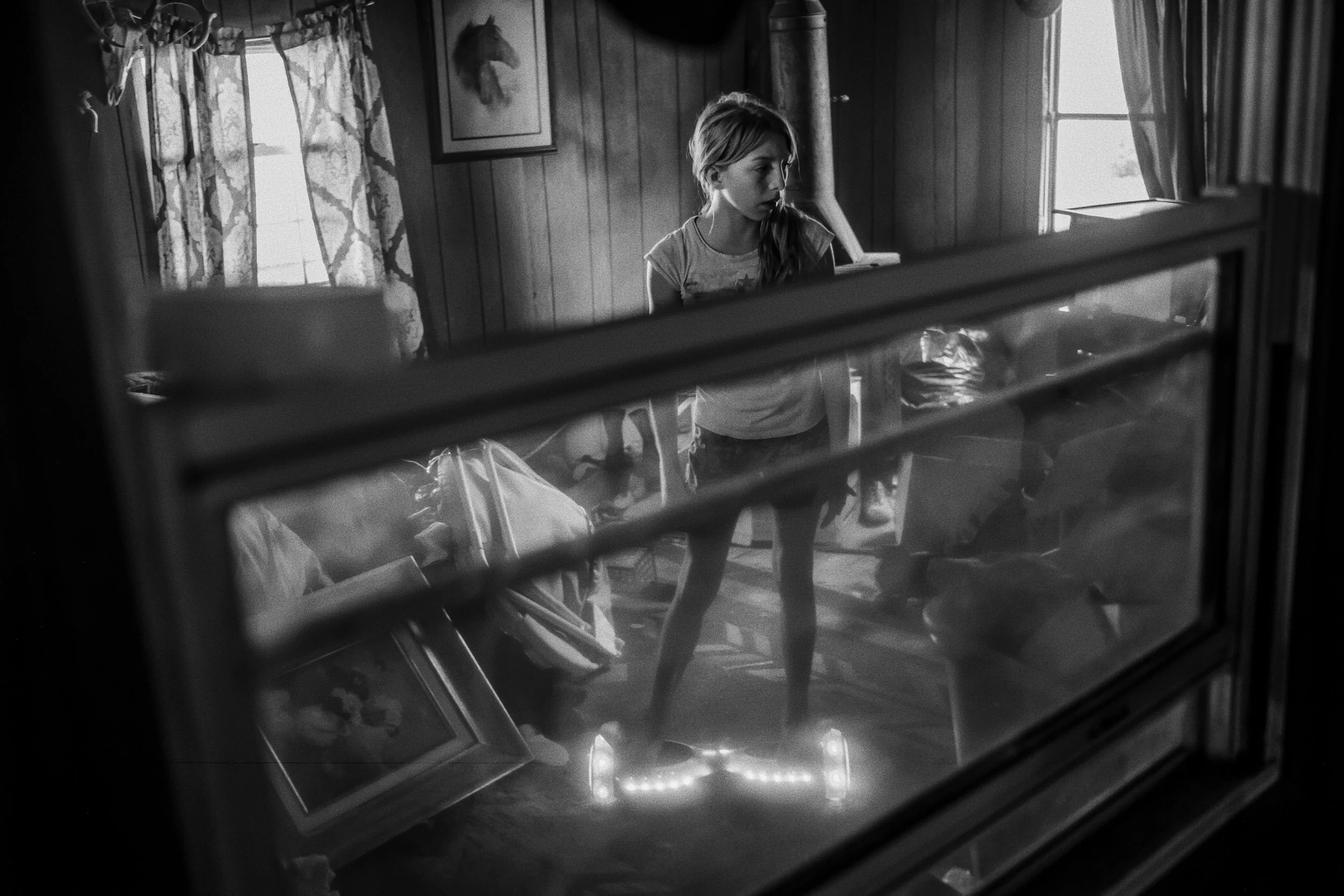
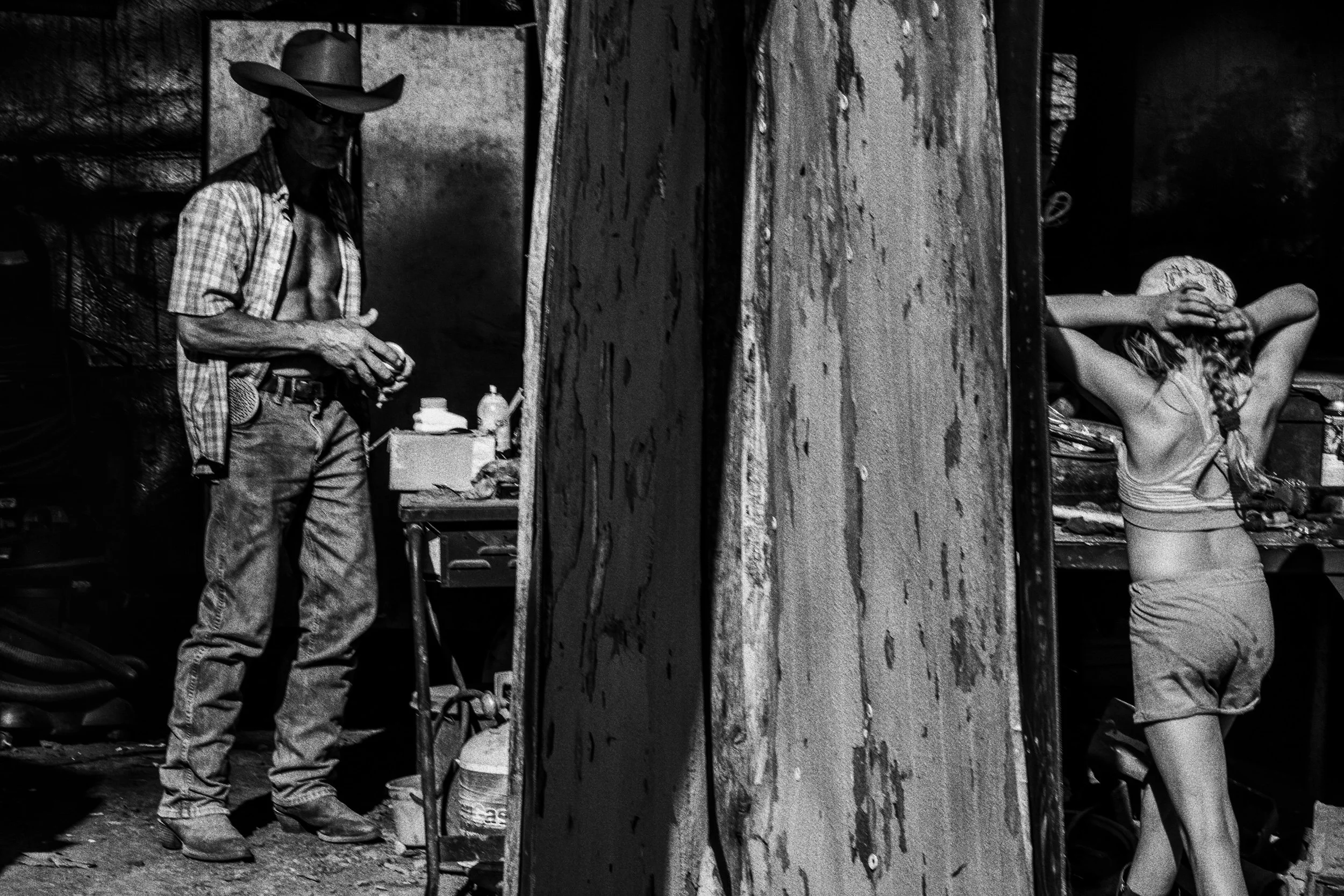
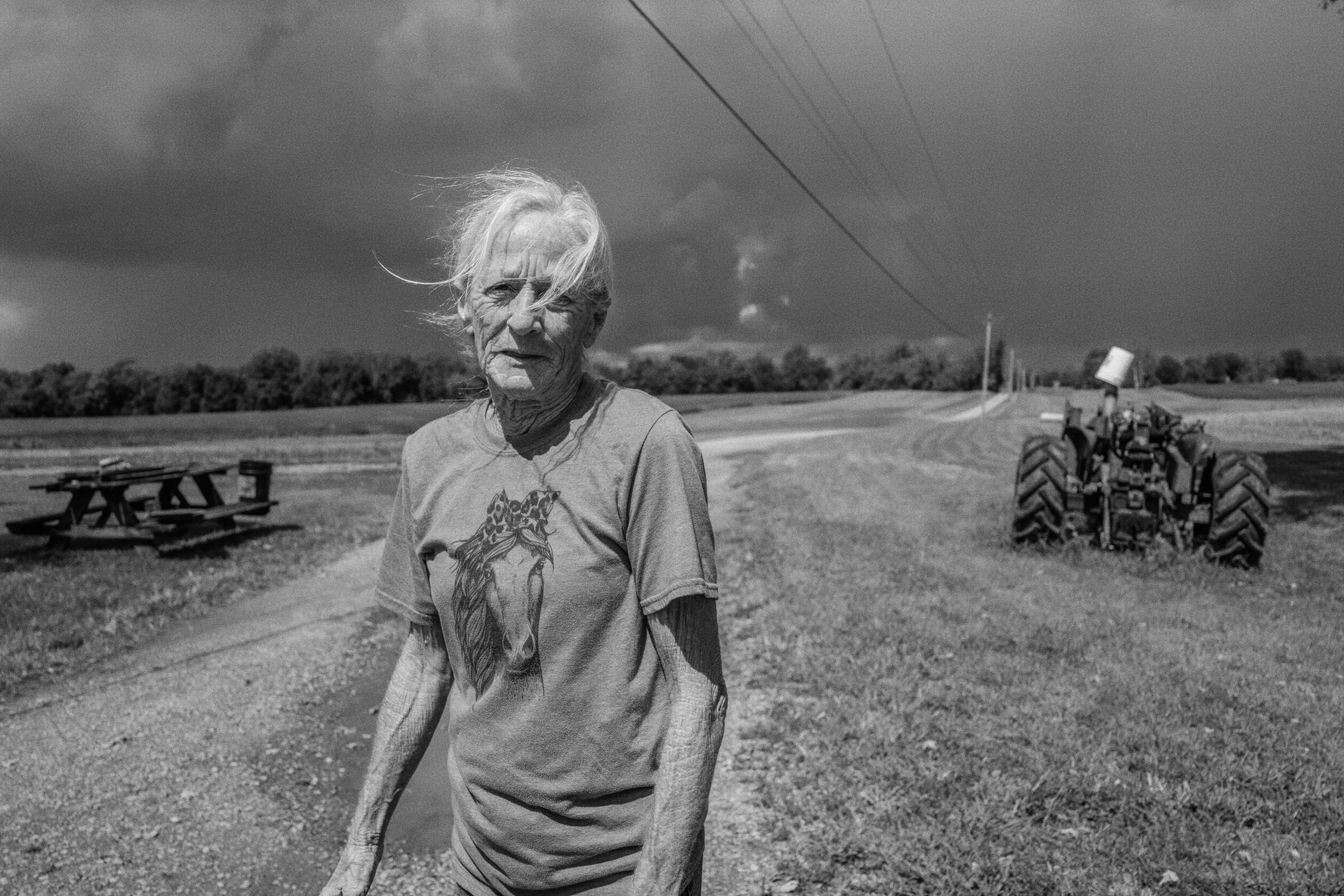
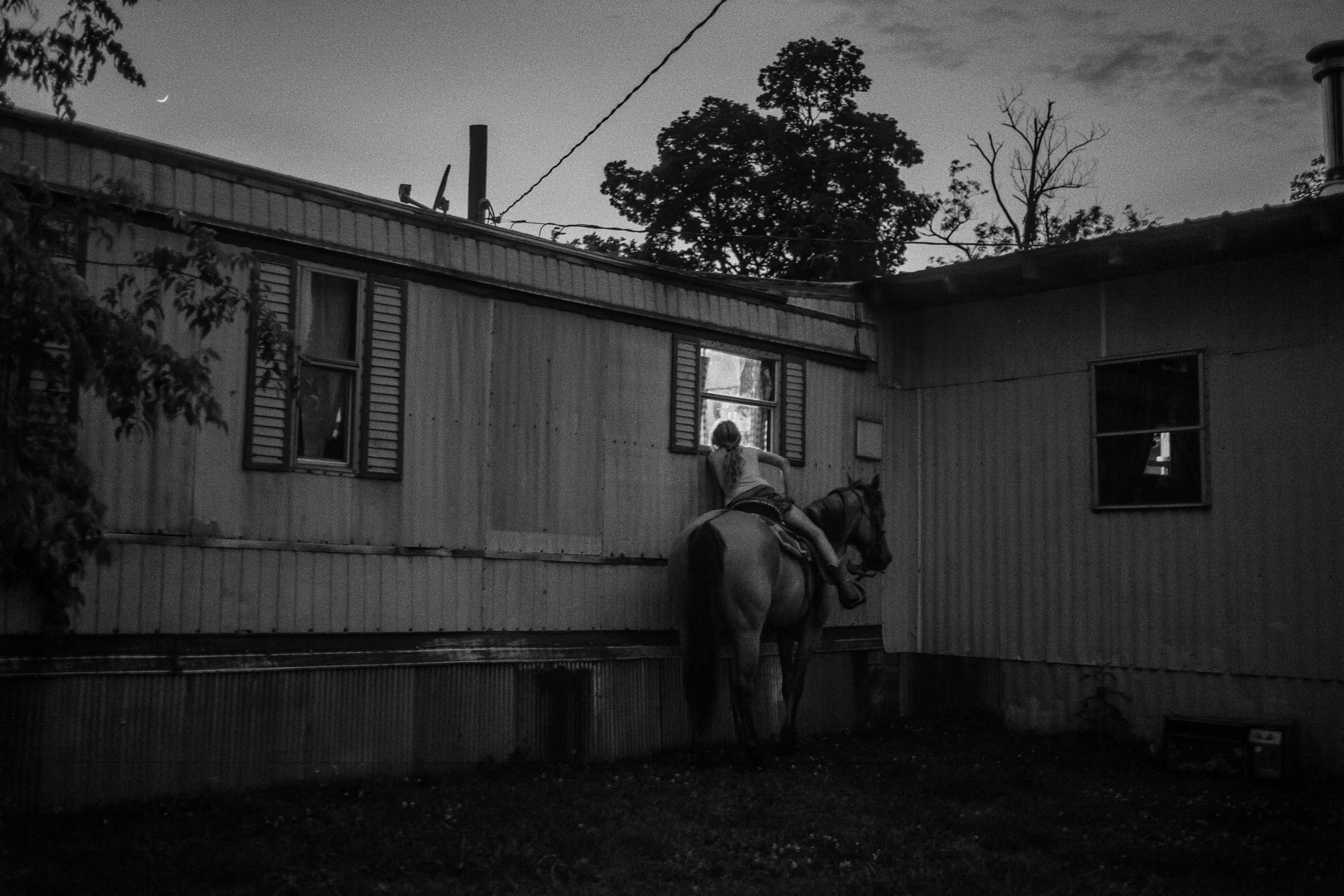
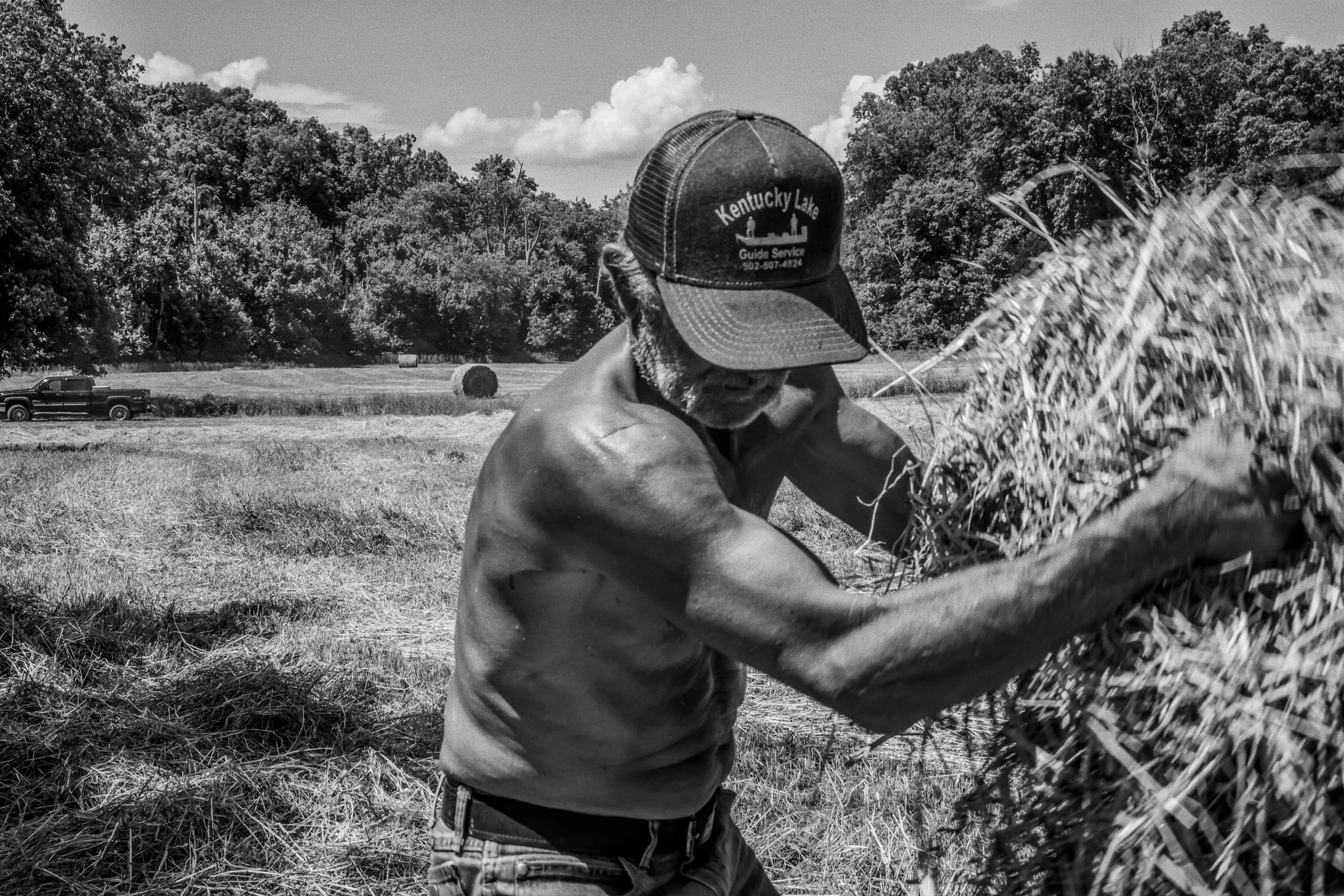
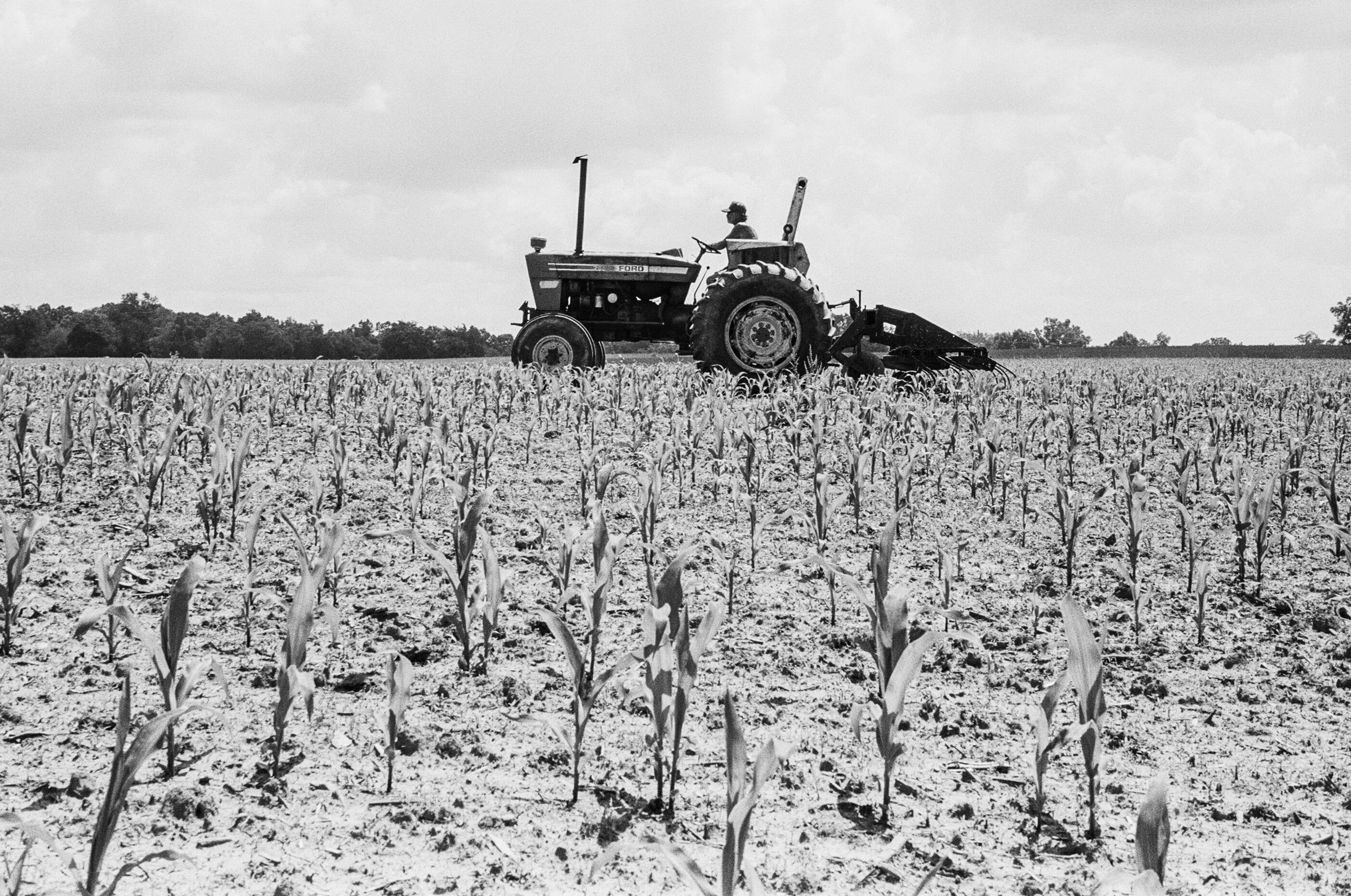
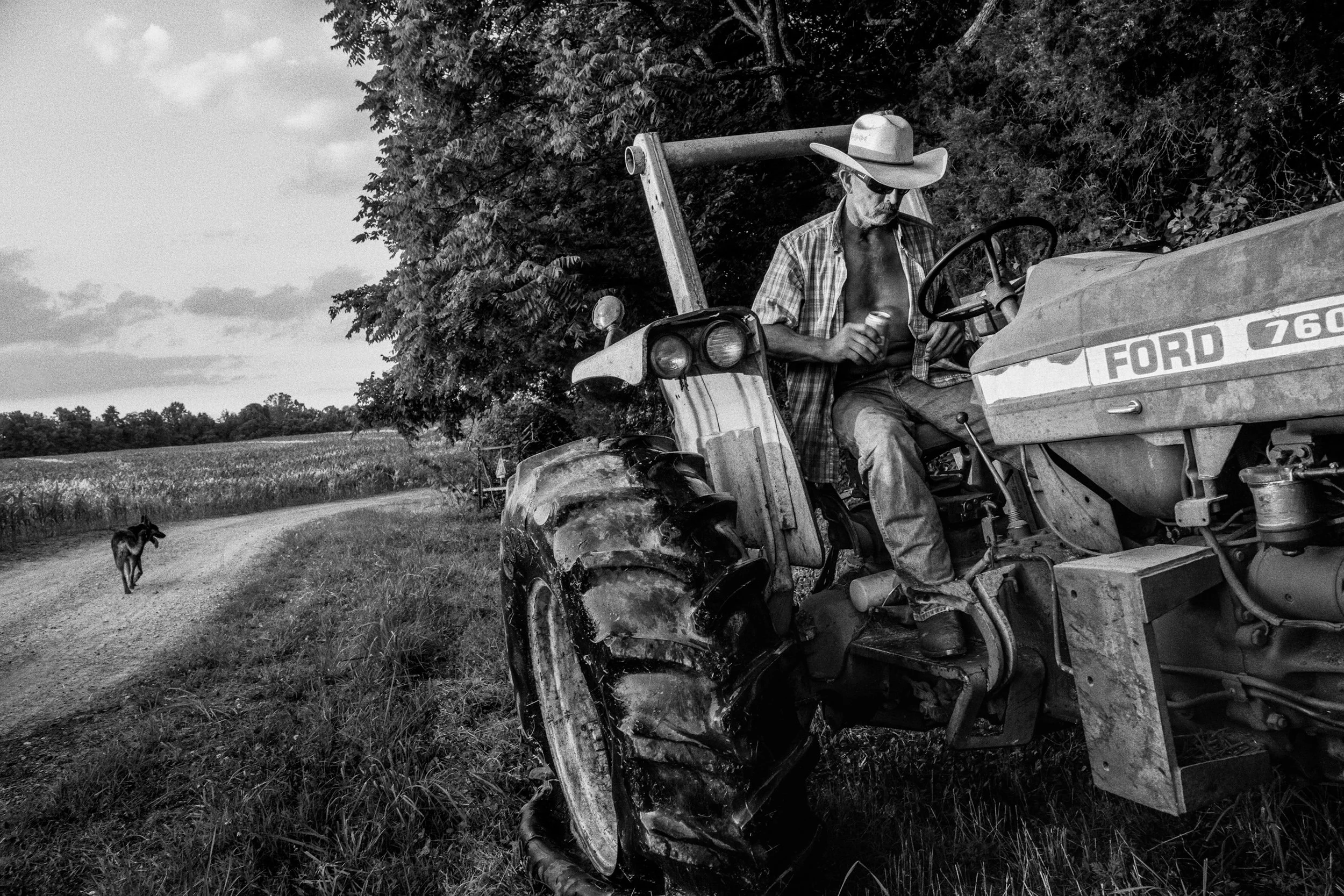
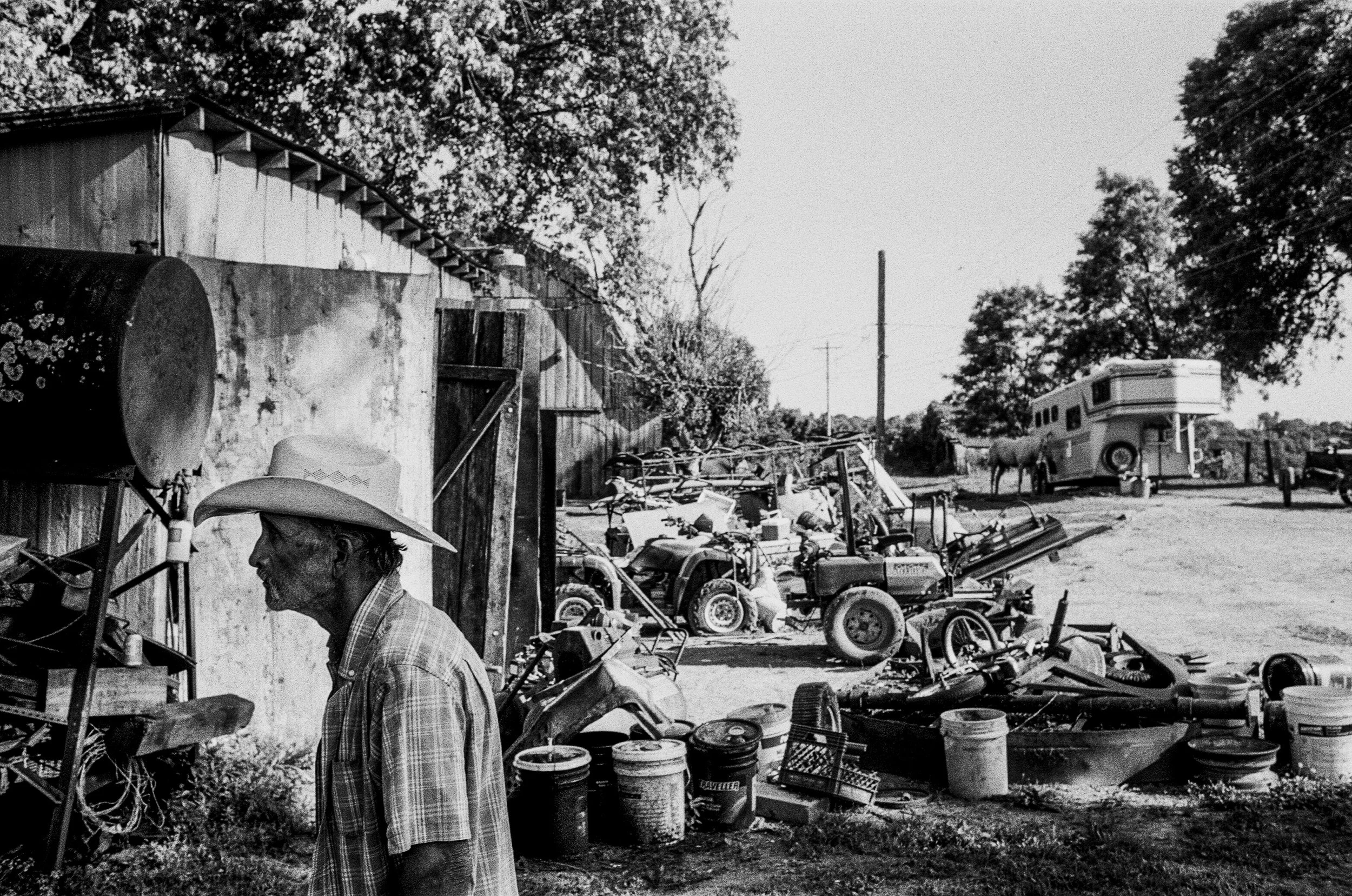
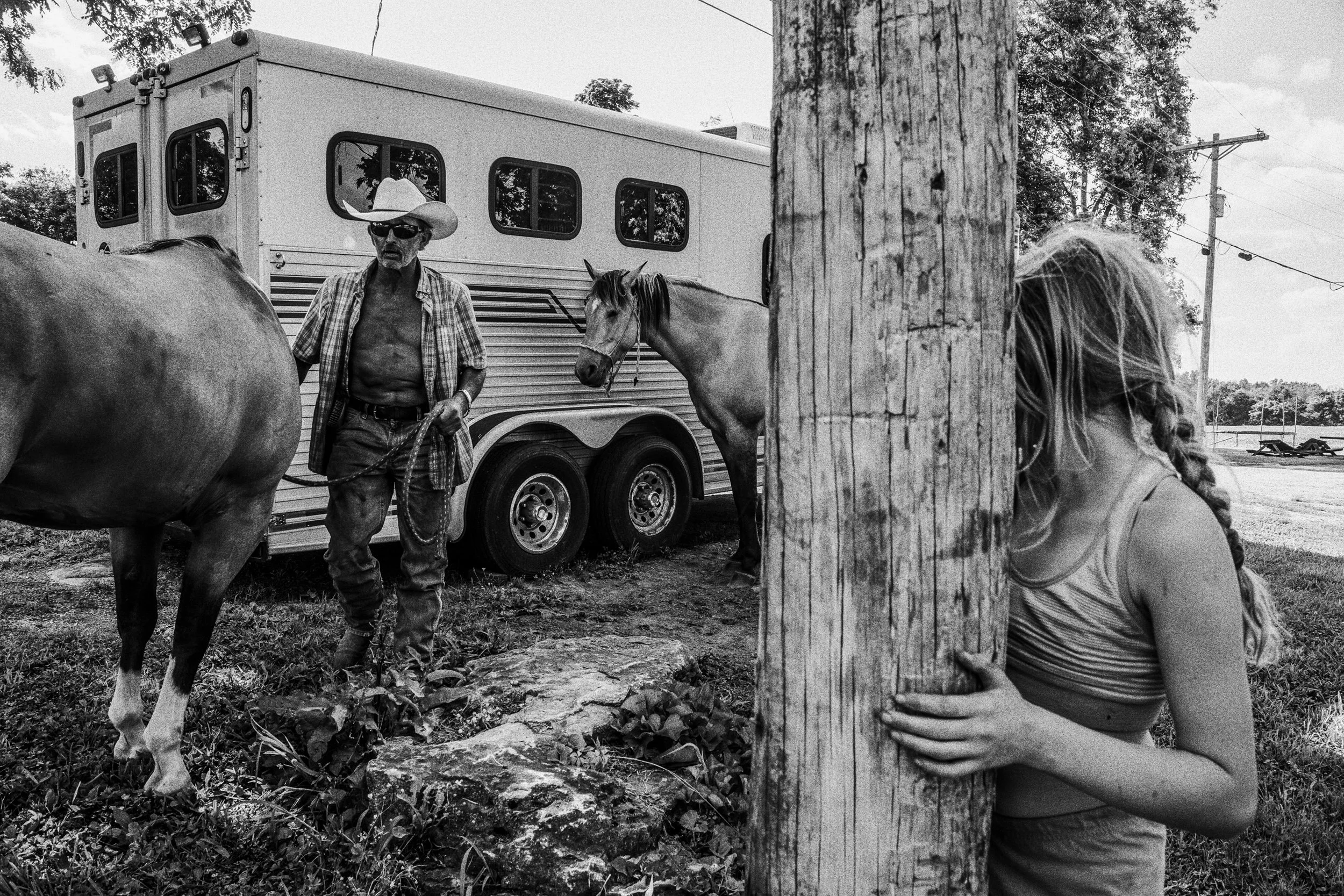
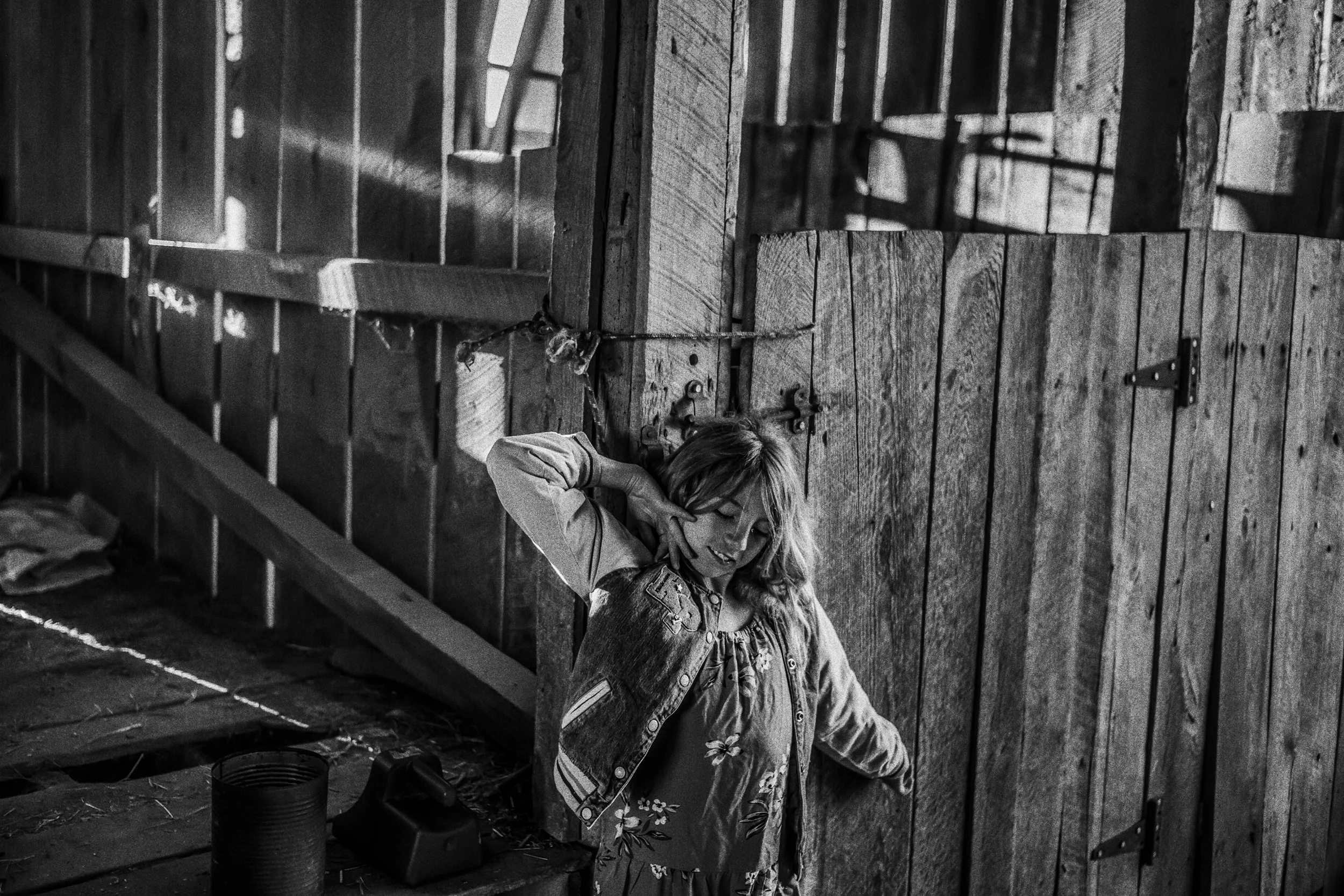
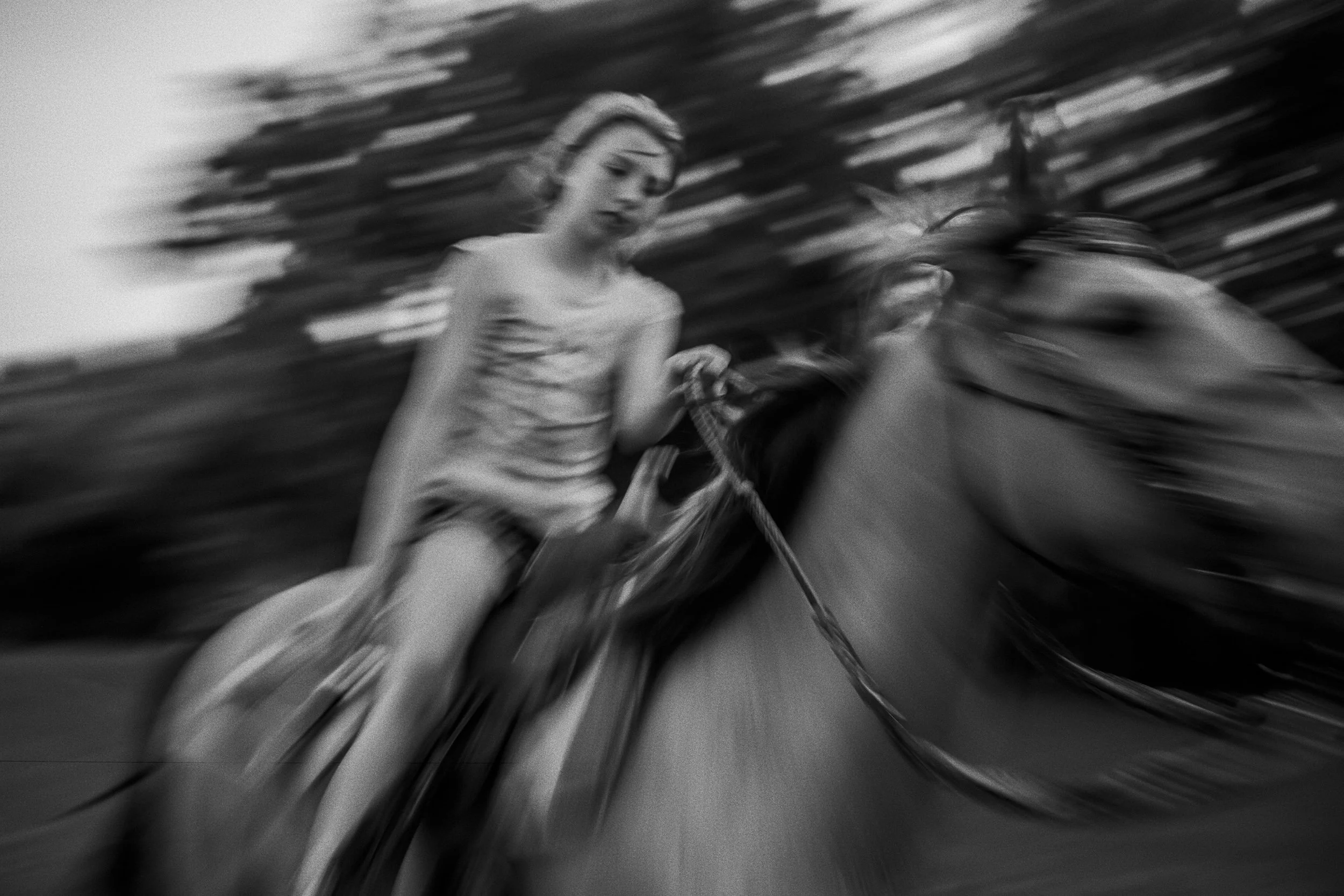
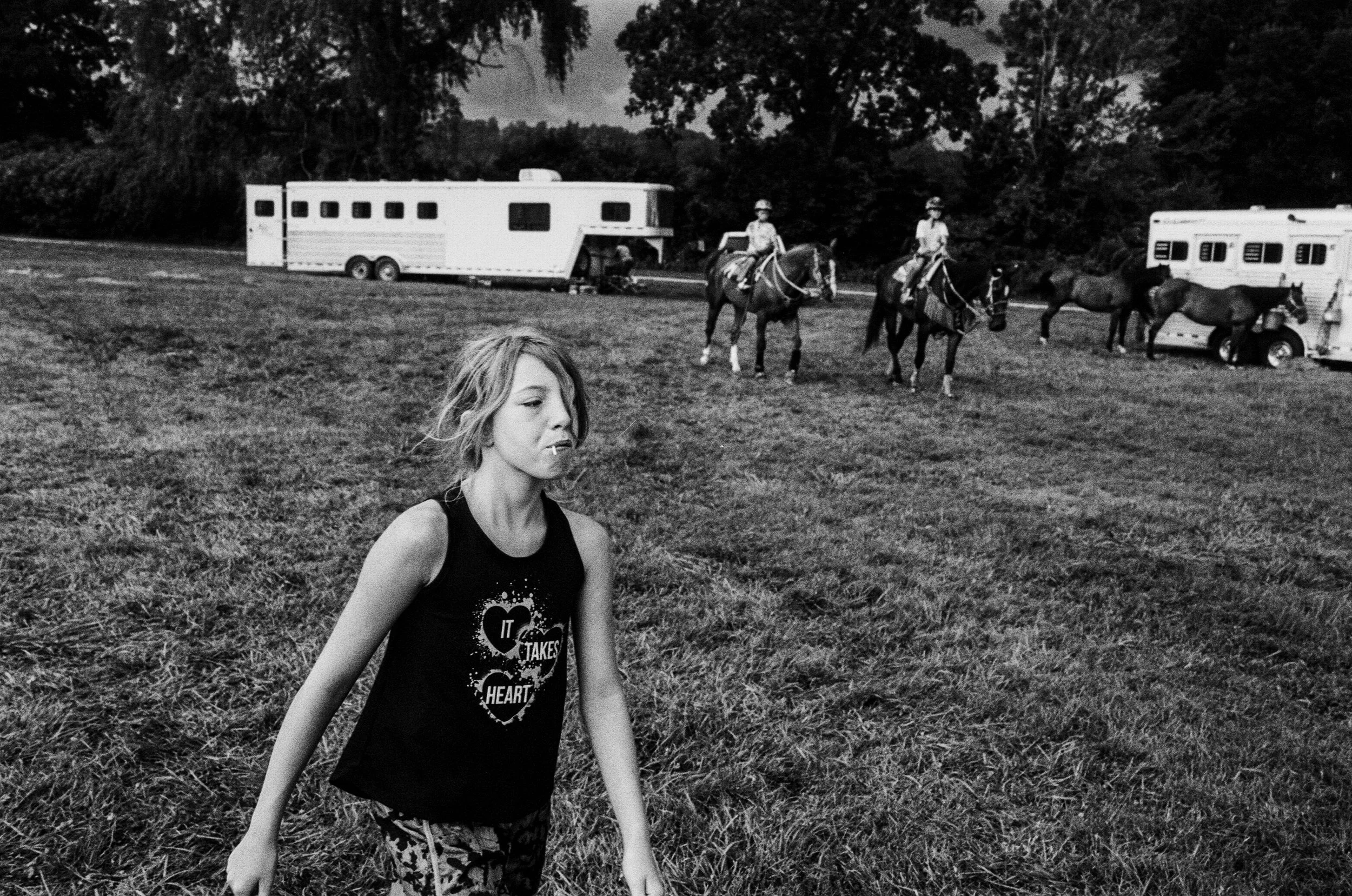
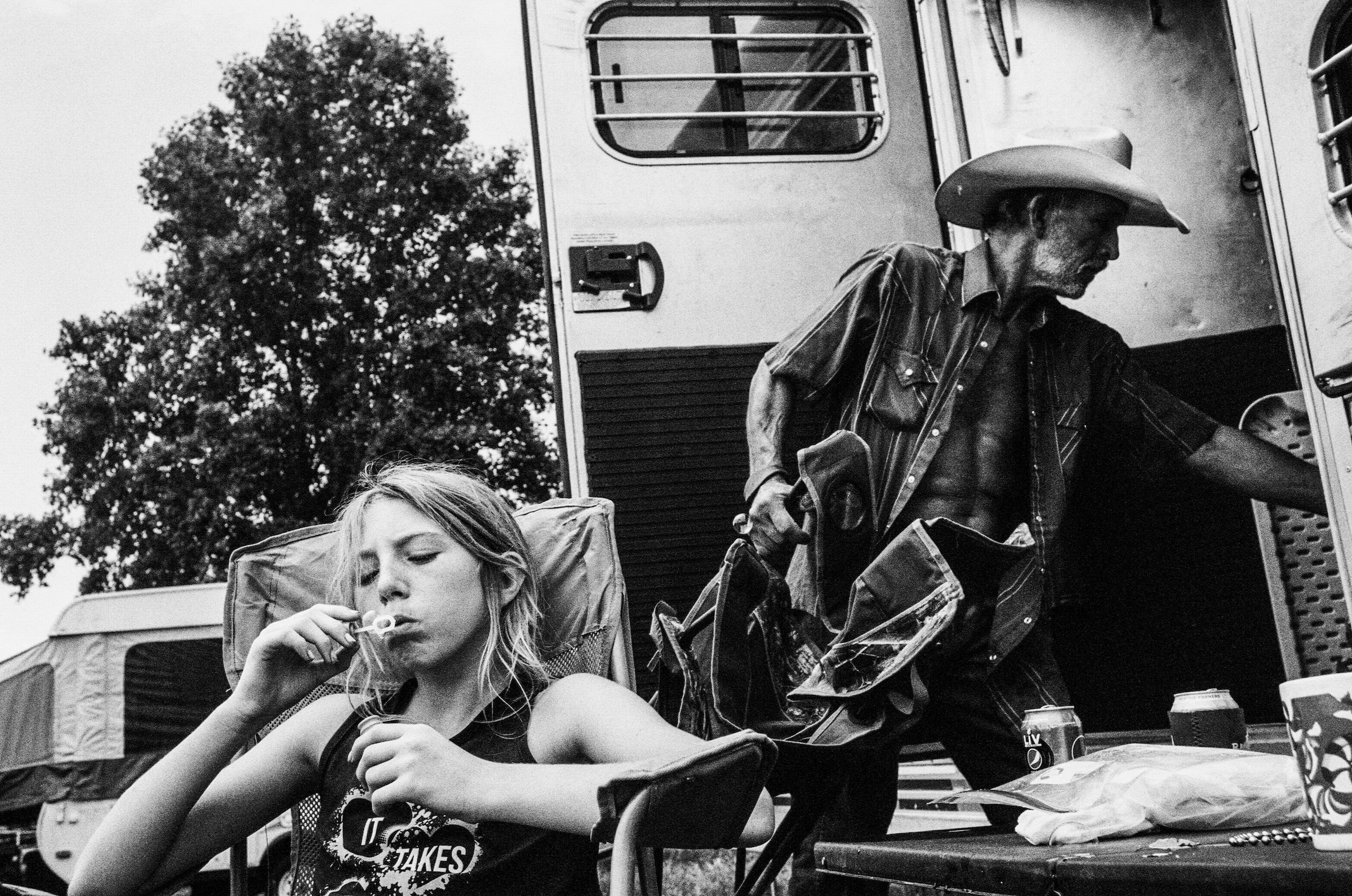
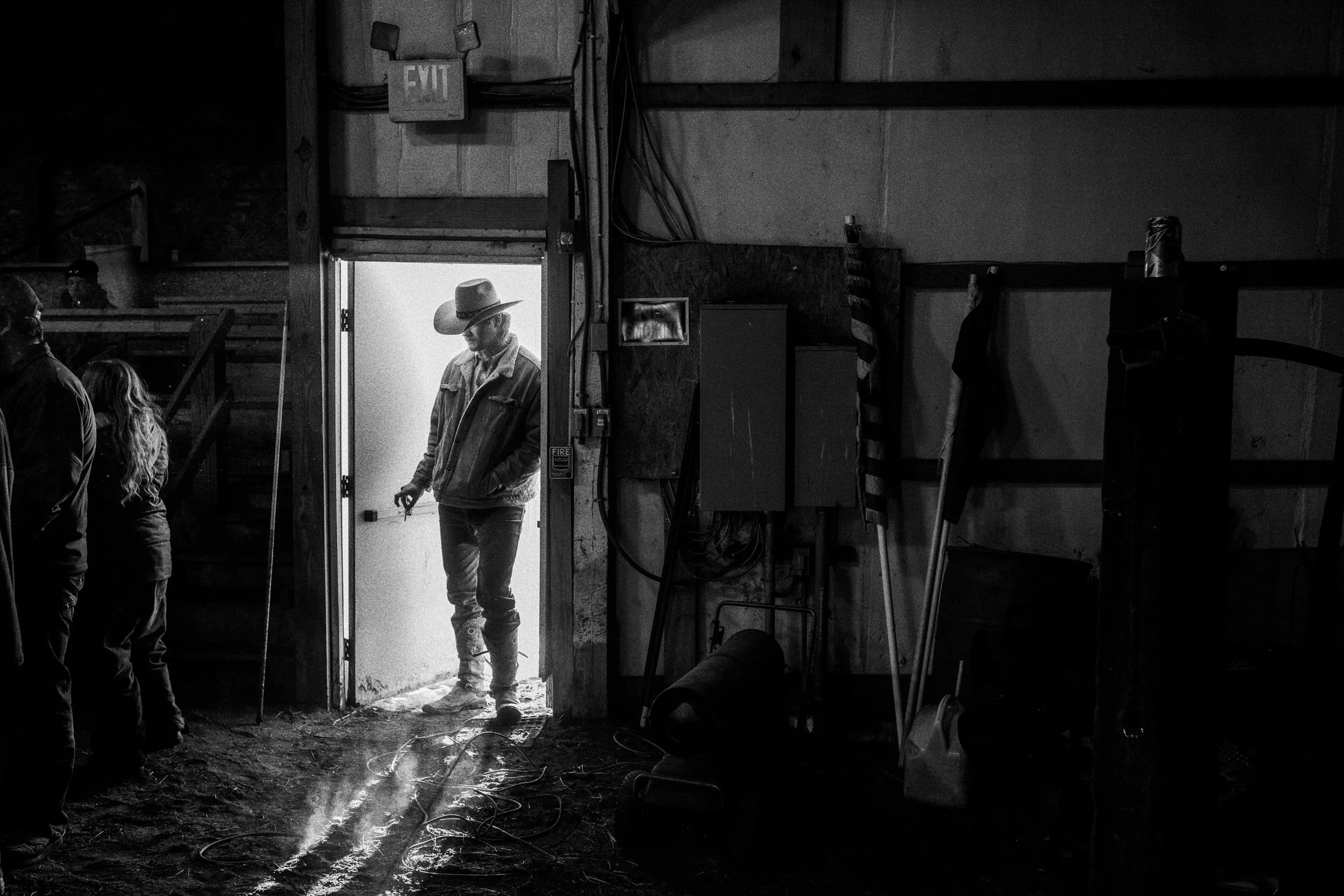
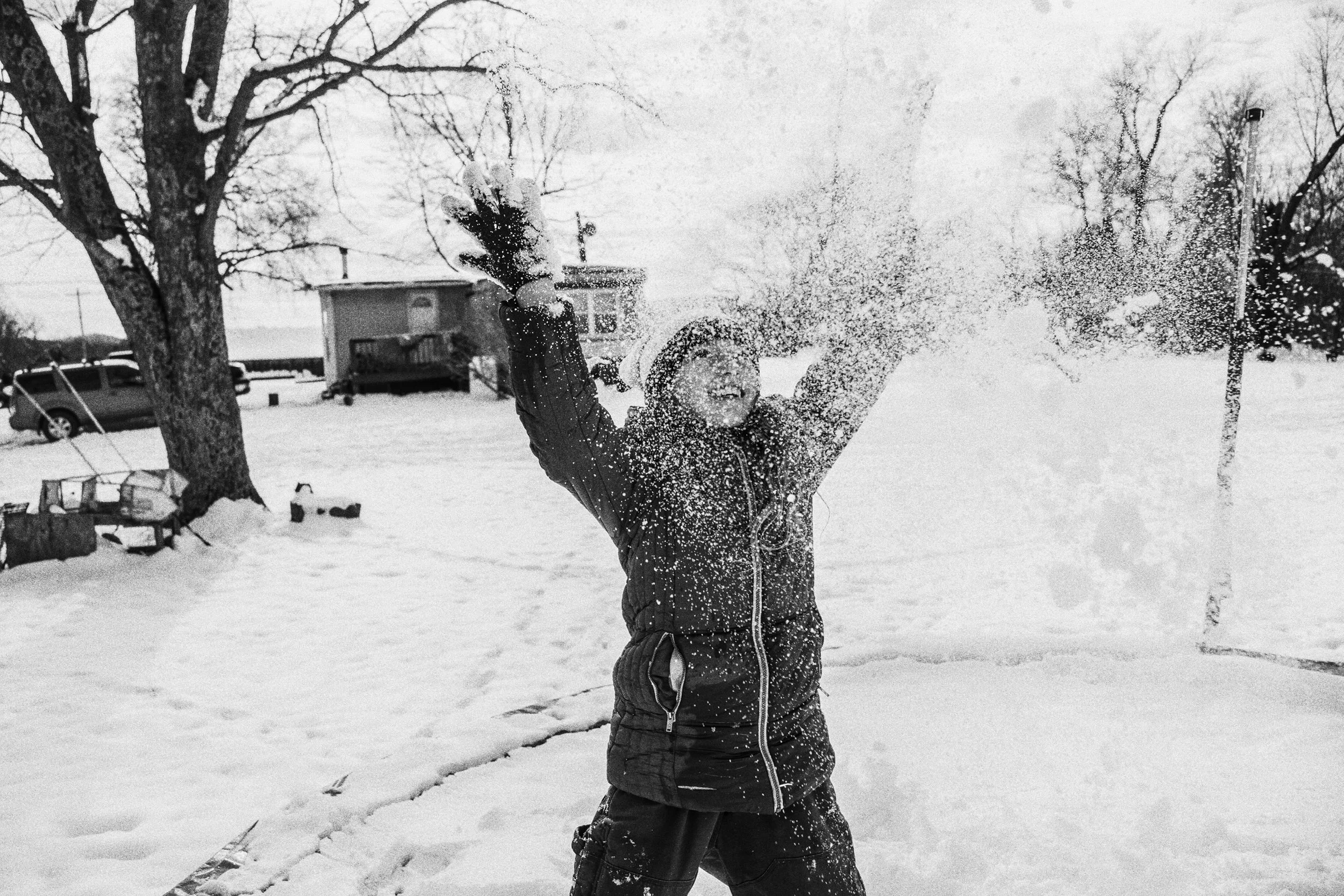
Beneath the gently rolling Loretto Hills of Kentucky, 11-year-old Zoey Allen rides bareback through fields of corn and soybean, while her grandfather, shirtless and leather-skinned, walks methodically through rows of freshly cut hay. “I’m as good as any farmer,” Jackie “Jackrabbit” Allen told me. And at 62, he looks the part. The 260 acres under his feet, tended by his father before him, are indeed the only world he’s ever known. His face and hands hold the unmistakable texture of someone intimate with hard work. Standing next to him, his granddaughter, Zoey, exudes the same grit.
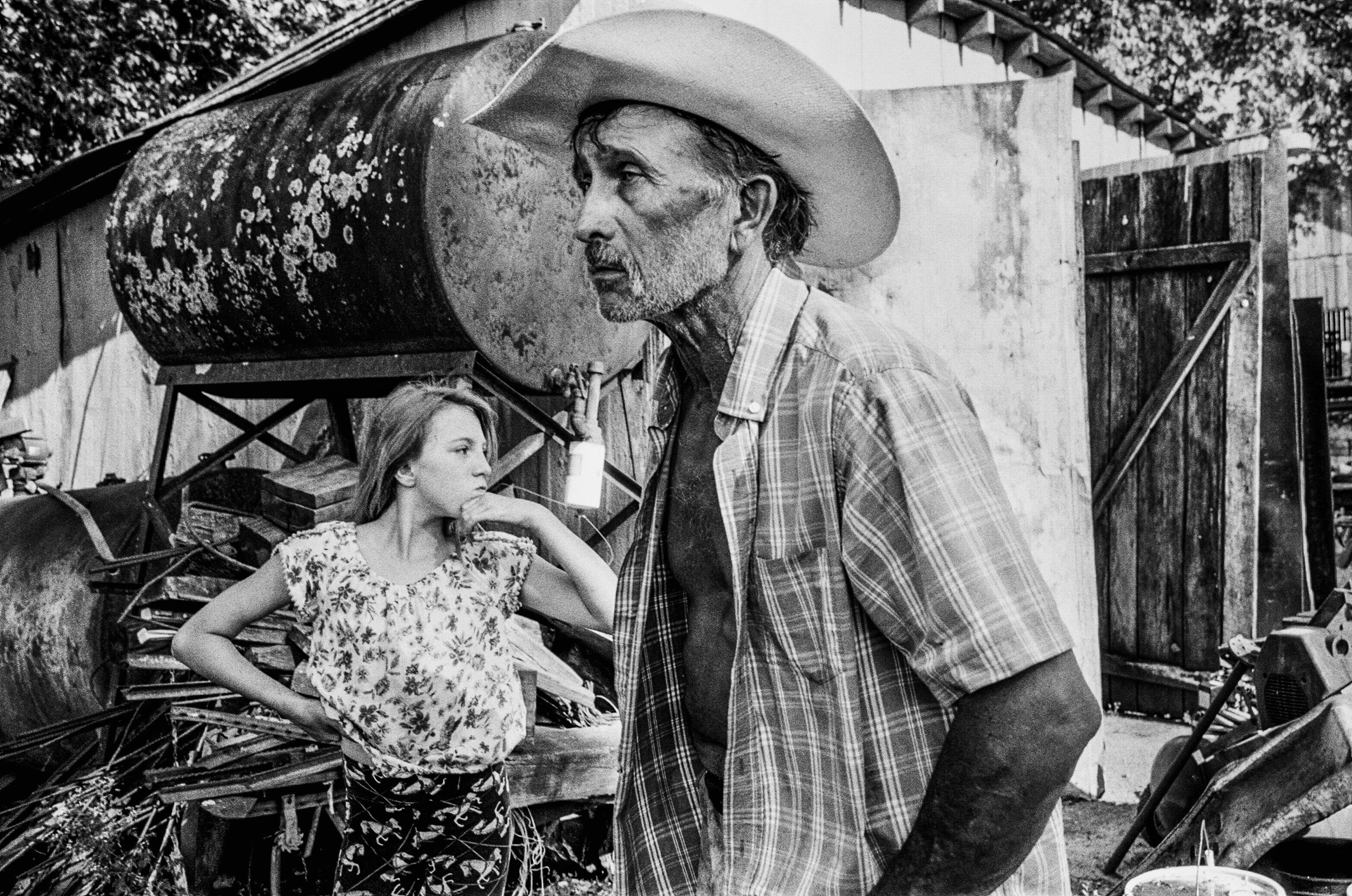
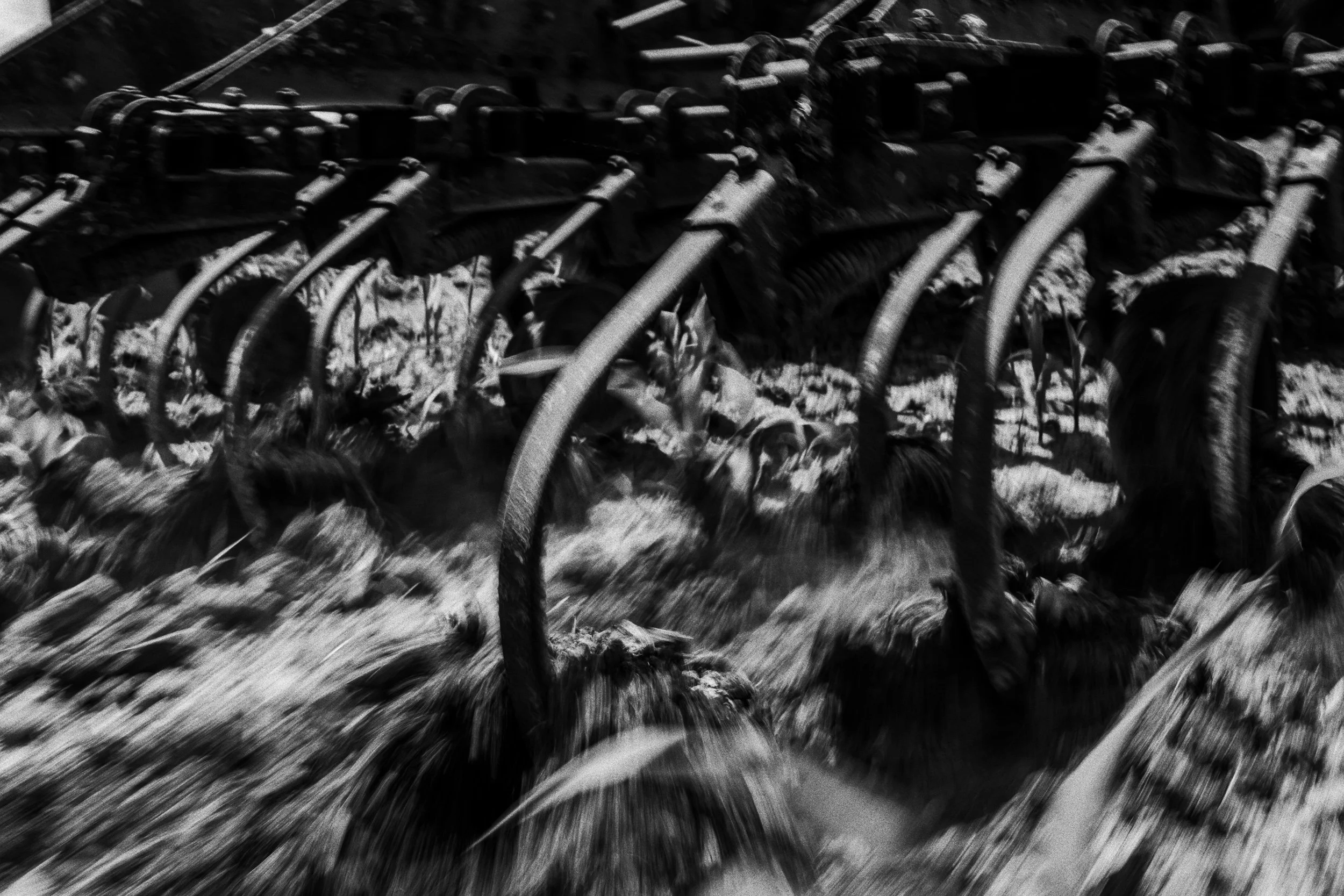
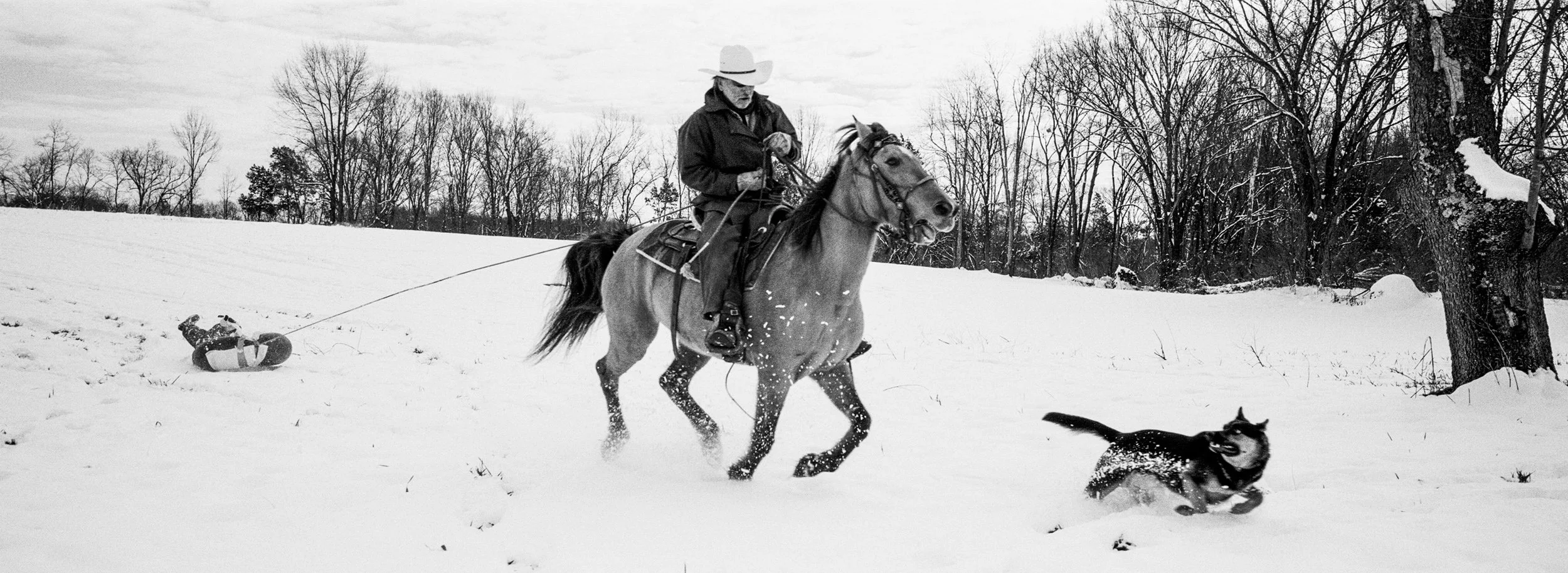
But as industrialized agriculture continues to grow, the Allen’s find themselves creatively diversifying just to stay afloat. From dairy farmer to logger, horse trainer to professional fisherman, Jackie Allen’s role has evolved over the years to meet his family’s needs. “I wanna keep the farm,” he said. “And I do my best to keep it. But you gotta take from this part of your business to pay for that part of your business, just to keep it going. So that’s what I’m doing. And I’ll do it as long as I’m able to do it.”
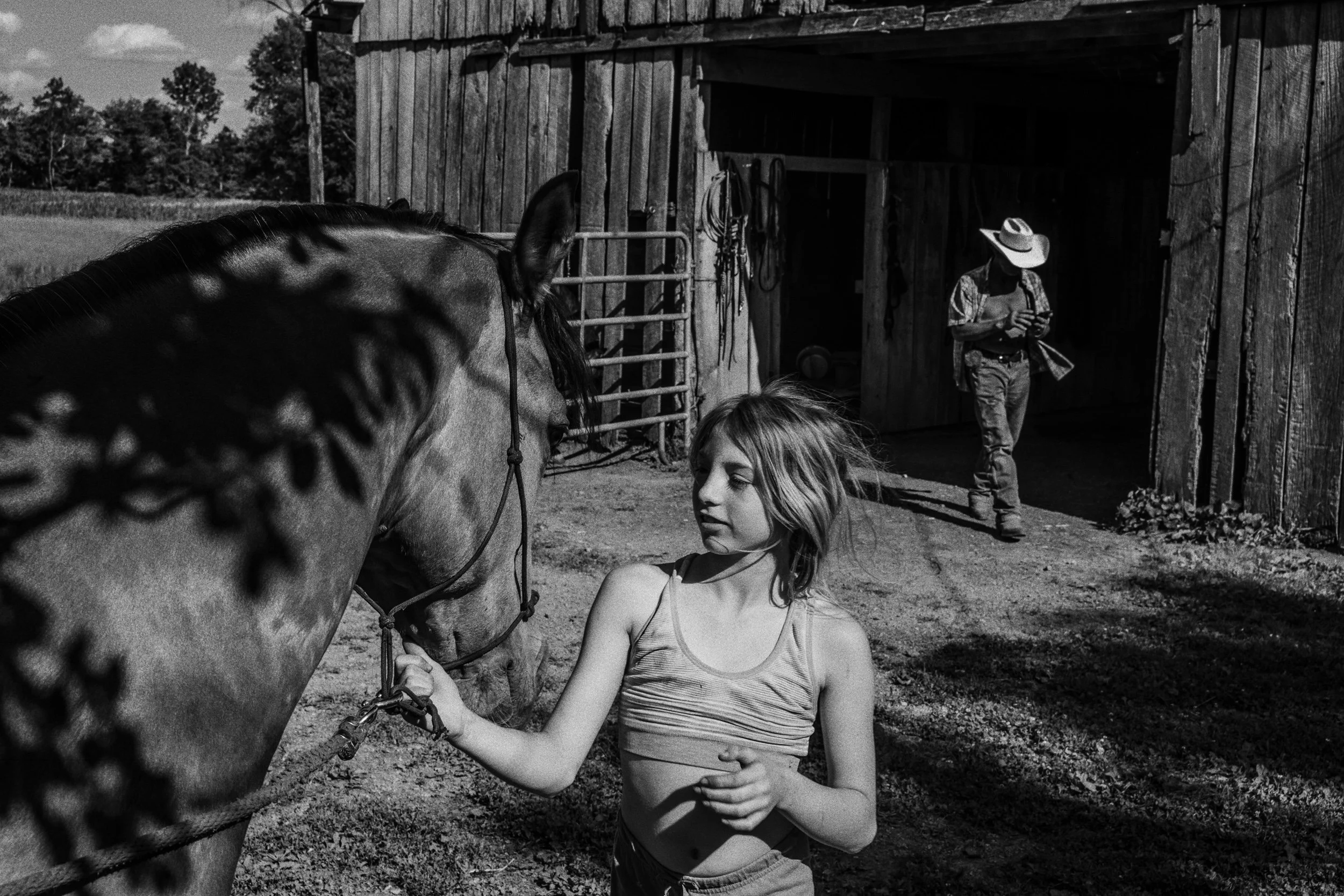
For Zoey, re-imagining her relationship to the land means embracing her “natural gift” and helping her grandfather train horses for Kentucky’s agricultural elite. Together, their work helps offset declining farm revenue.
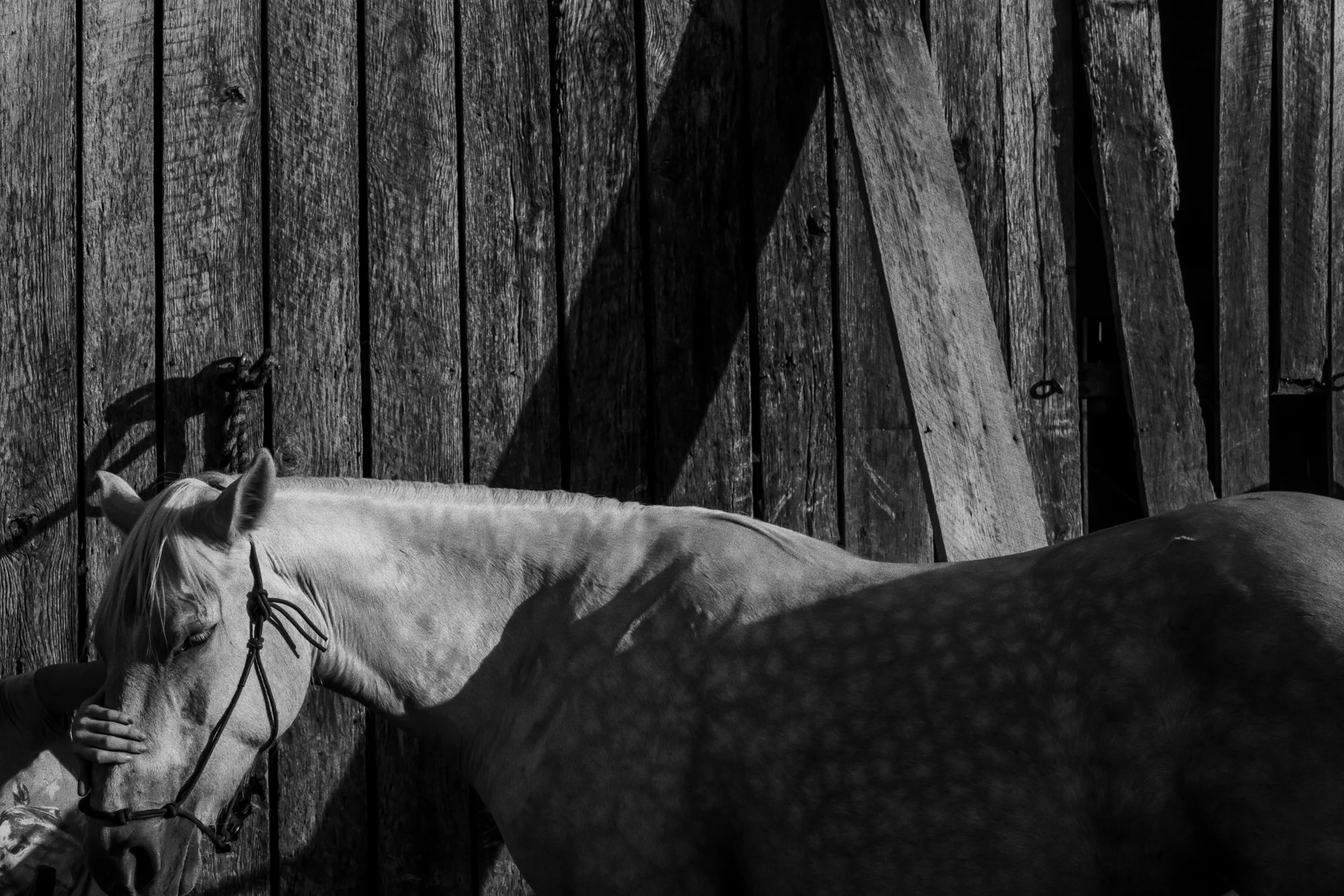
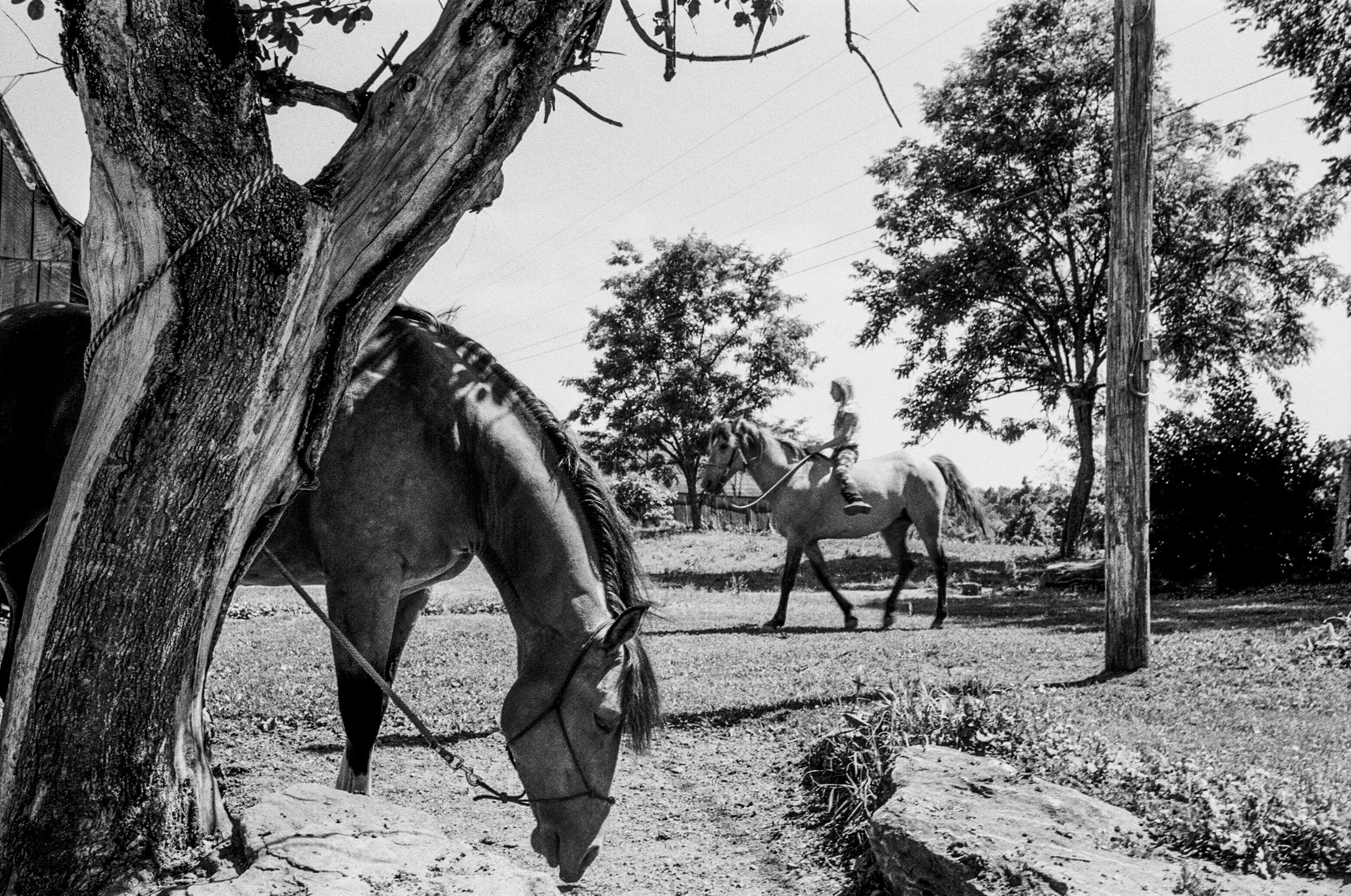
“When I'm on a horse, it’s like everything just goes away,” Zoey said. “I just look between those two ears, and all my problems are away from me. It feels amazing.”
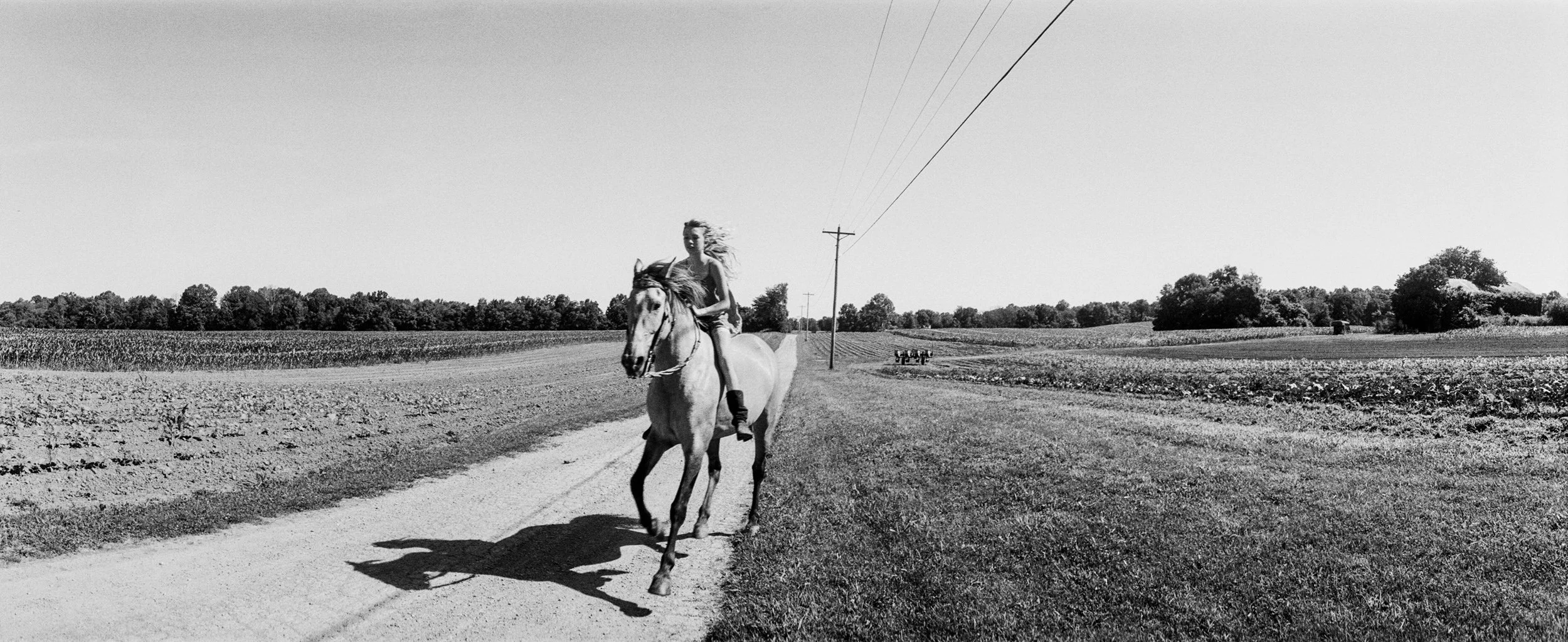
“I'm not good with people, but with horses I have a connection. They don’t talk. They don't judge. I've been barrel racing for eight years now, and I've won two buckles, a saddle, ribbons and a bunch of money. I'm proud of my horses.”
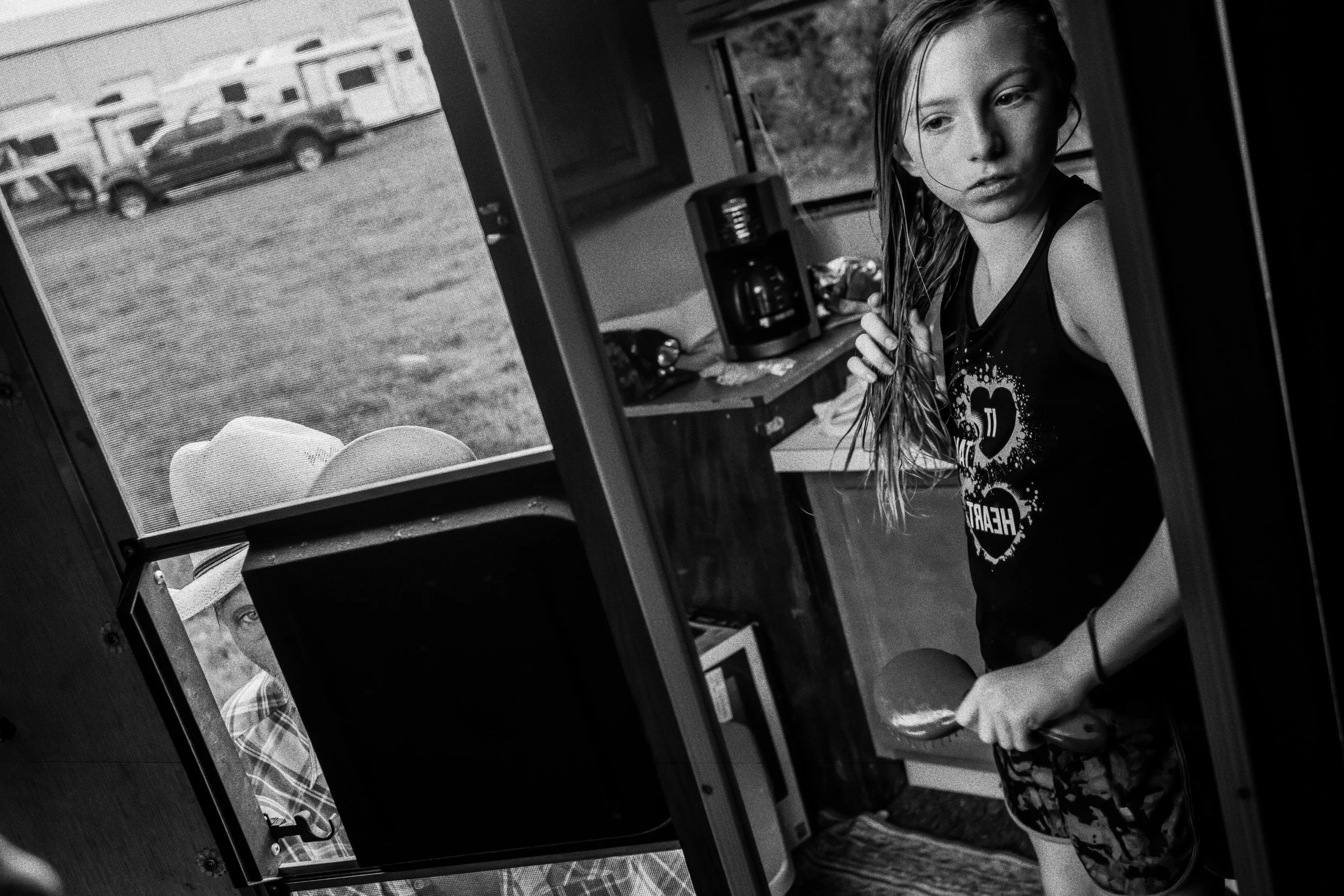
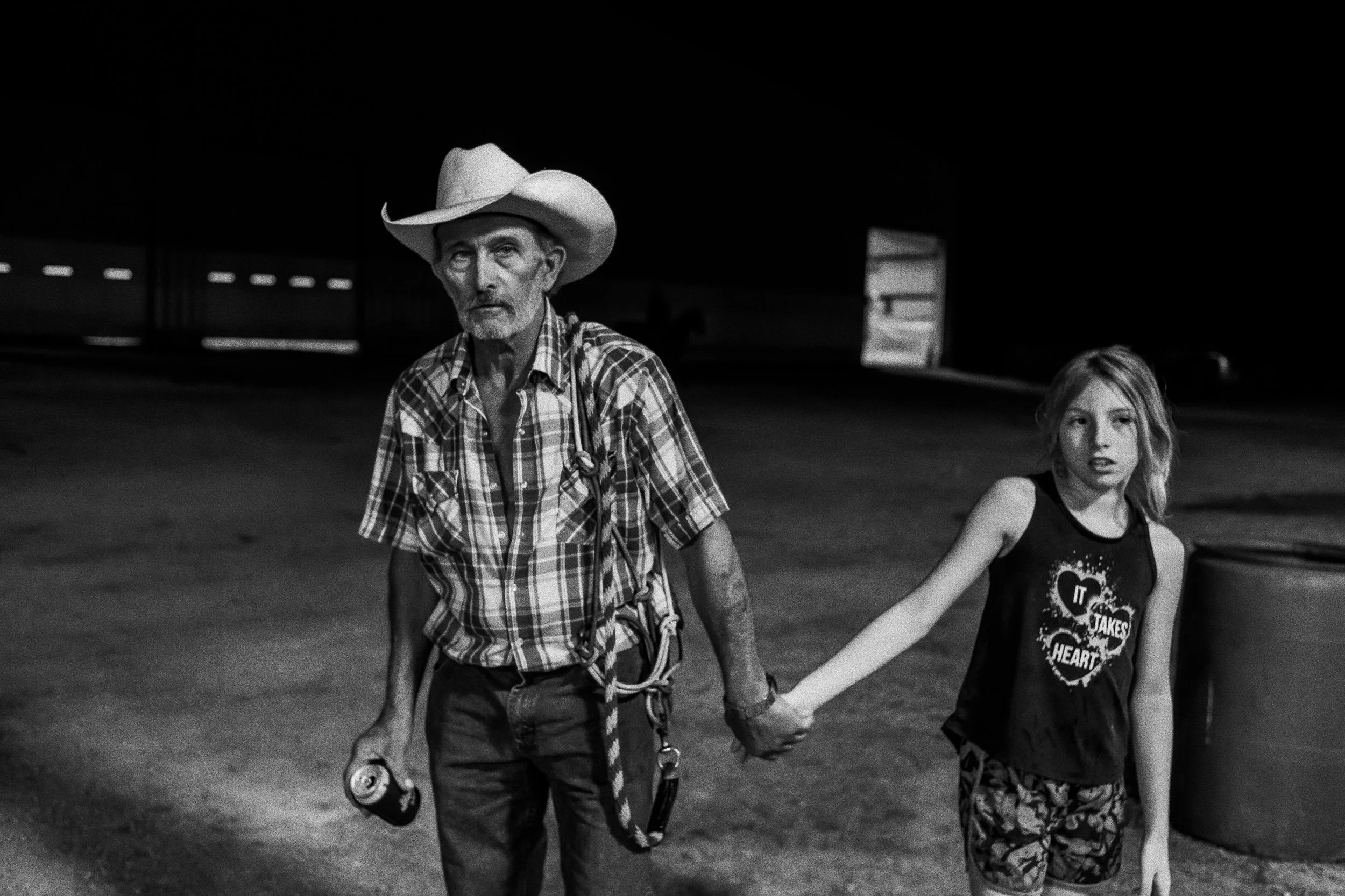
Together, the Allens represent the best that American farms have to offer. As a summation of generational knowledge and skill, they embody the Rockwellian vision of human flourishing that many Americans idealize – where the protagonists are white, rural and self-made. But as the United States celebrates its 250th anniversary, this storybook identity is becoming harder to reconcile with the lived experience of most rural Americans, especially farmers and ranchers. As recent Census of Agriculture data indicate, rural communities and the farmers that sustain them are feeling more isolated than ever.
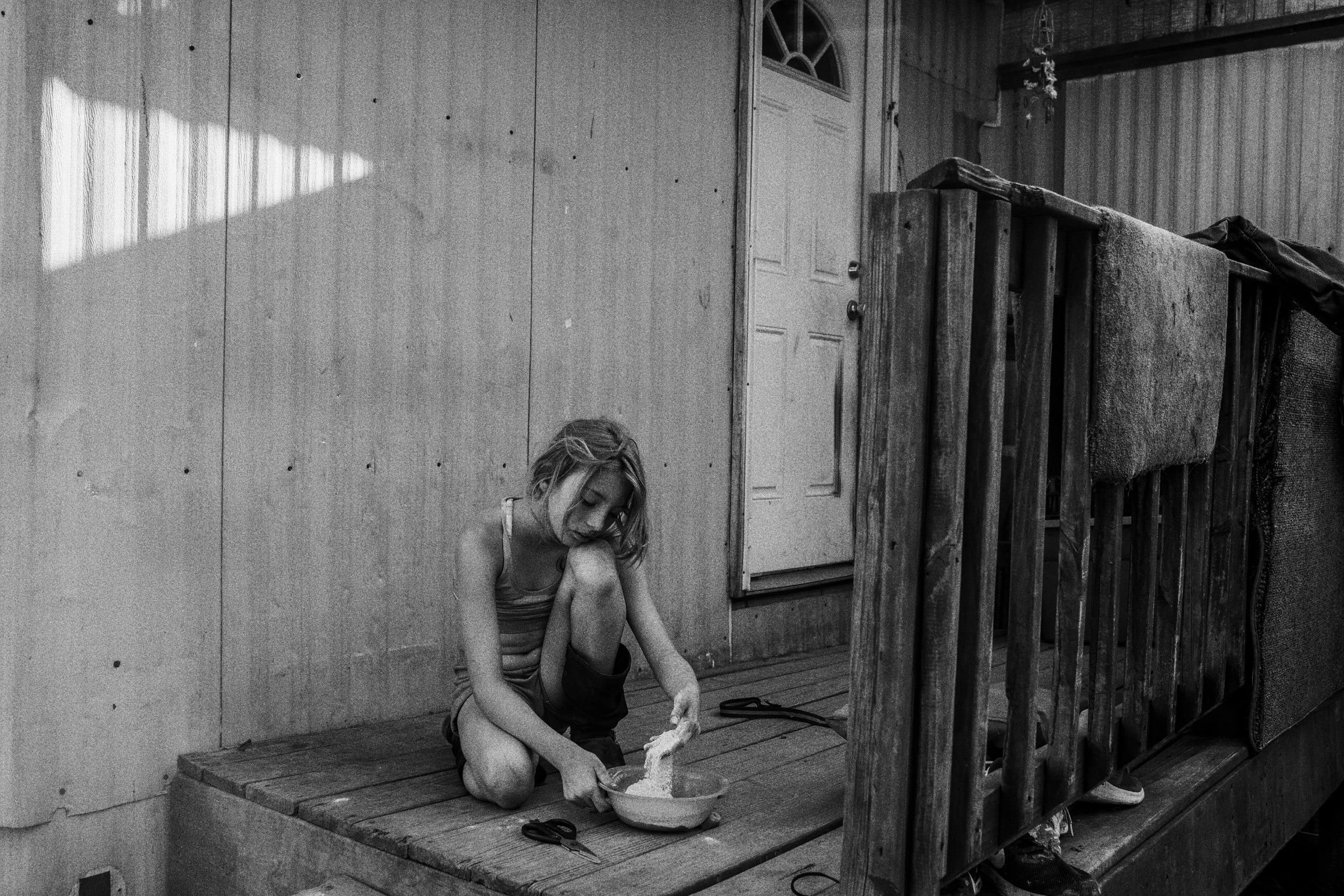
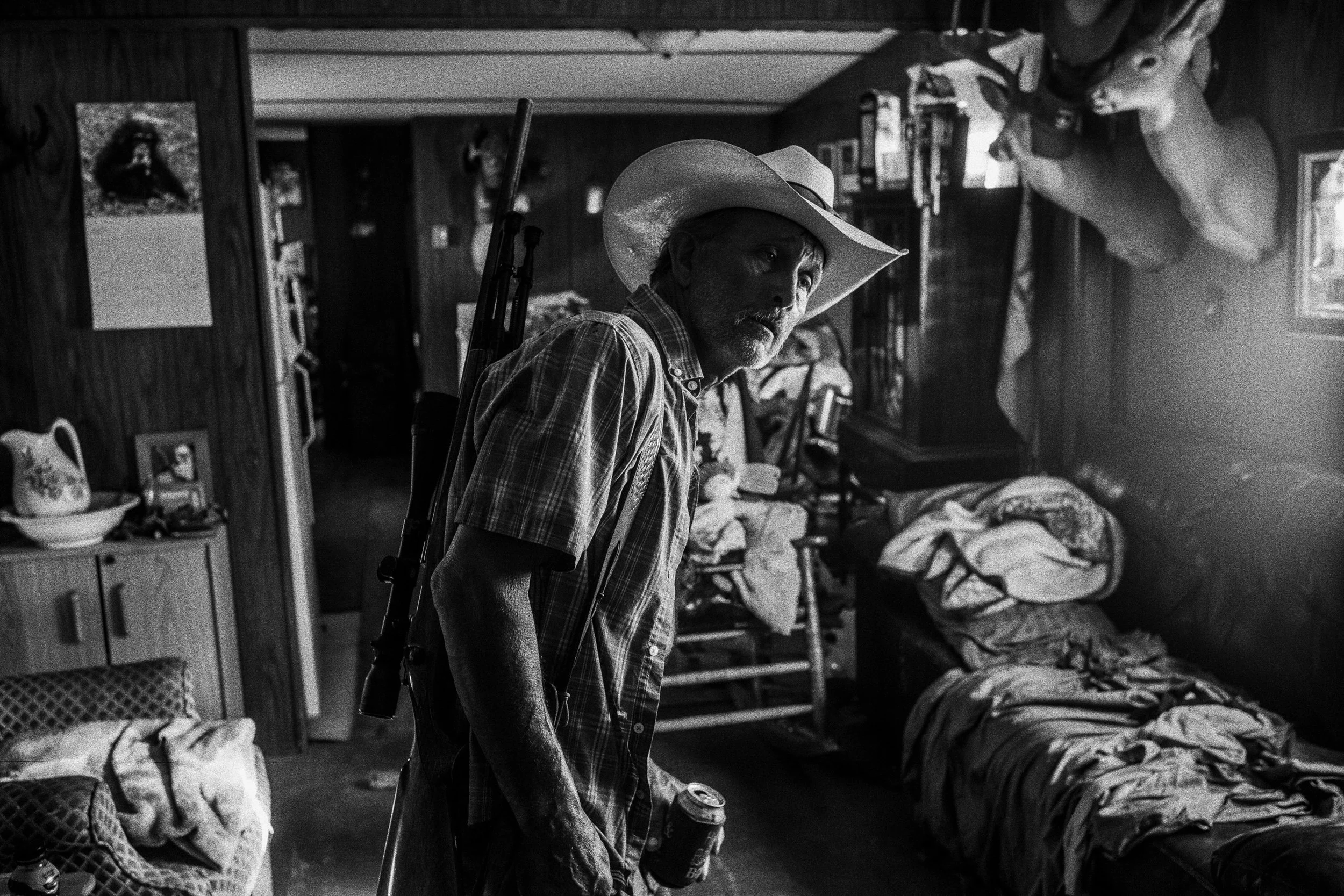
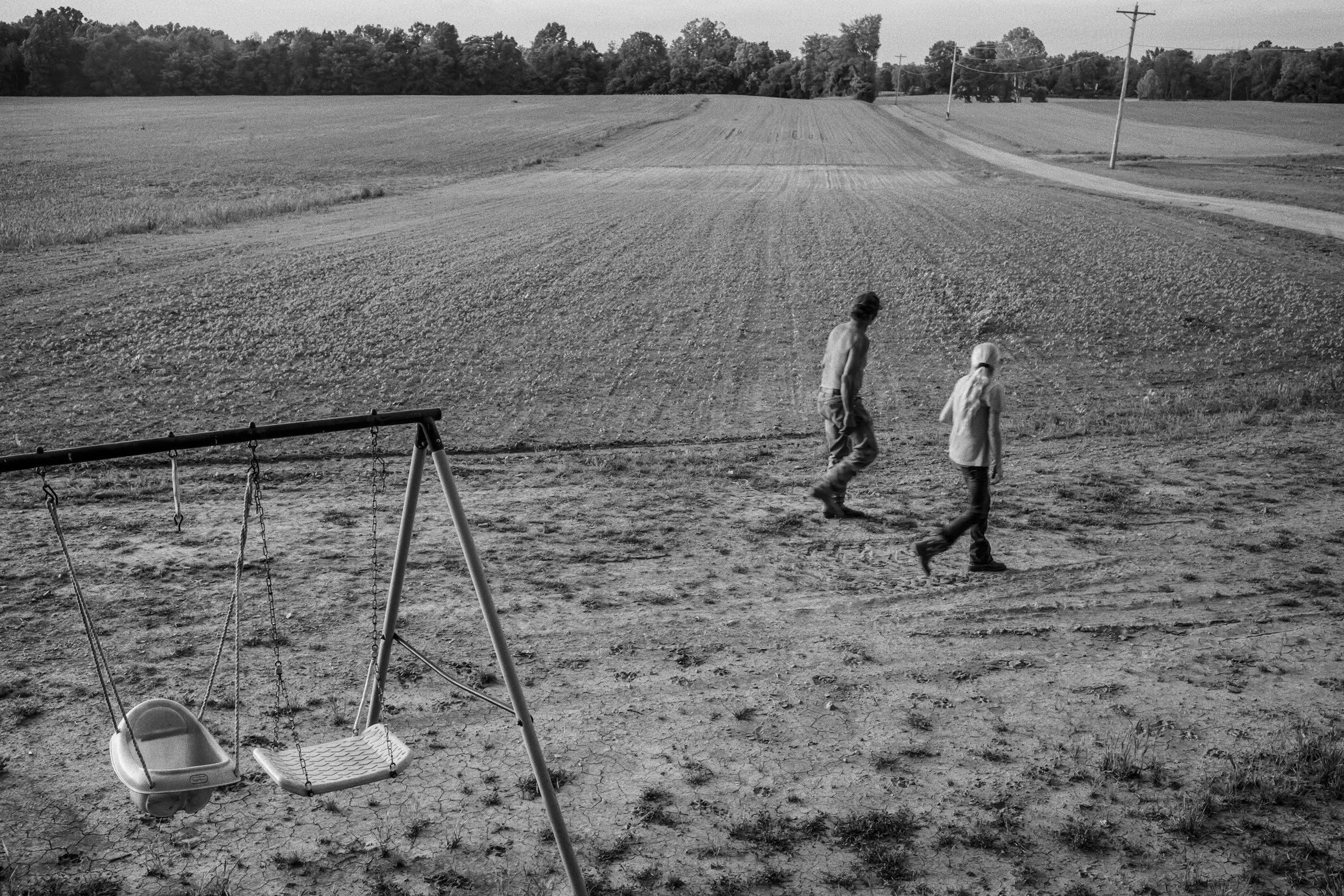
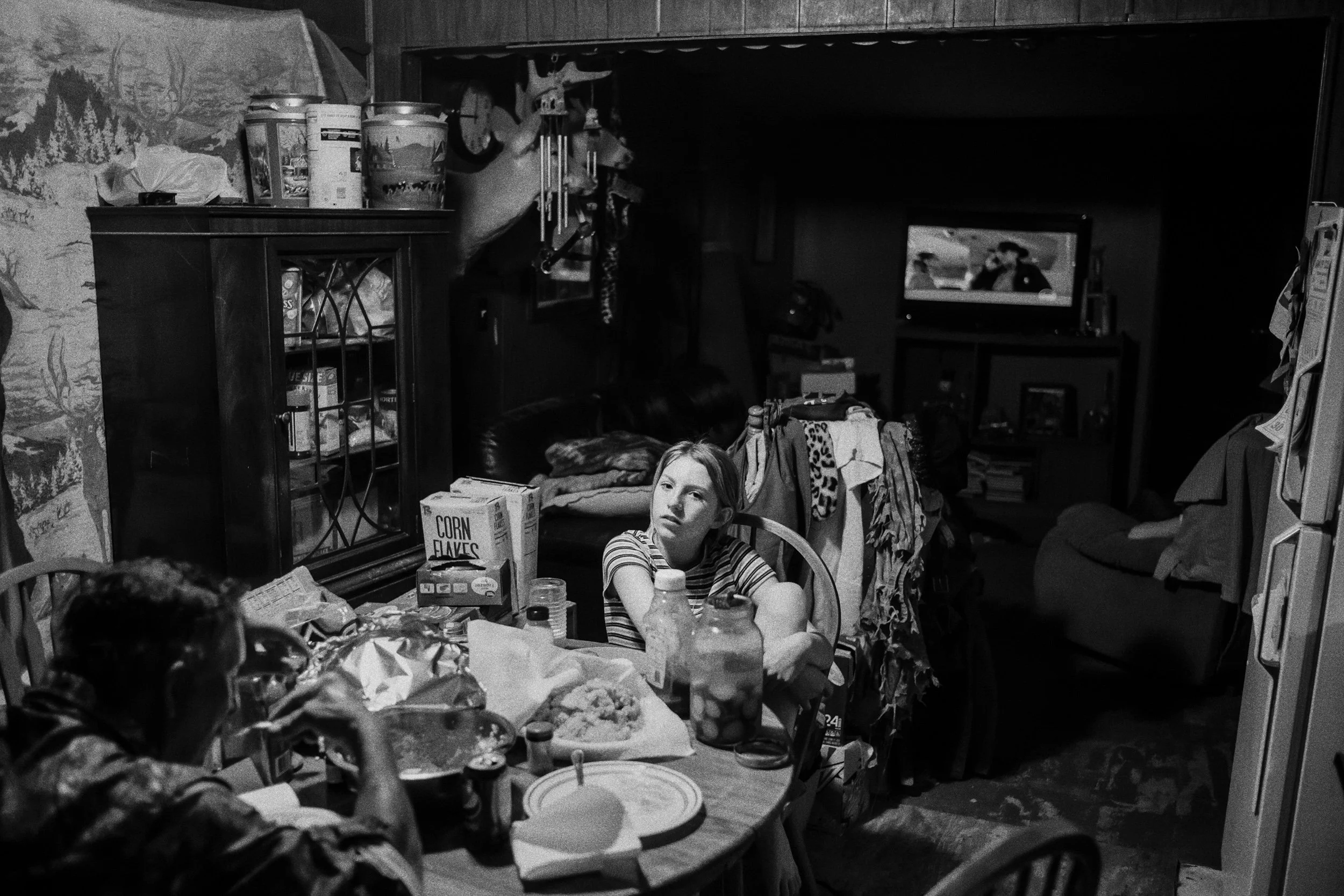
In The Last Generation, what began as a romantic portrayal of one family’s agricultural legacy now offers a timely portrait of America’s rural identity crisis, patiently focusing on the human cost of a nation’s changing agricultural narrative.
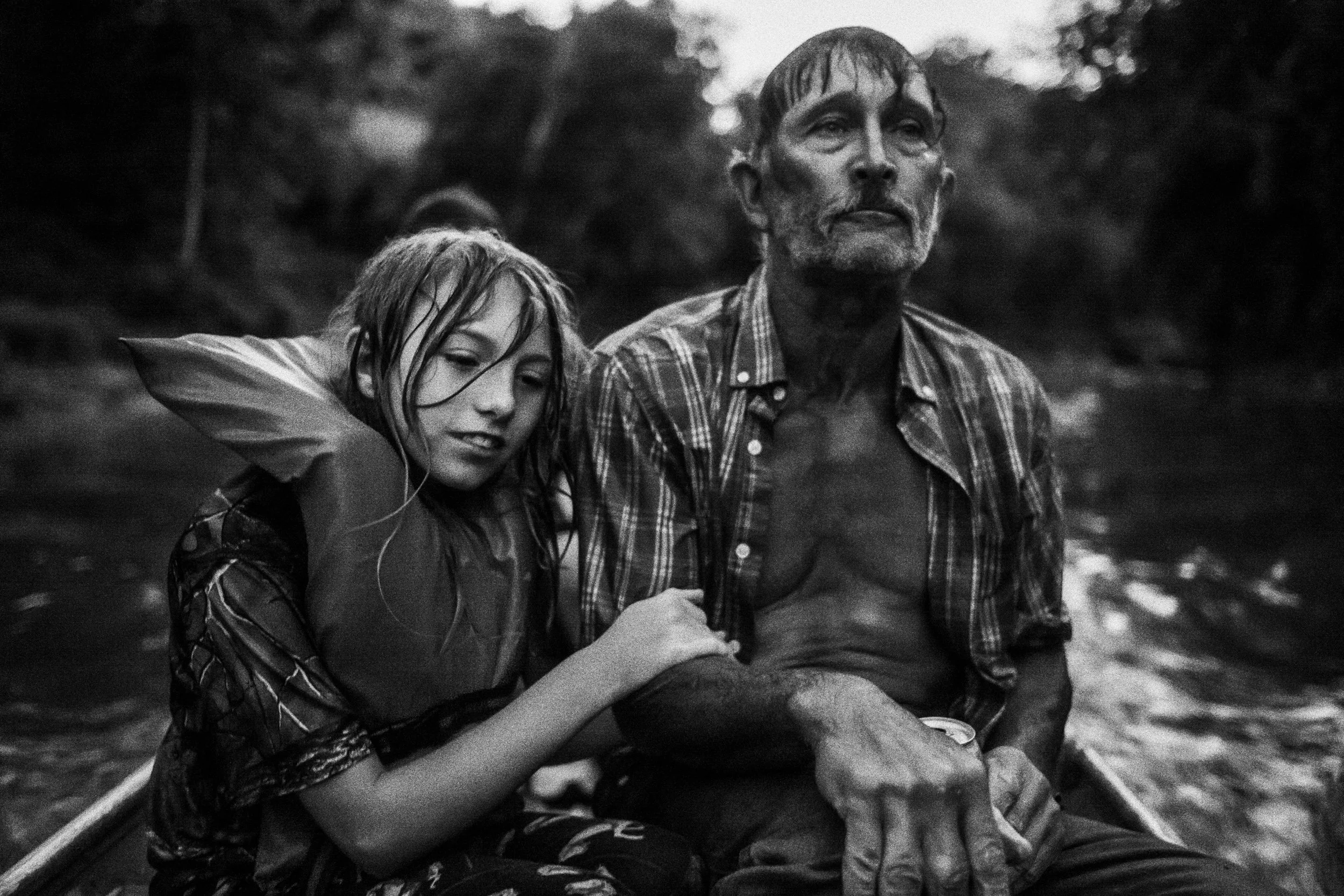
By elevating the points of view of young people and their elders, the work illustrates the vital role traditional midsize farms and ranches have played in the preservation of culture over time, and asks ‘what is lost?’ when the forces shaping modern agriculture continue unabated.
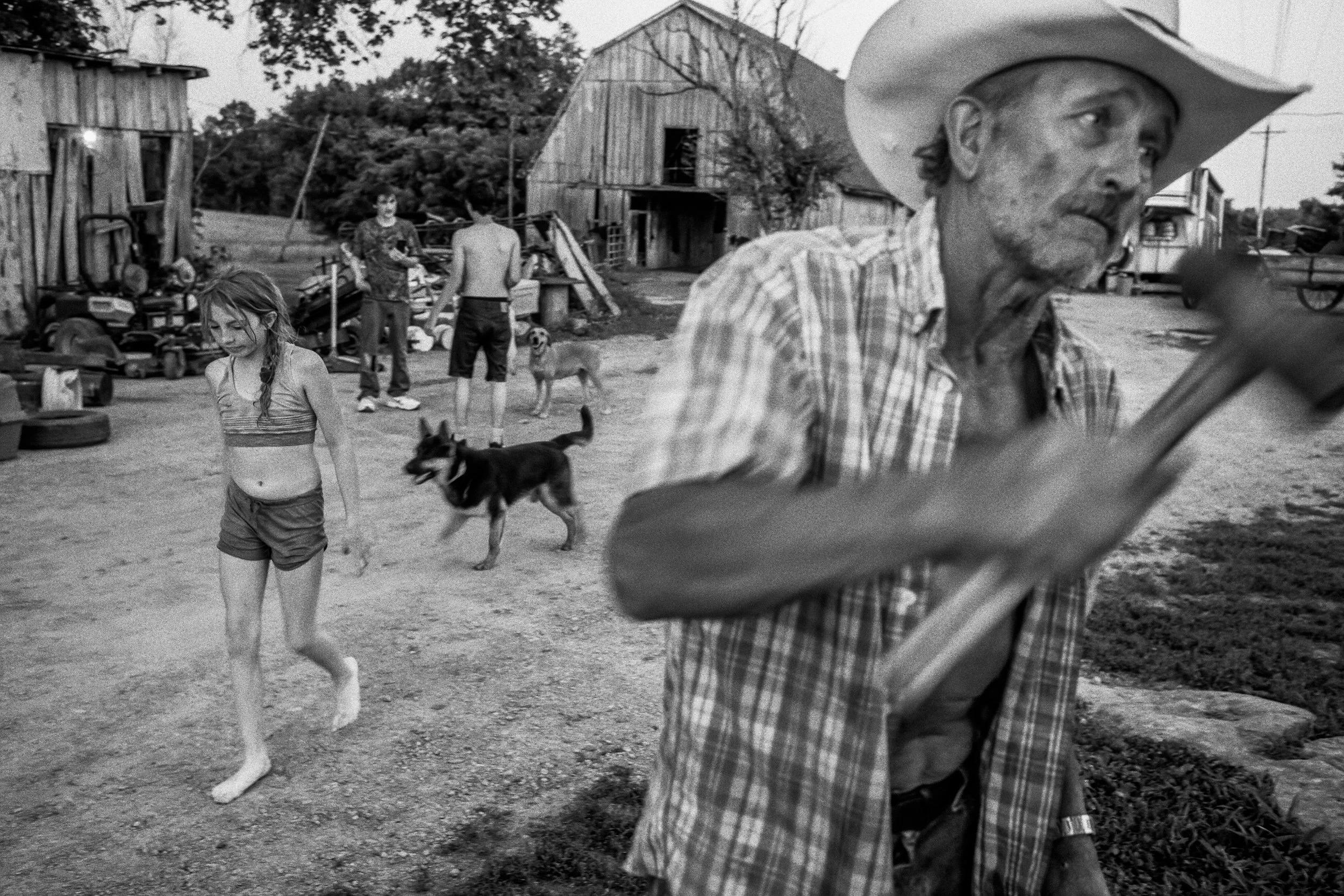
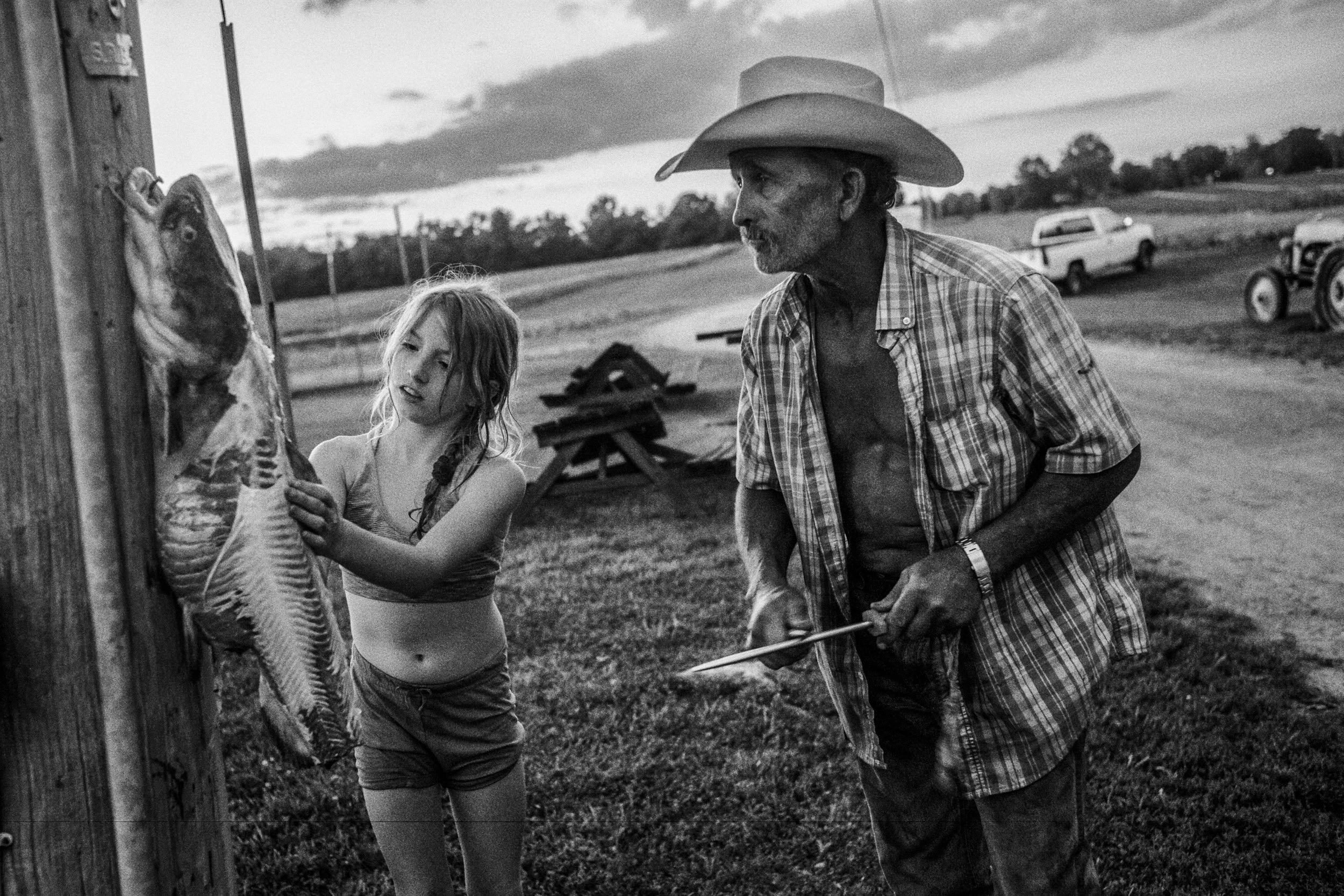
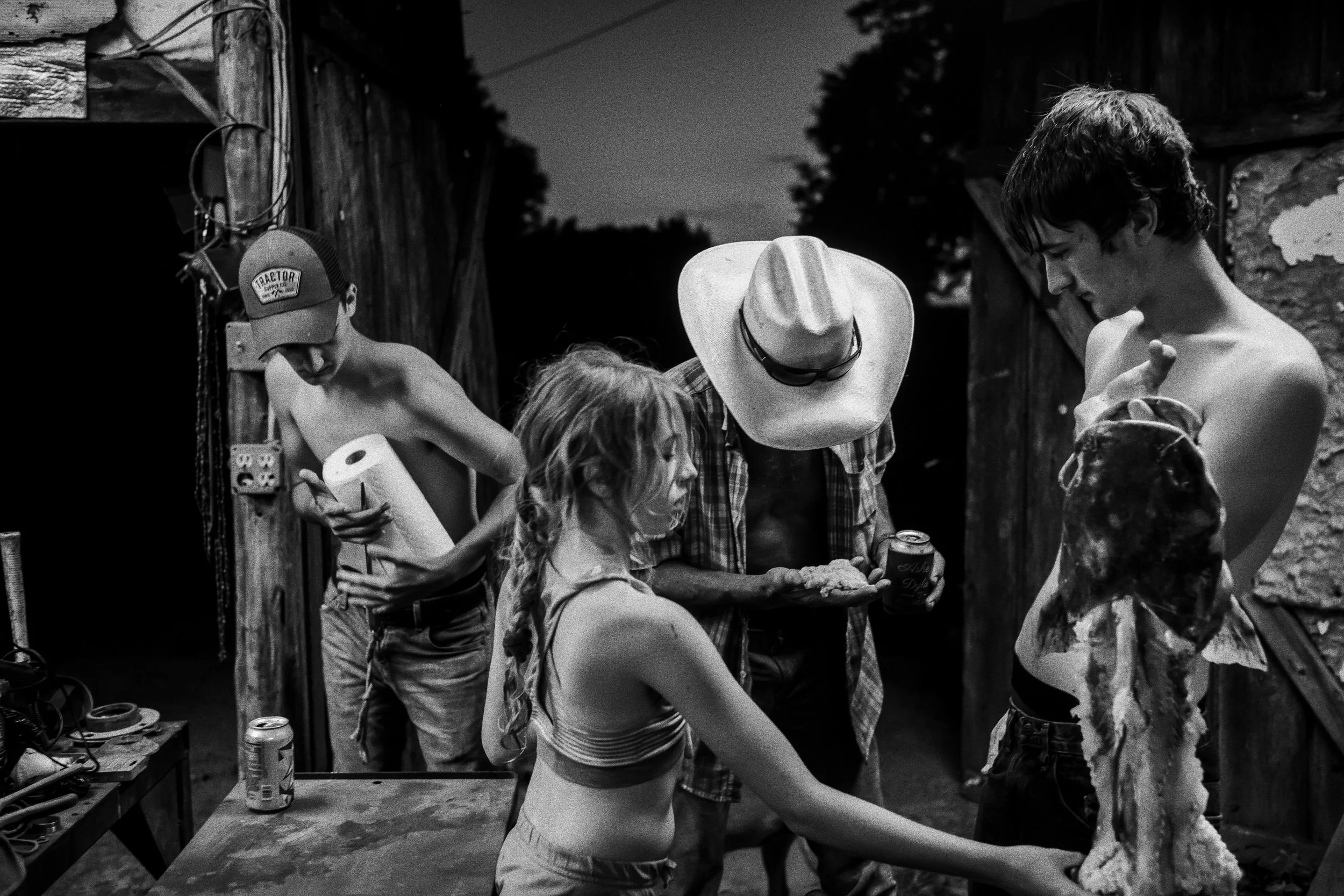
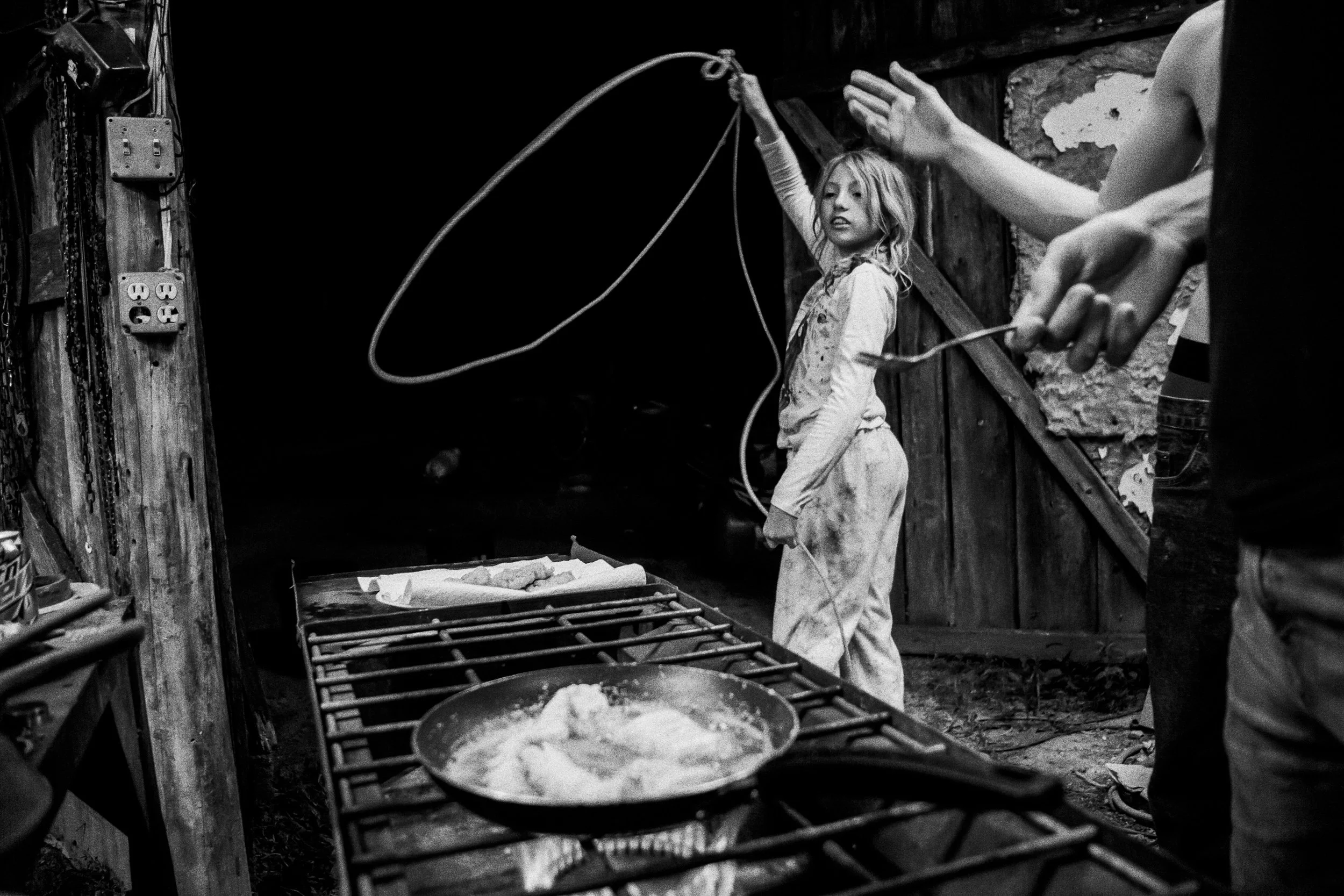
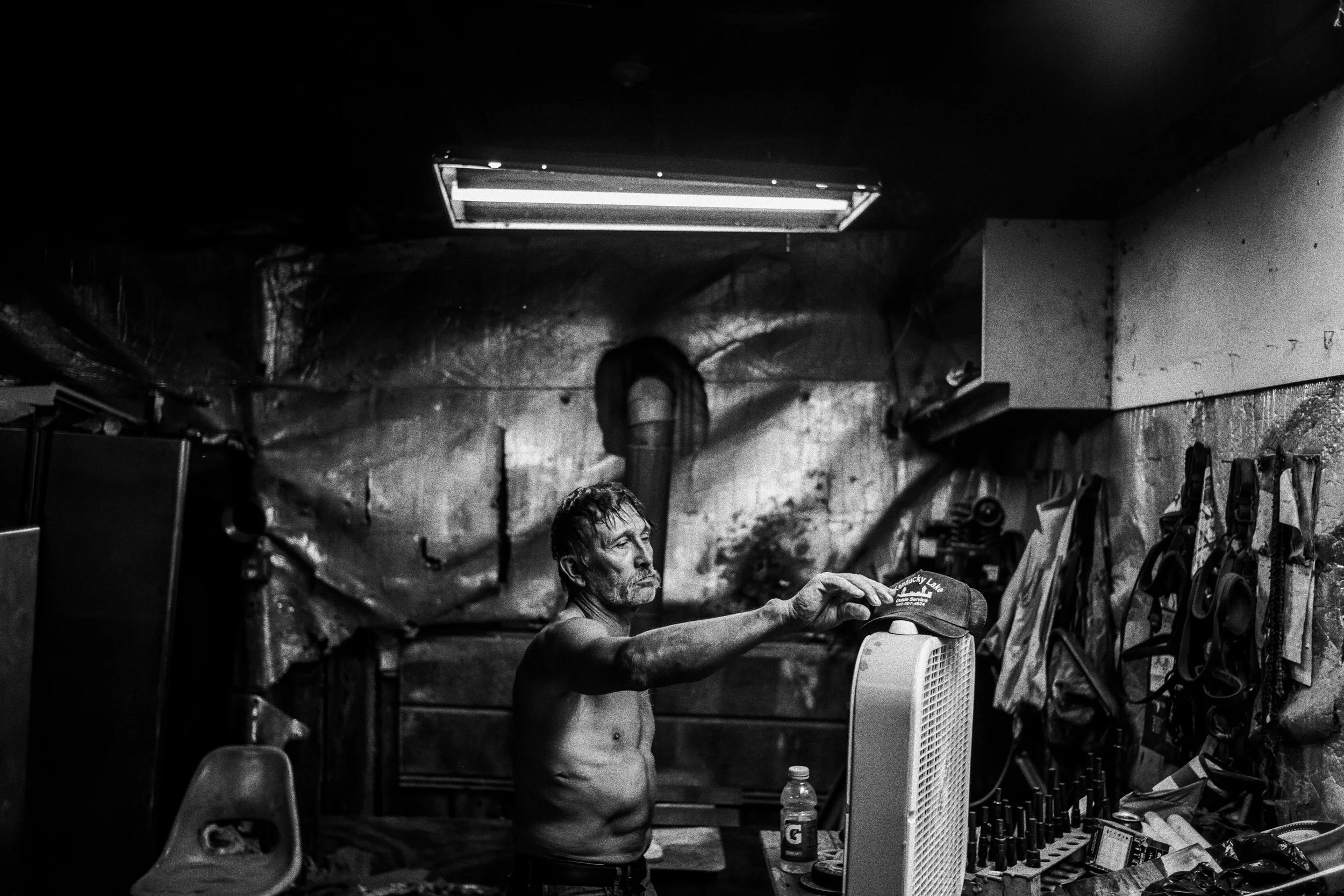
It’s also a coming-of-age story for America’s would-be farmers, chronicling their quest for identity as they choose to adaptor abandon a generational legacy around agriculture.
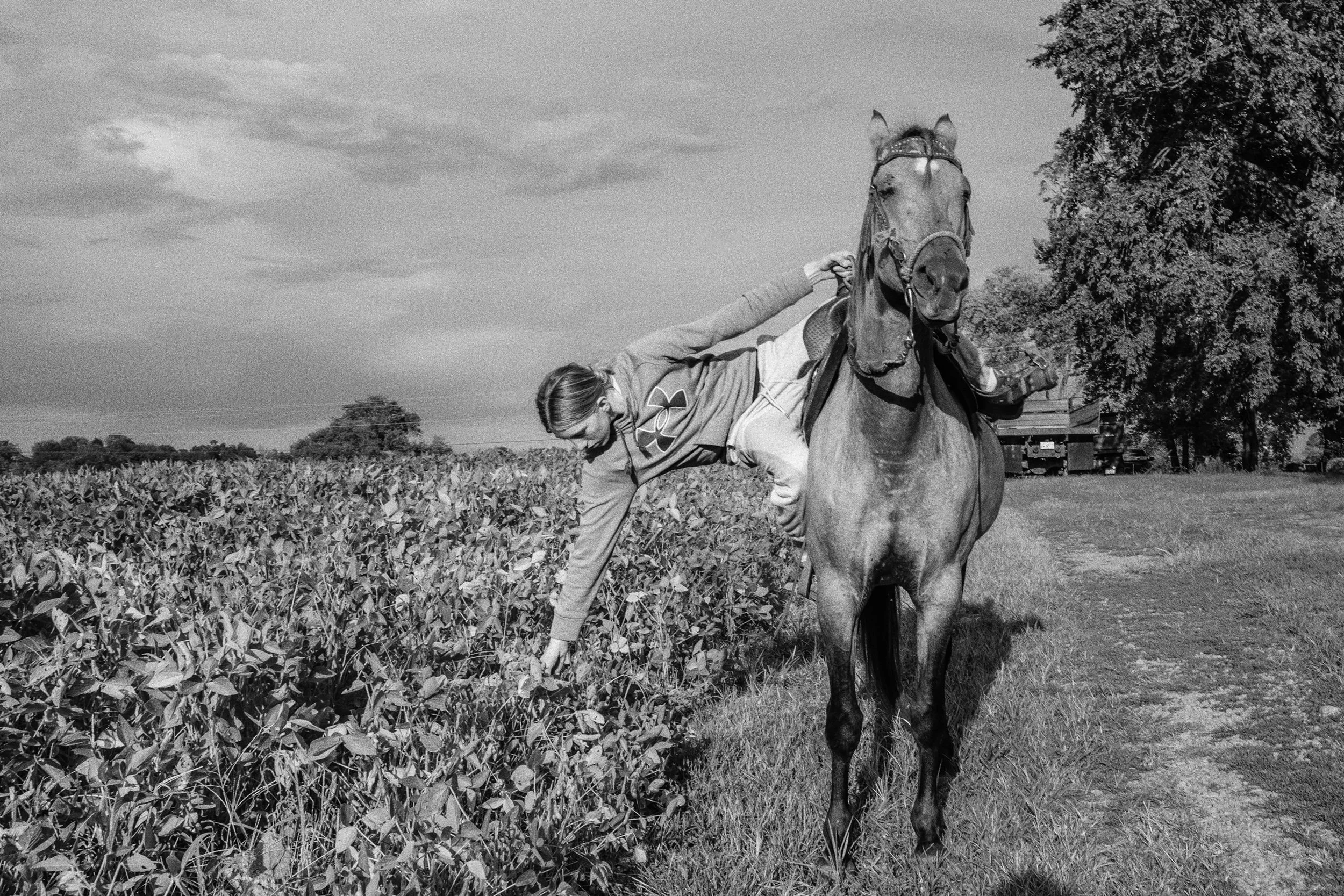
As a majority of the world’s producers are gradually pushed to the margins and our collective connection to the land thins,
The Last Generation offers a timeless visual record that dignifies those caught in this disappearing middle, and elevates those charting pathways out of it.