Brothers Fight
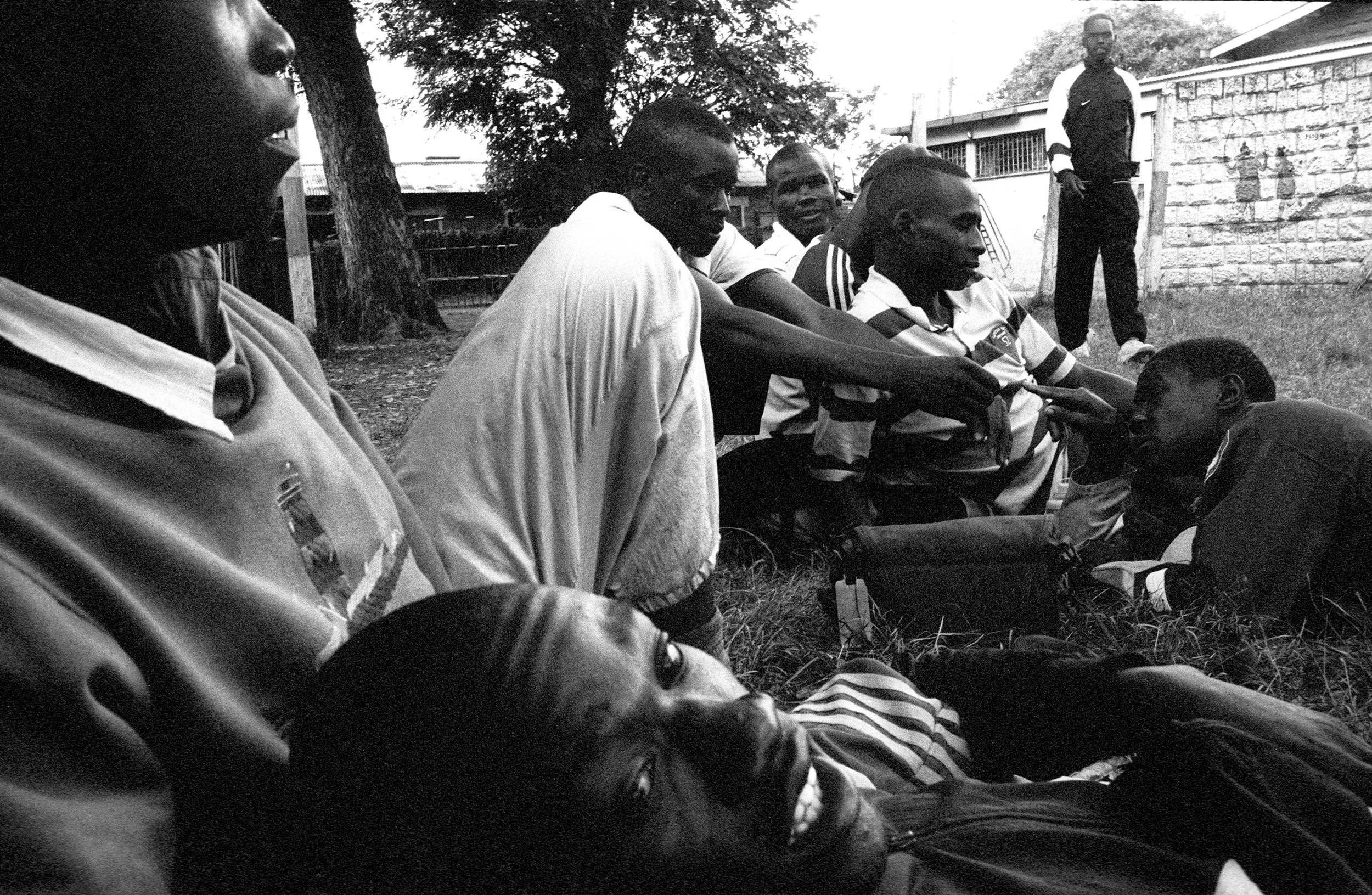
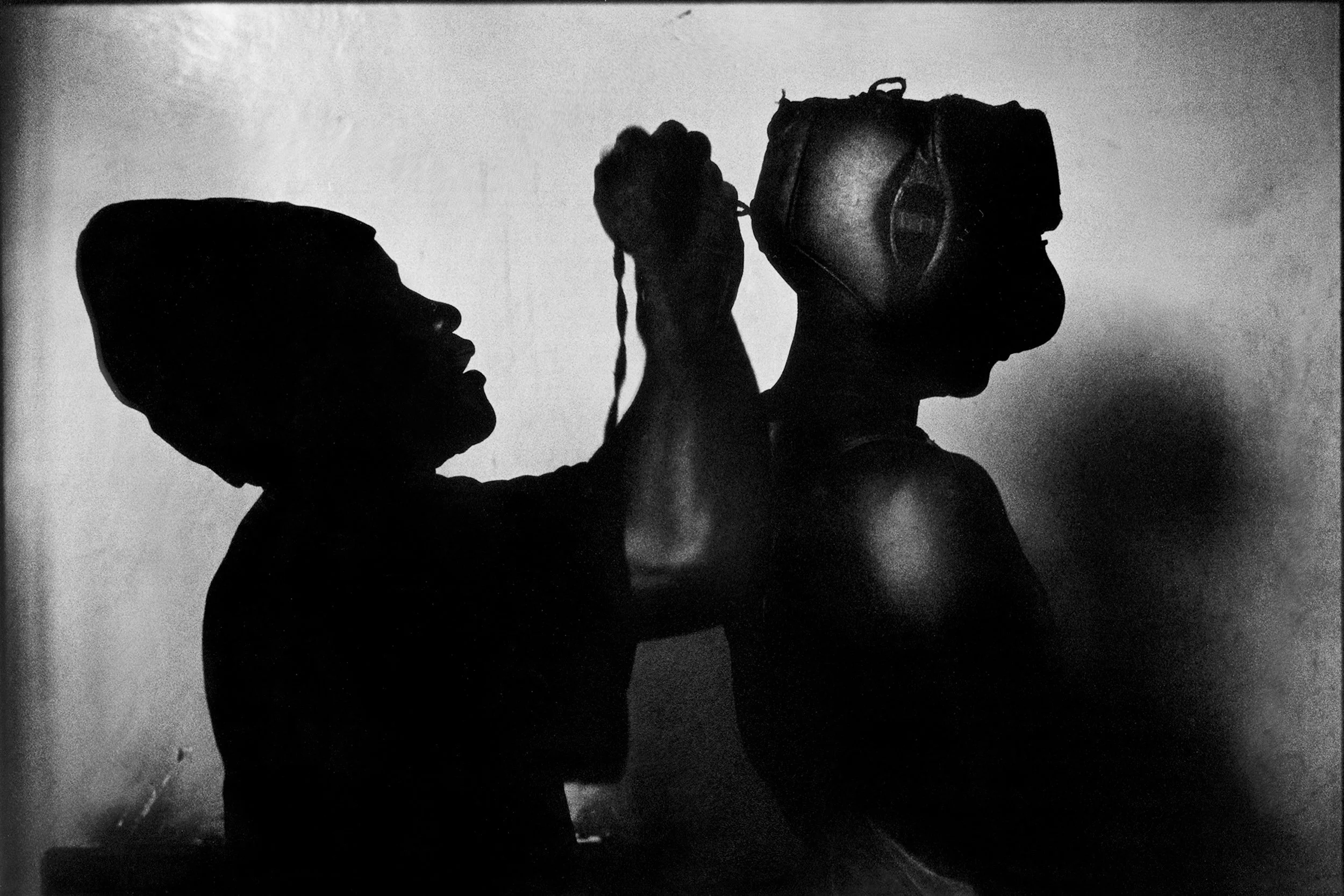
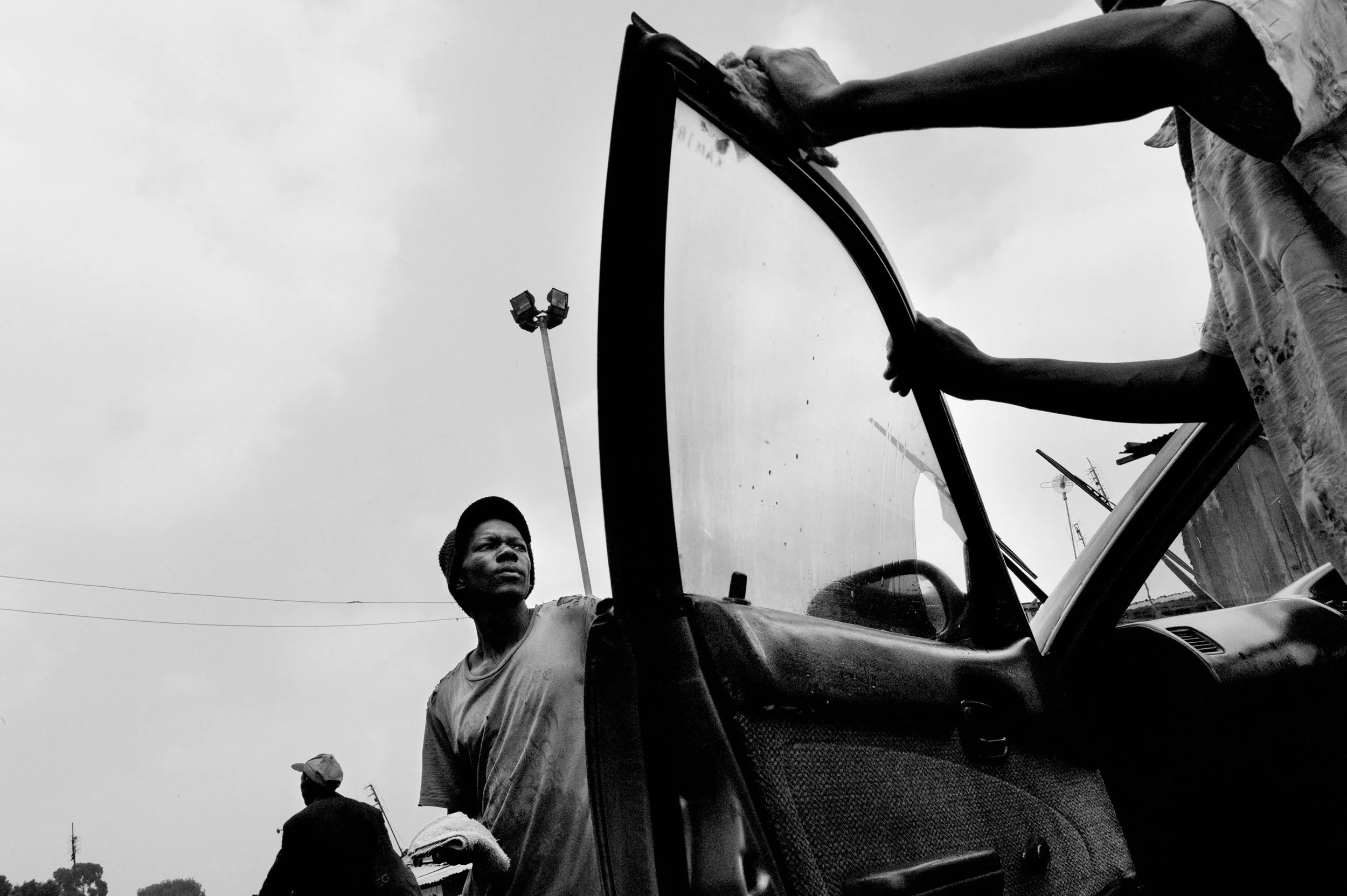
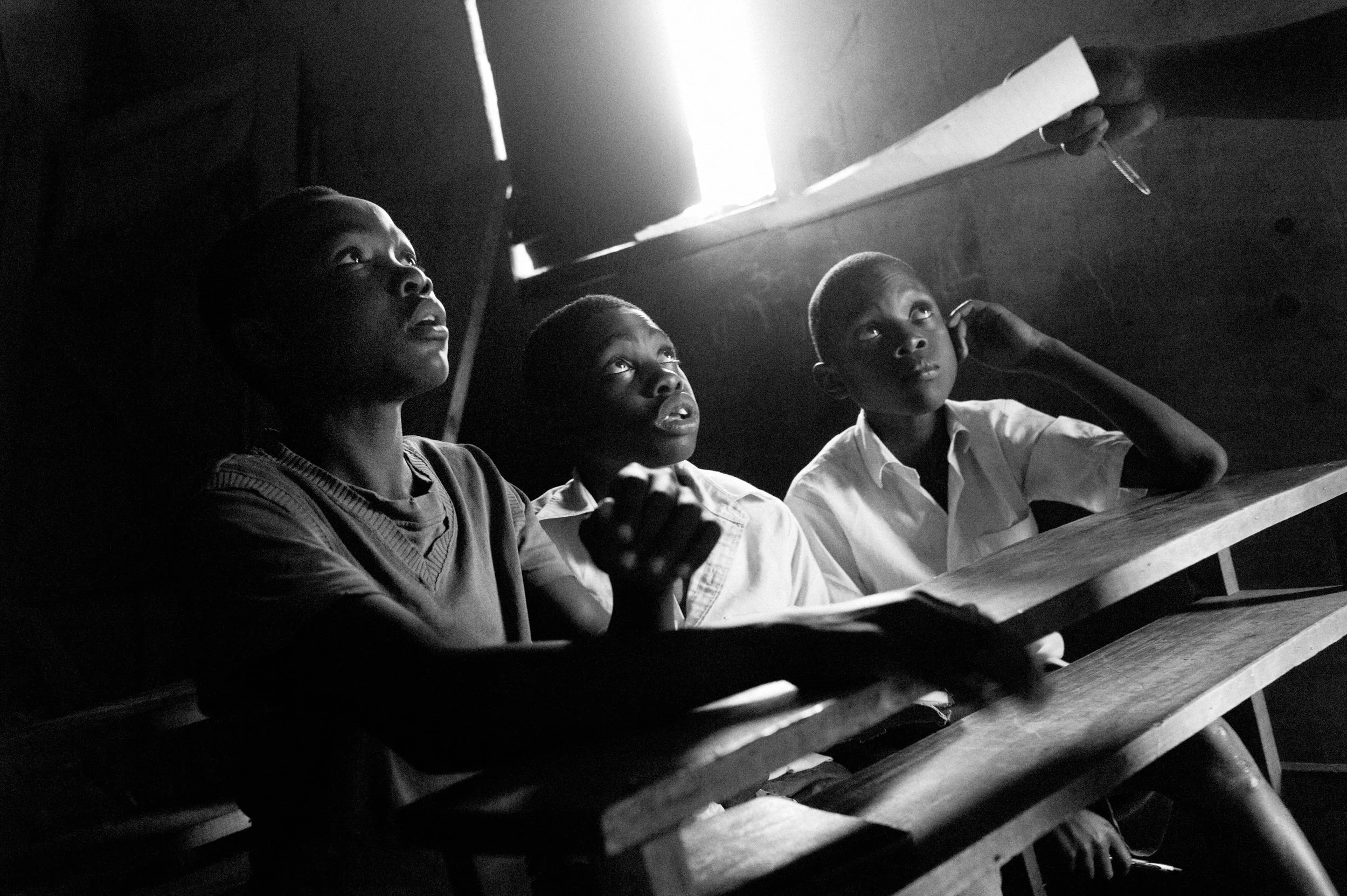
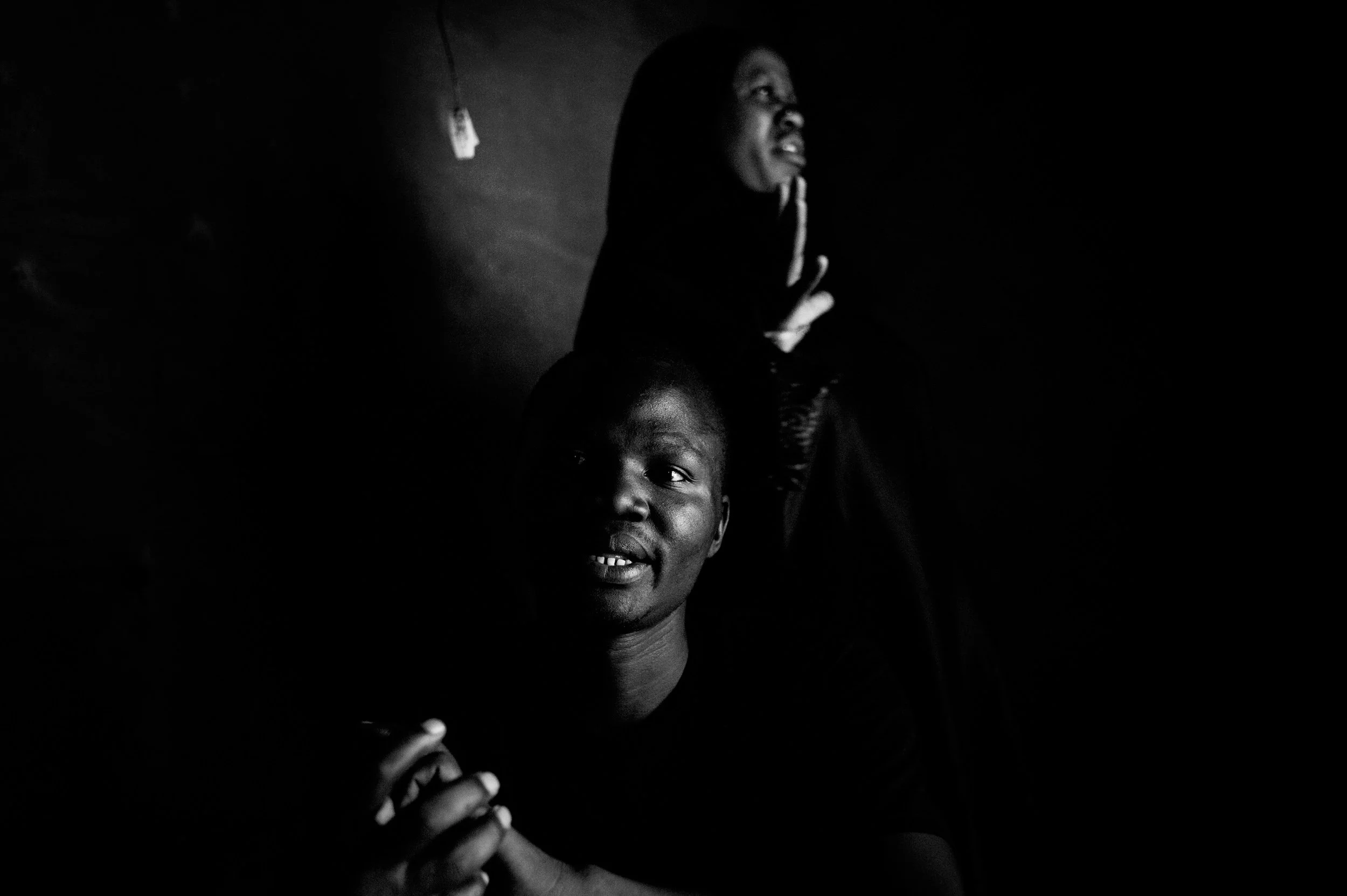
Within Kenya’s progressive youth culture is the Kibera Olympic Boxing Club, a group of low-income adolescents from the slum whose leaders use boxing as a way to engage with idle youth. Forged during a period of political unrest, the group's ethnic diversity is remarkable given Kenya's history of ethnically motivated violence.
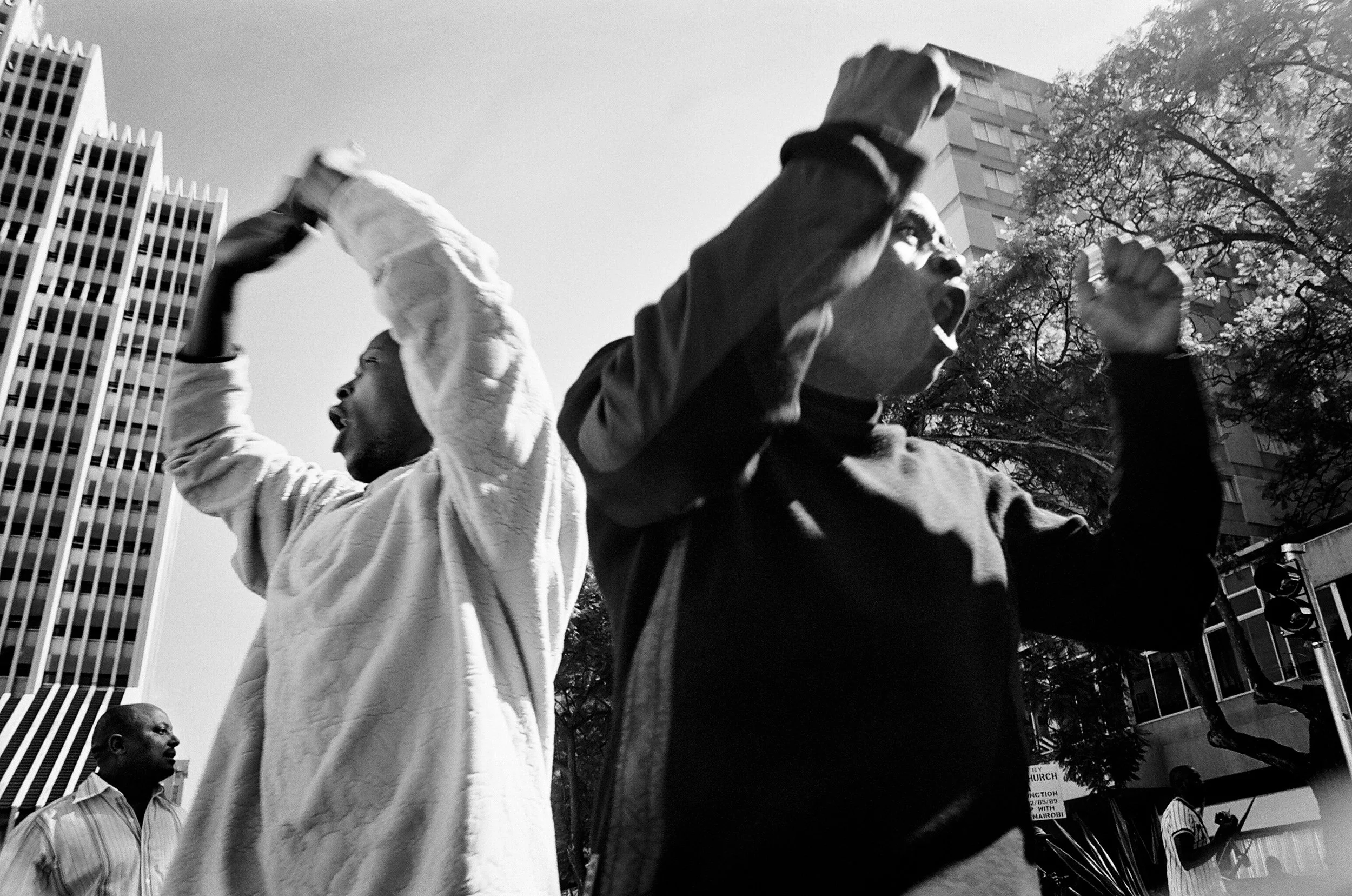
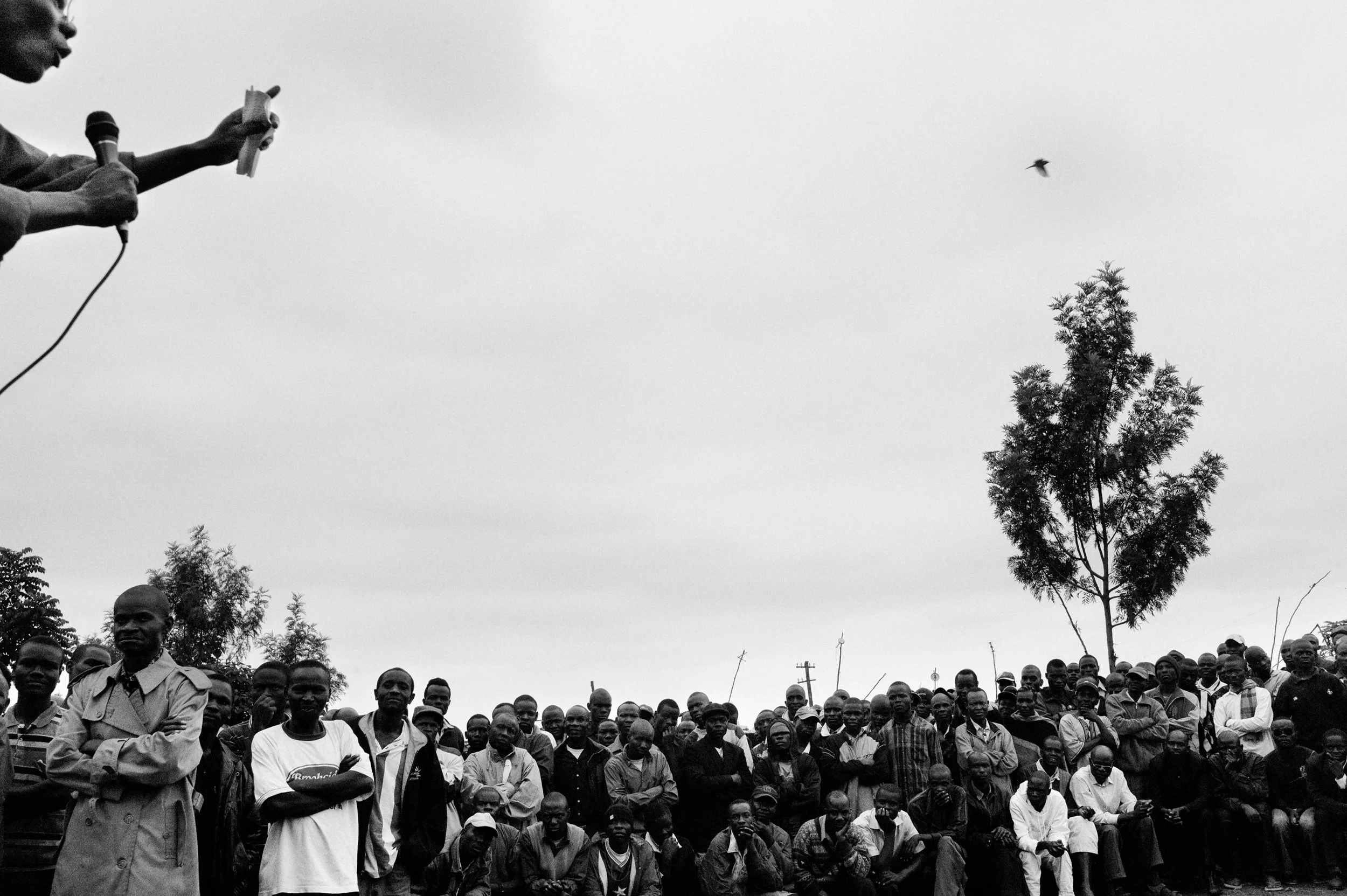
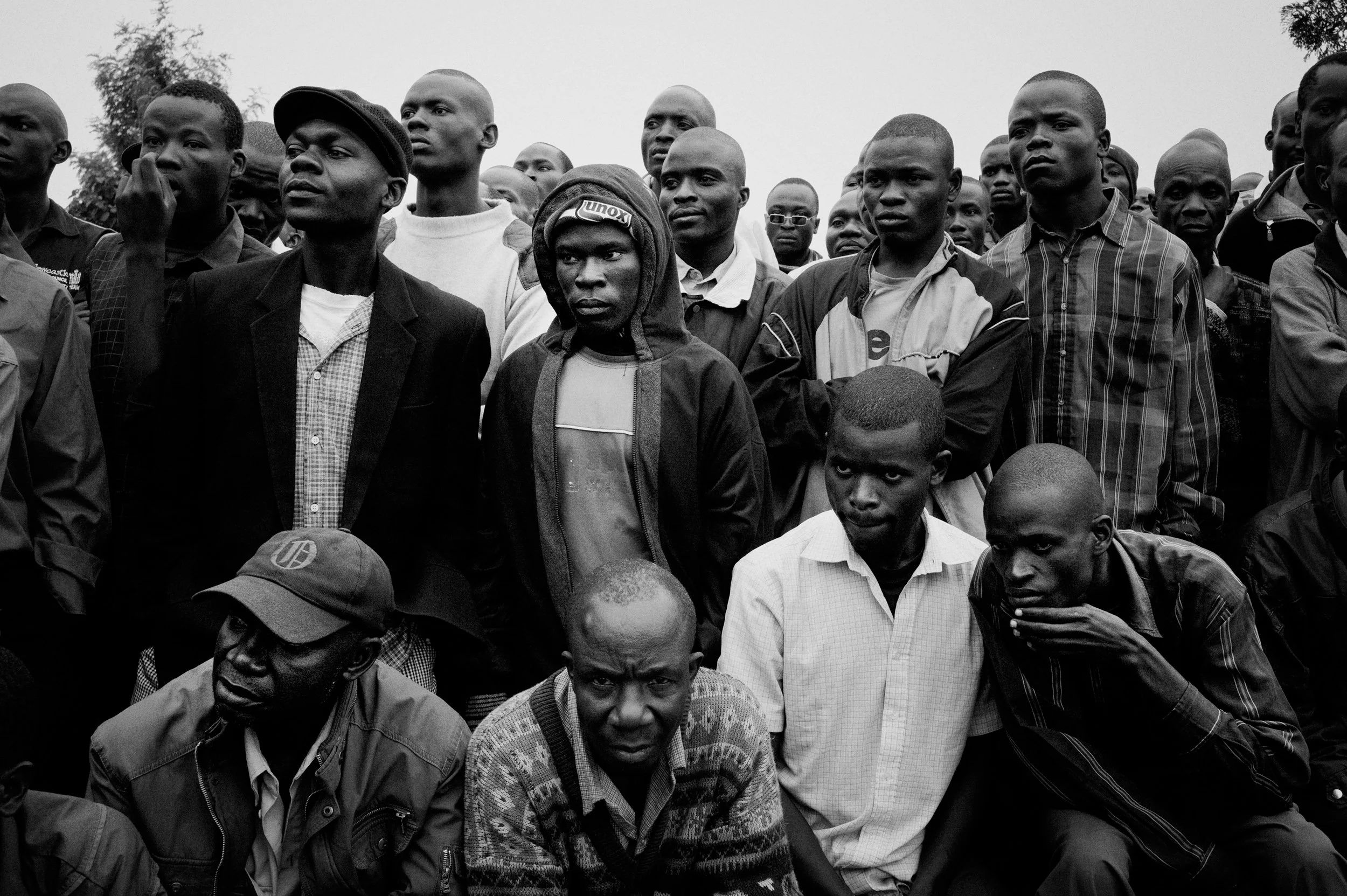
Following a disputed presidential election, the youth of Nairobi witnessed the worst outbreak of ethnically motivated violence the country had seen since independence. Fueled by long-standing ethnic rivalries, as a precise hostility ripped through the streets of Nairobi, spreading as far as Eldoret, Naivasha and Kisumu. Kenya’s largest tribe, the Kikuyu, were the first to be targeted and uprooted from their homes and businesses.
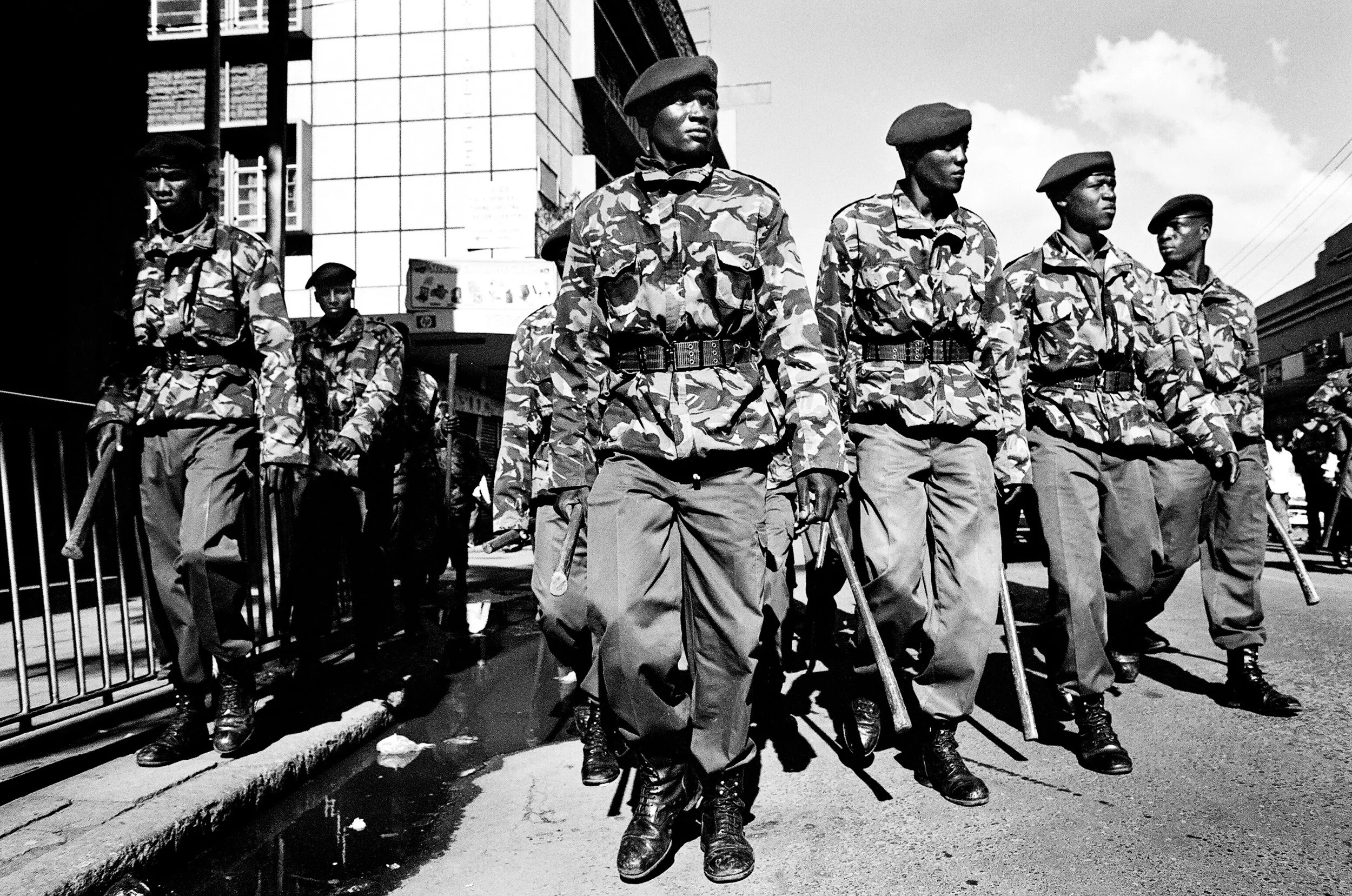
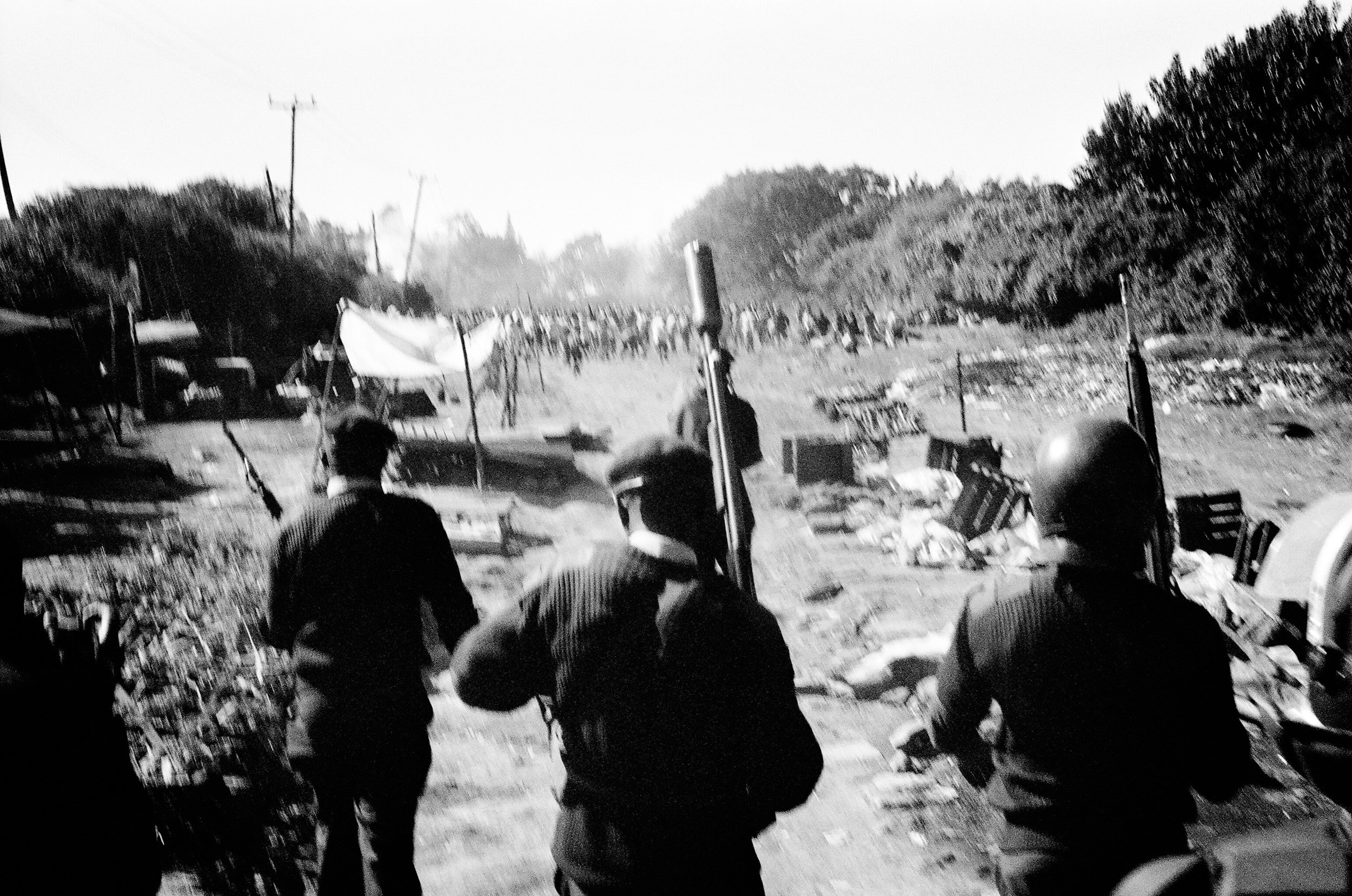
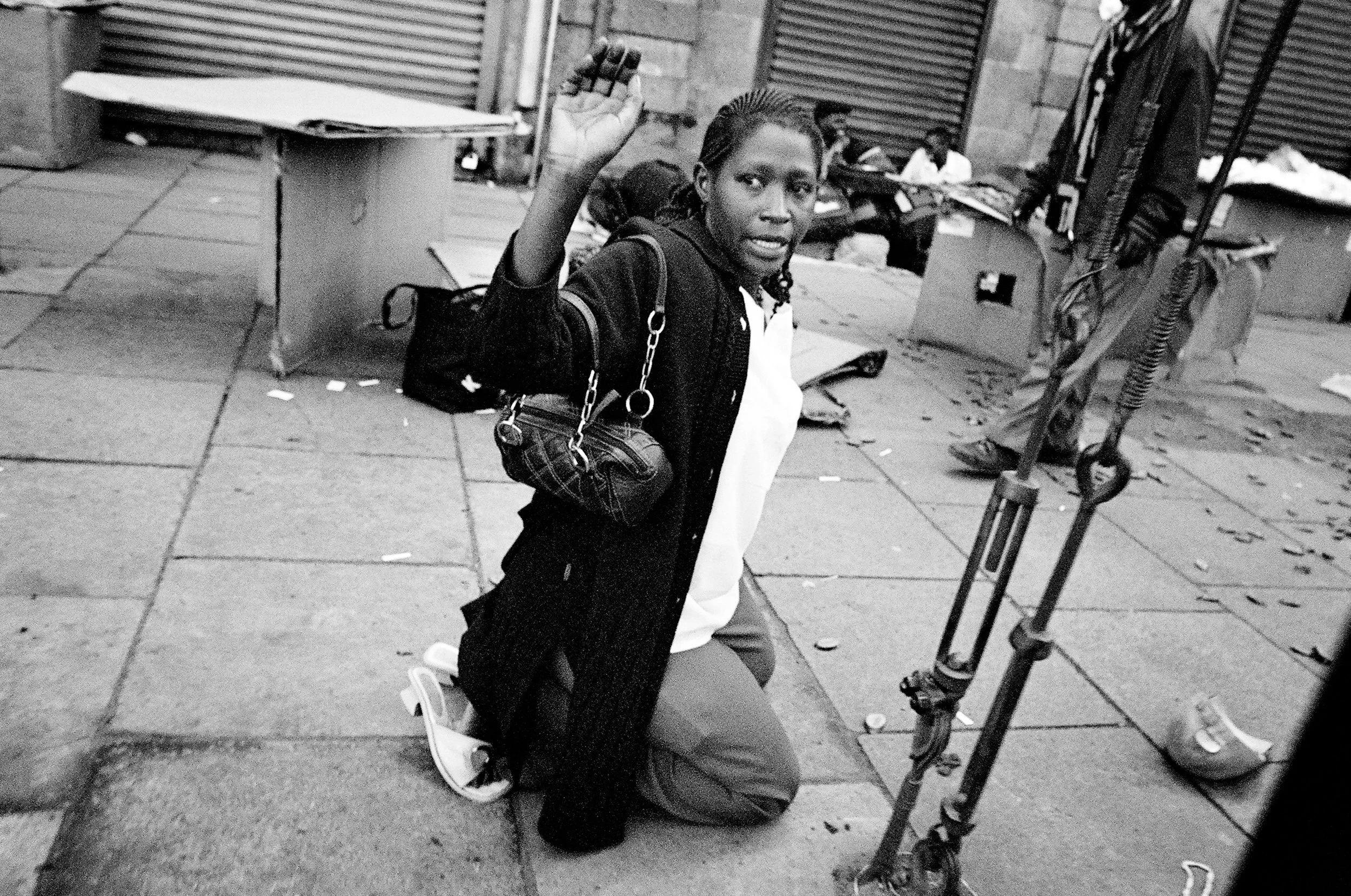
What followed was an ethnic conflict in which Kenyan youth, typically unemployed and idle, were routinely bribed by the political elite to carry out acts of violence against their neighbors. Ironically, the same youth were also the greatest victims of the violence.
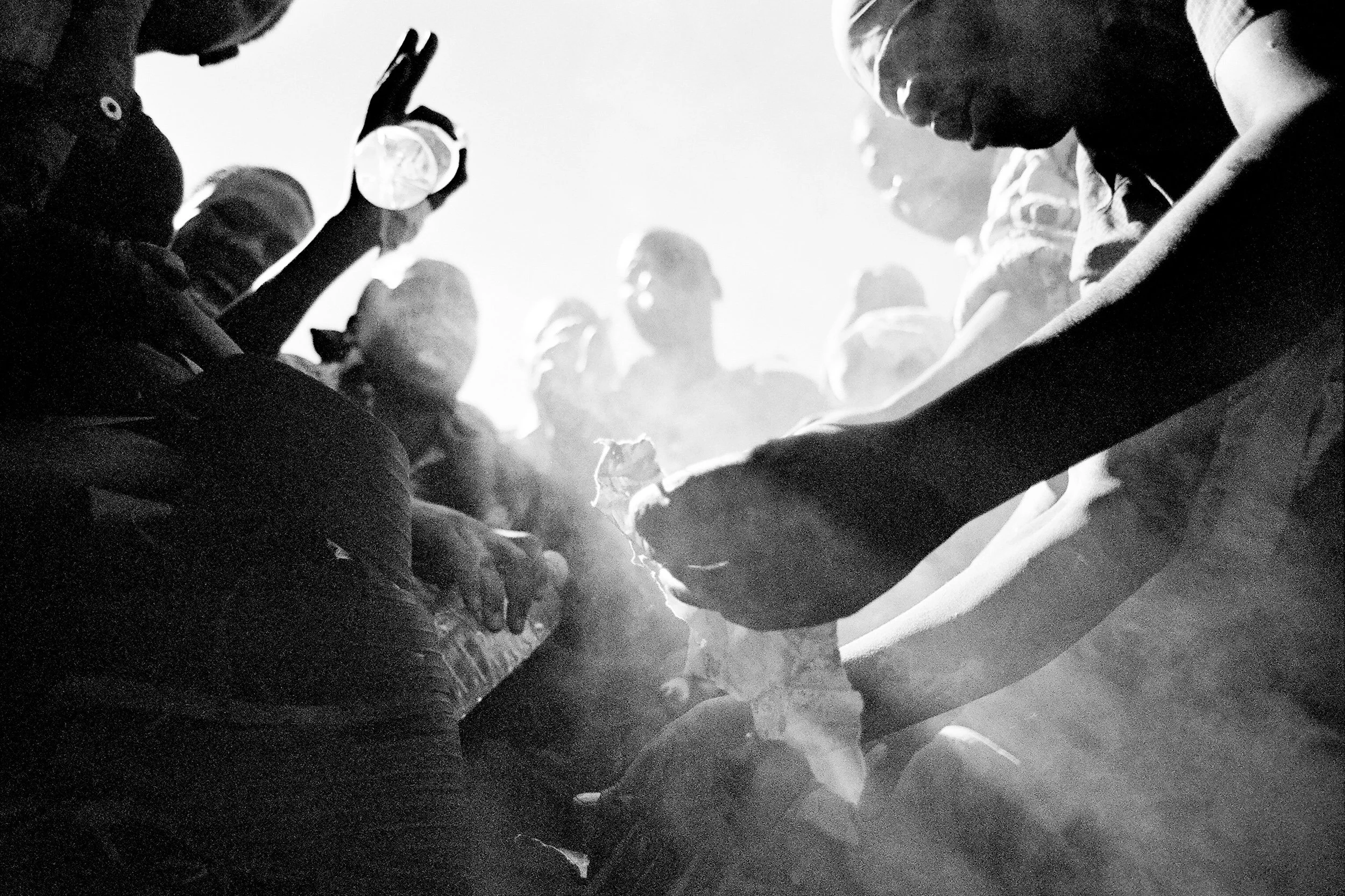
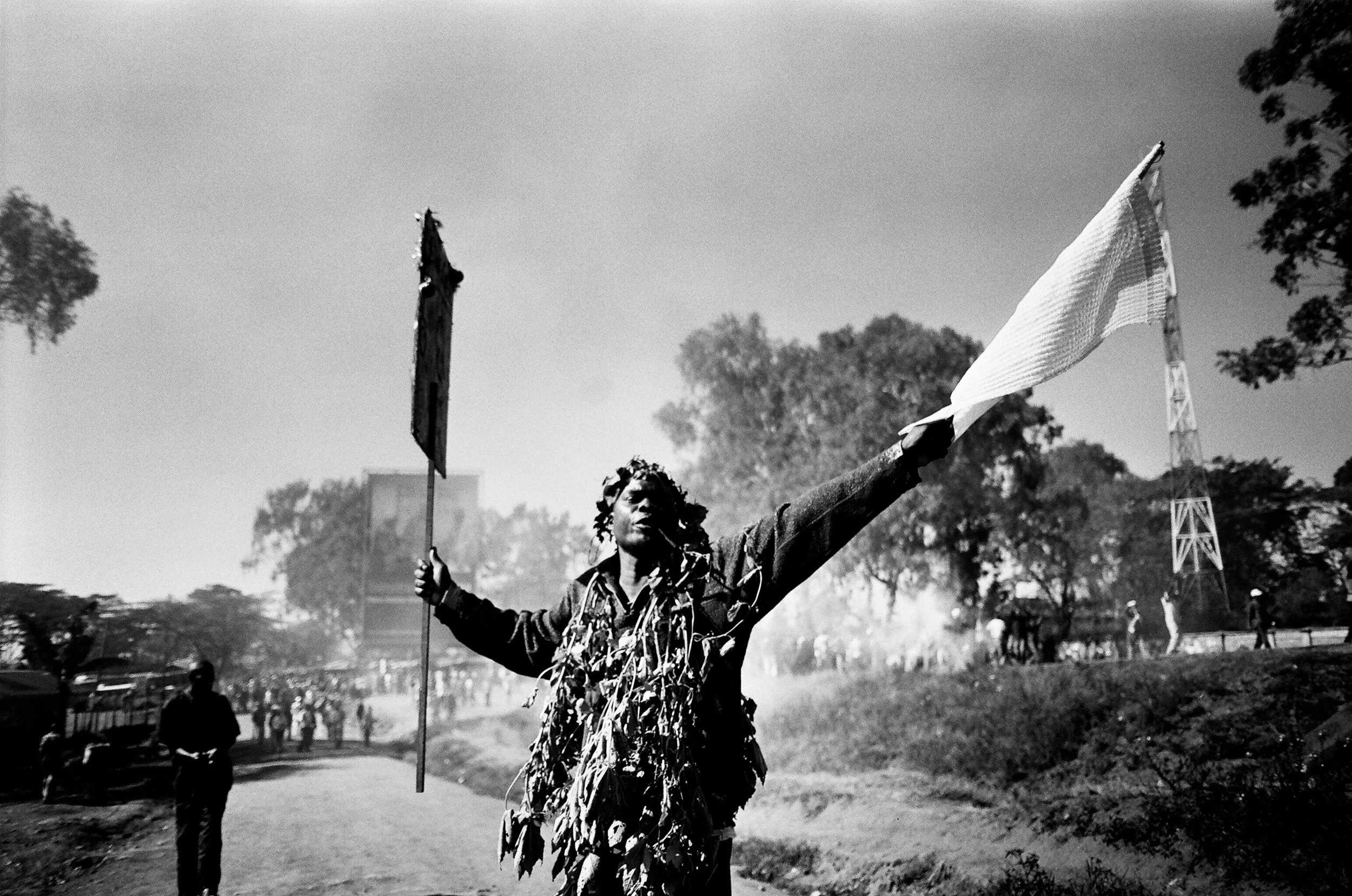
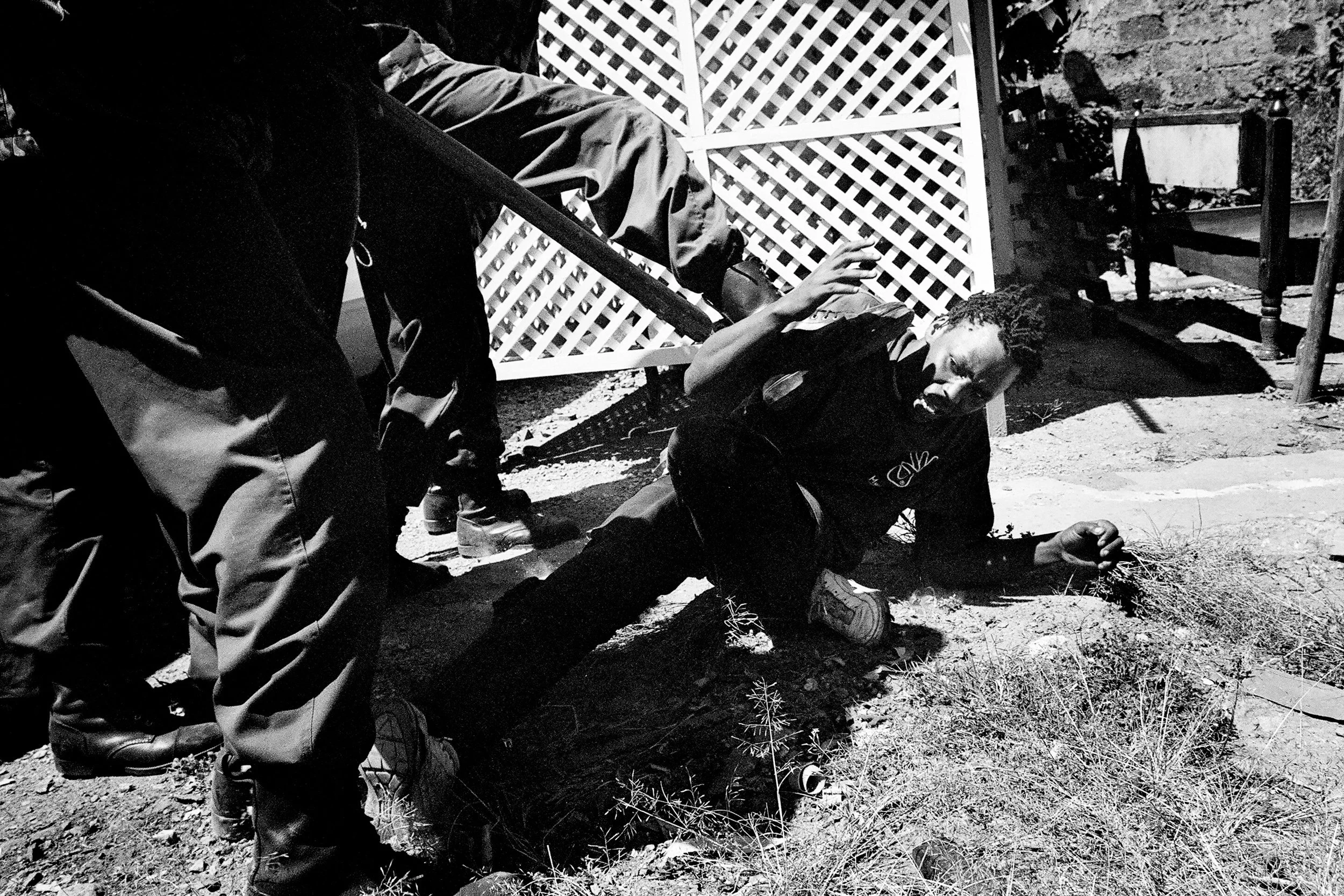
Idleness among youth, combined with the nation’s history of ethnic rivalries, were cited as a key factors to the violence that culminating in the deaths of over 1,200 Kenyans and the displacement of over 600,000.
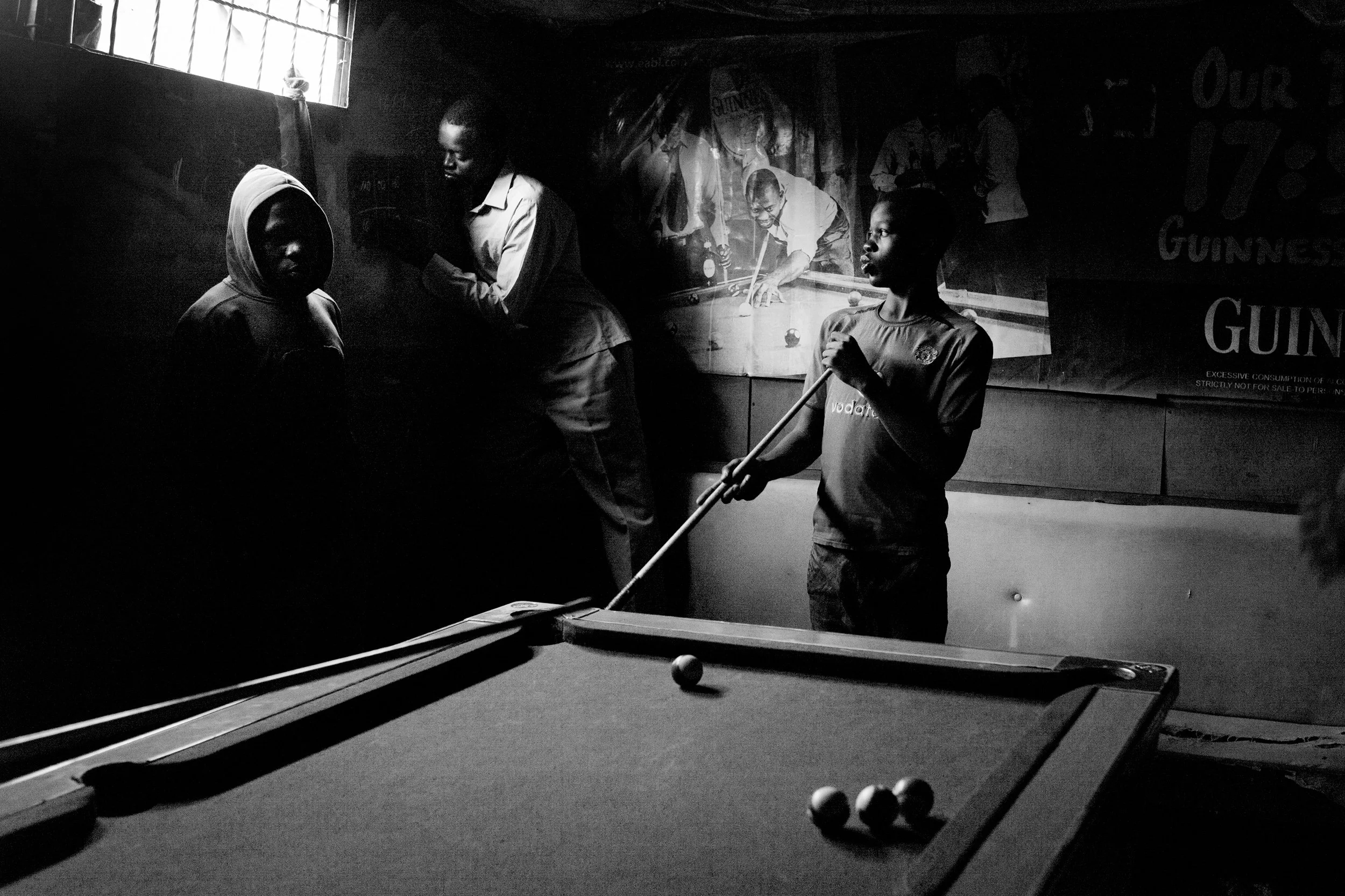
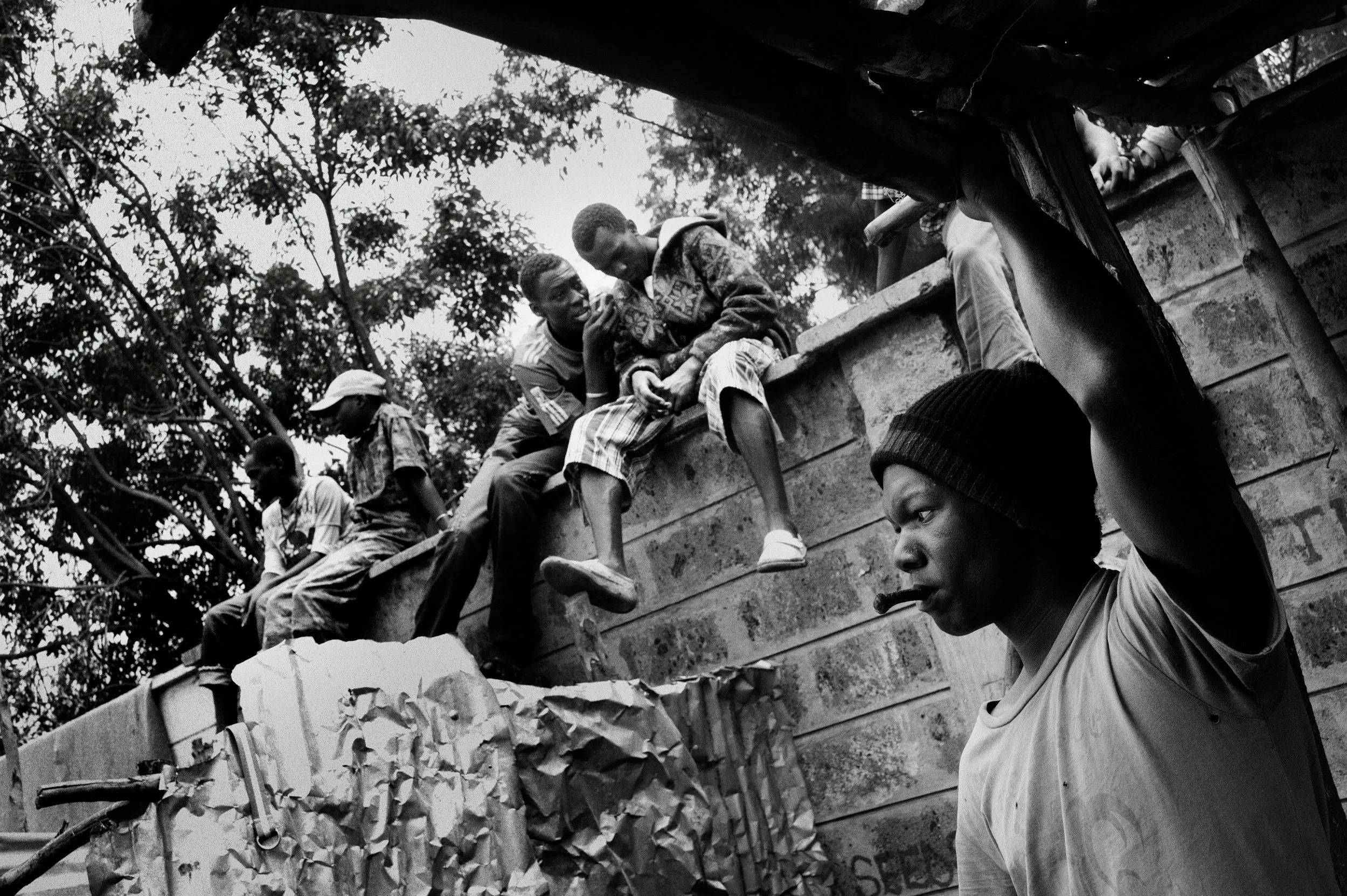
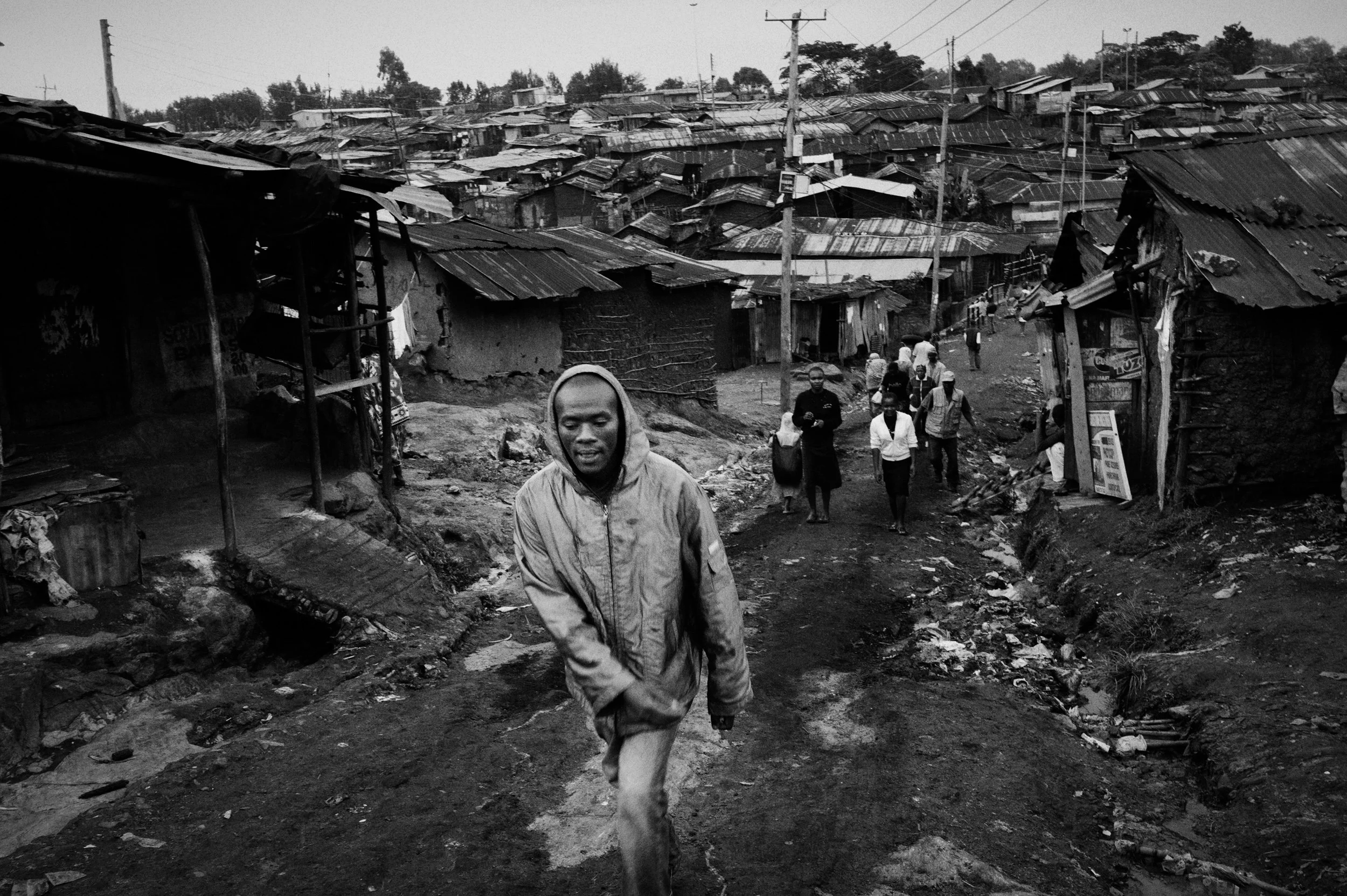
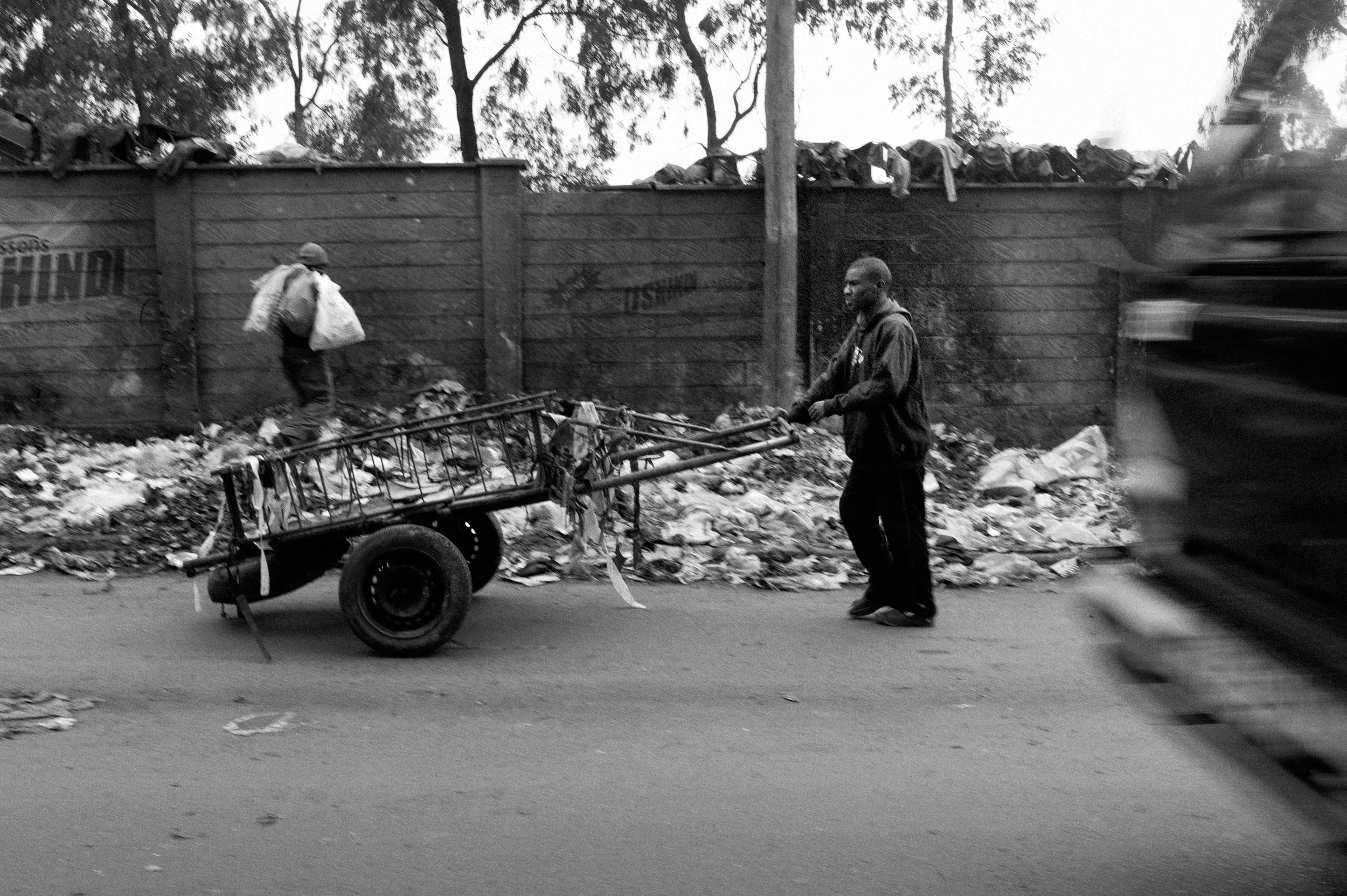
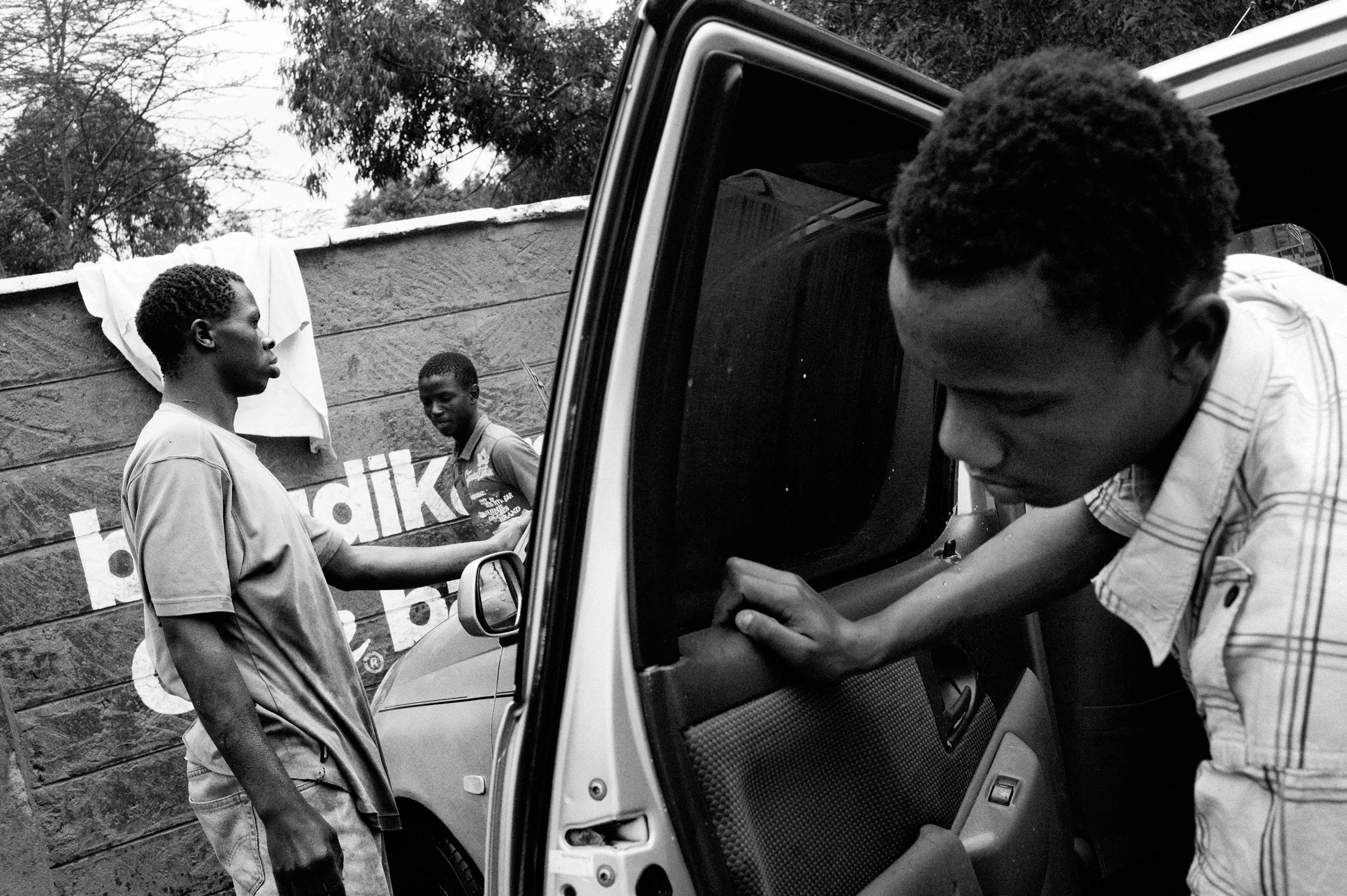
As a response to the violence, many youth have begun to seize active roles in the reform of their nation, and grassroots initiatives led by youth have begun to improve the quality of life for those living in the direst of conditions. Termed “youth groups” on the street, these initiatives could represent the future of long-term socioeconomic development in Kenya.
Within this progressive youth culture is the Kibera Olympic Boxing Club, a group of low-income adolescents from the slum whose leader uses boxing as a way to engage with idle youth. The group's ethnic diversity is remarkable given Kenya's history of ethnically motivated violence.
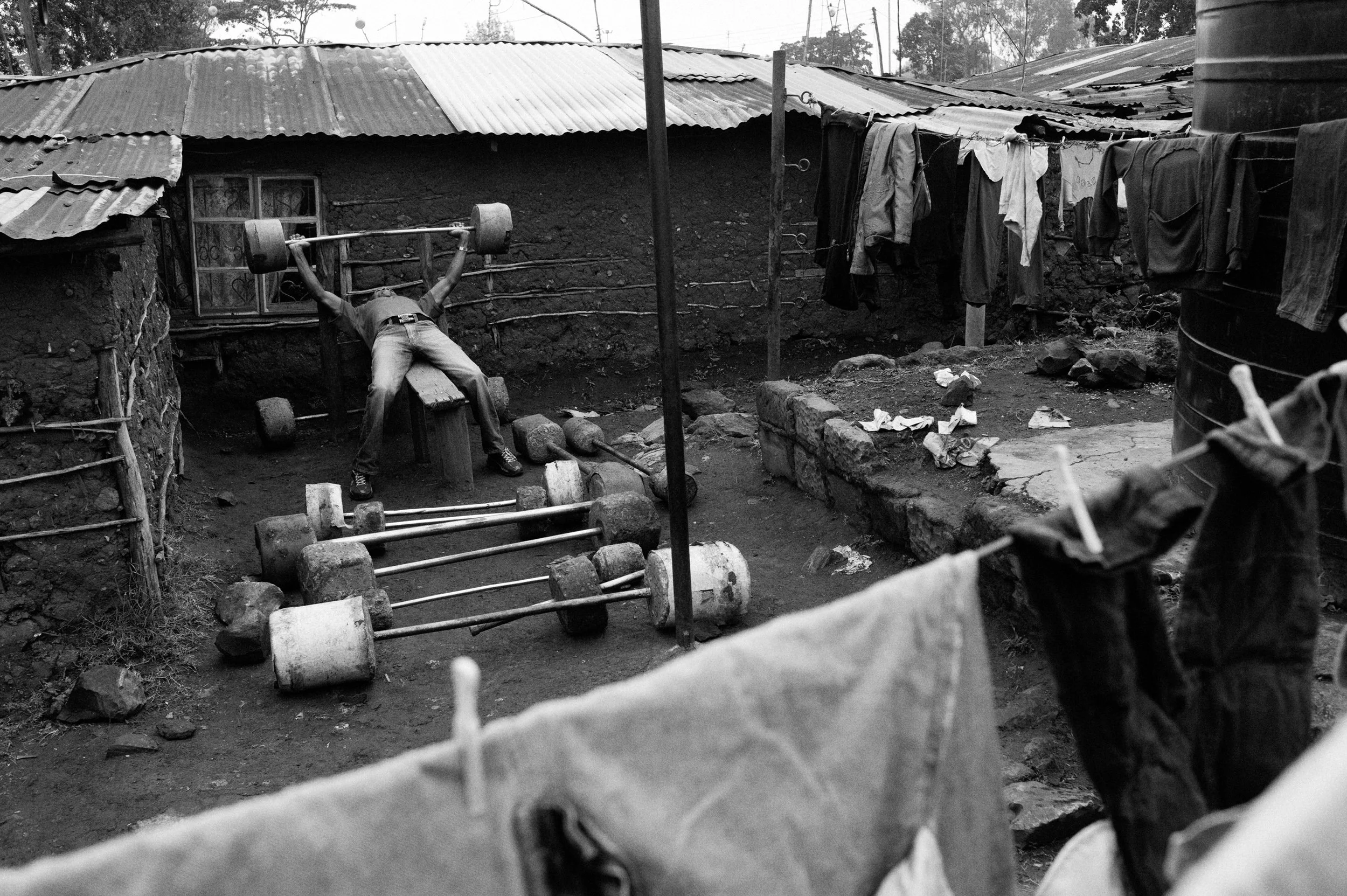
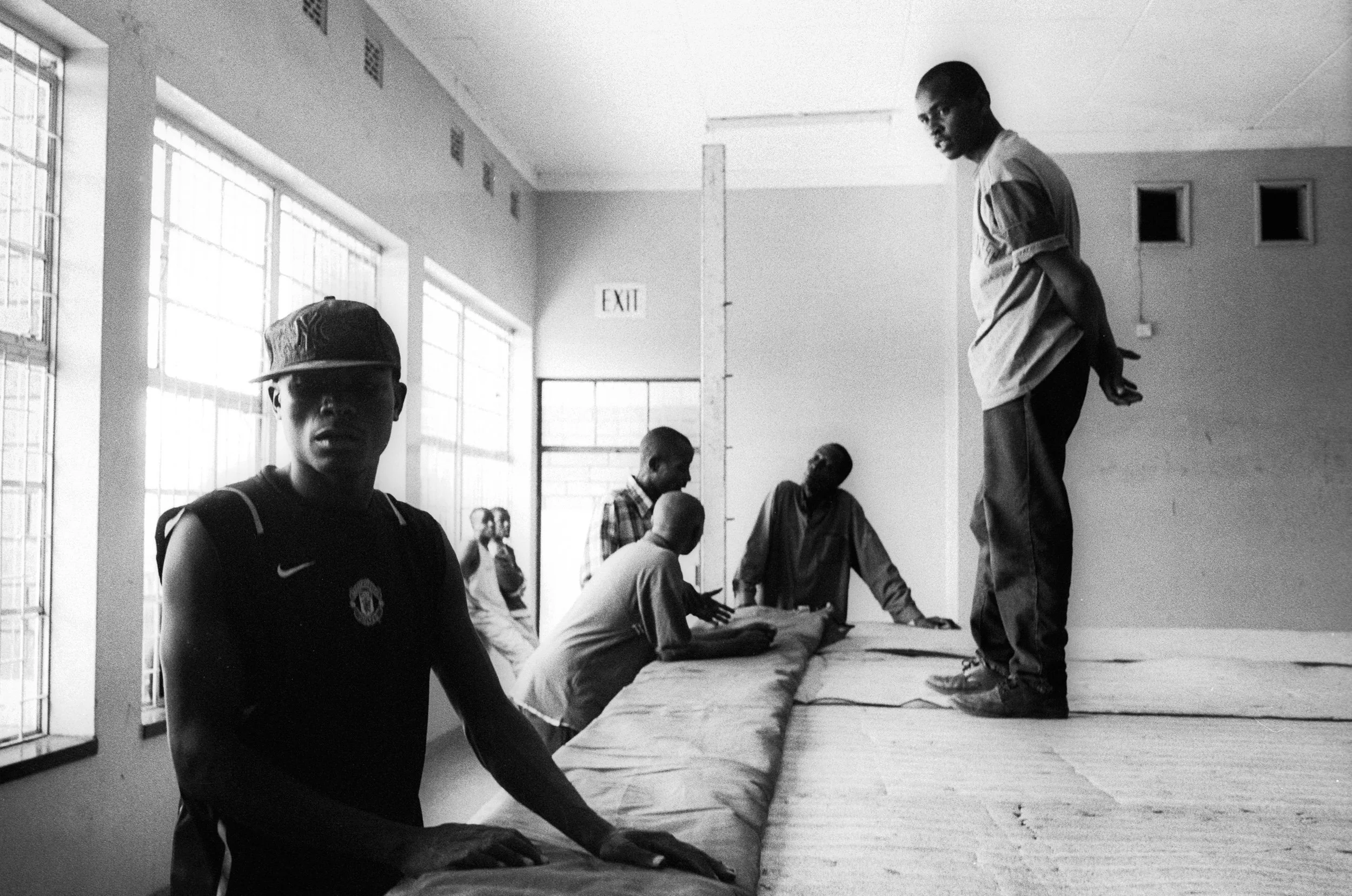
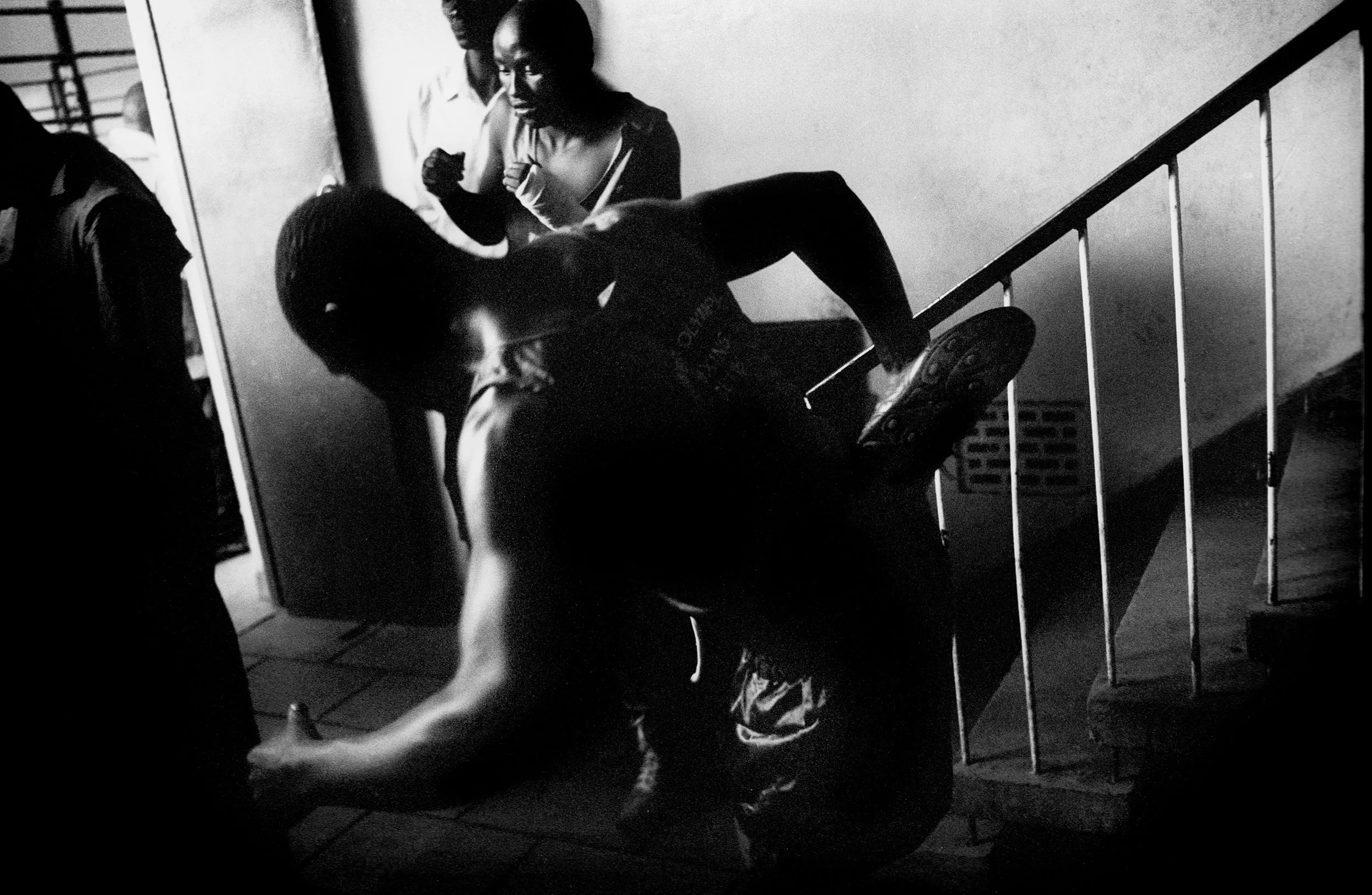
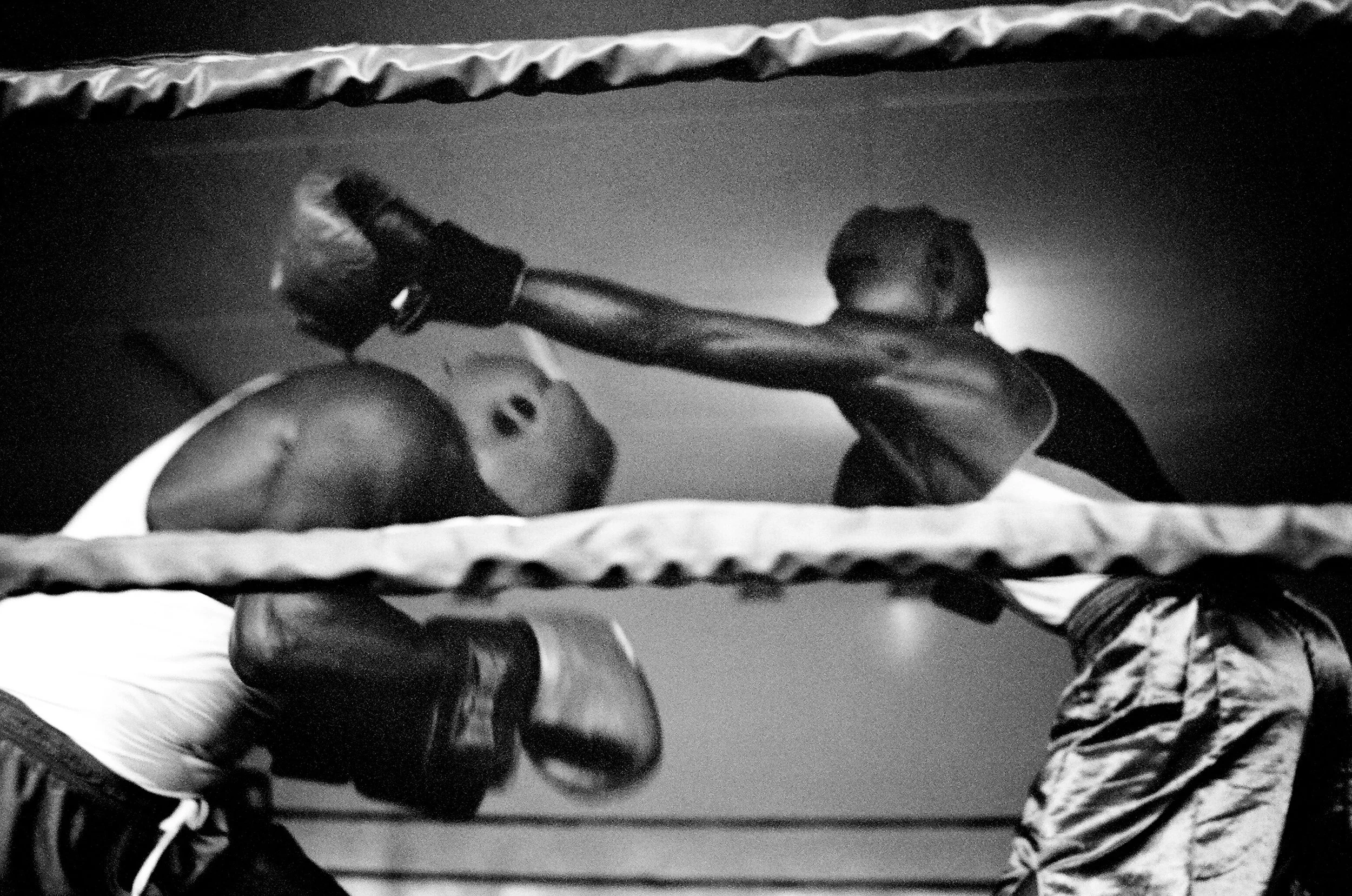
Together, these boxers represent a nascent trend of cross-tribe brotherhood in a healing nation.