Vestiges
Facing Loss, Sudan's Refugees Reflect on What's Next
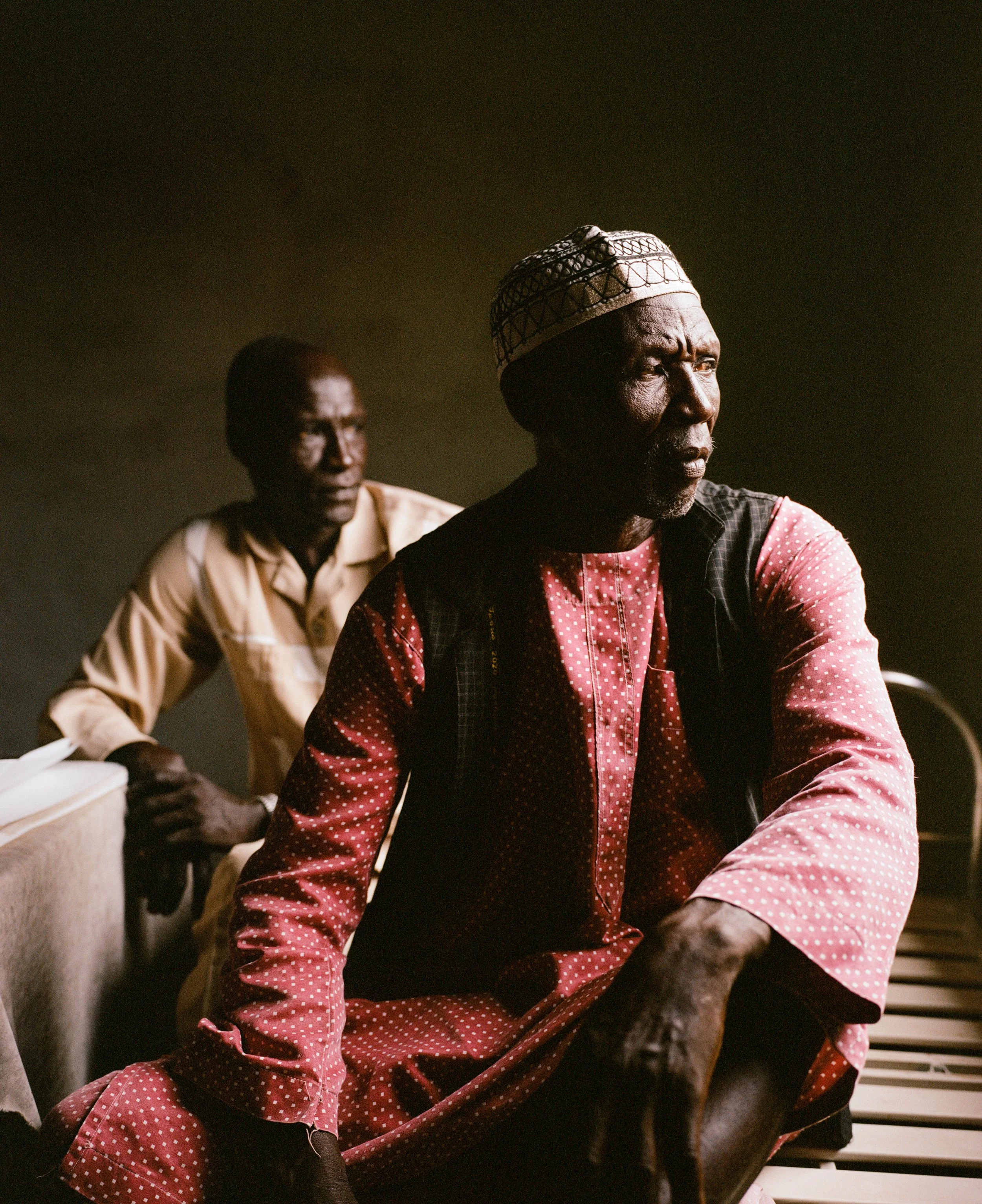
In the remote Nuba Mountains of Sudan, decades of war have uprooted the lives of millions, and vestiges of conflict riddle the landscape of daily life. Yet as the War In Sudan approaches its third year, host communities once targeted for violence have become a safe haven. Amidst devastating violence and crippling hunger, refugees who have fled south reflect on their exodus, and the hope this rebel-held territory provides.
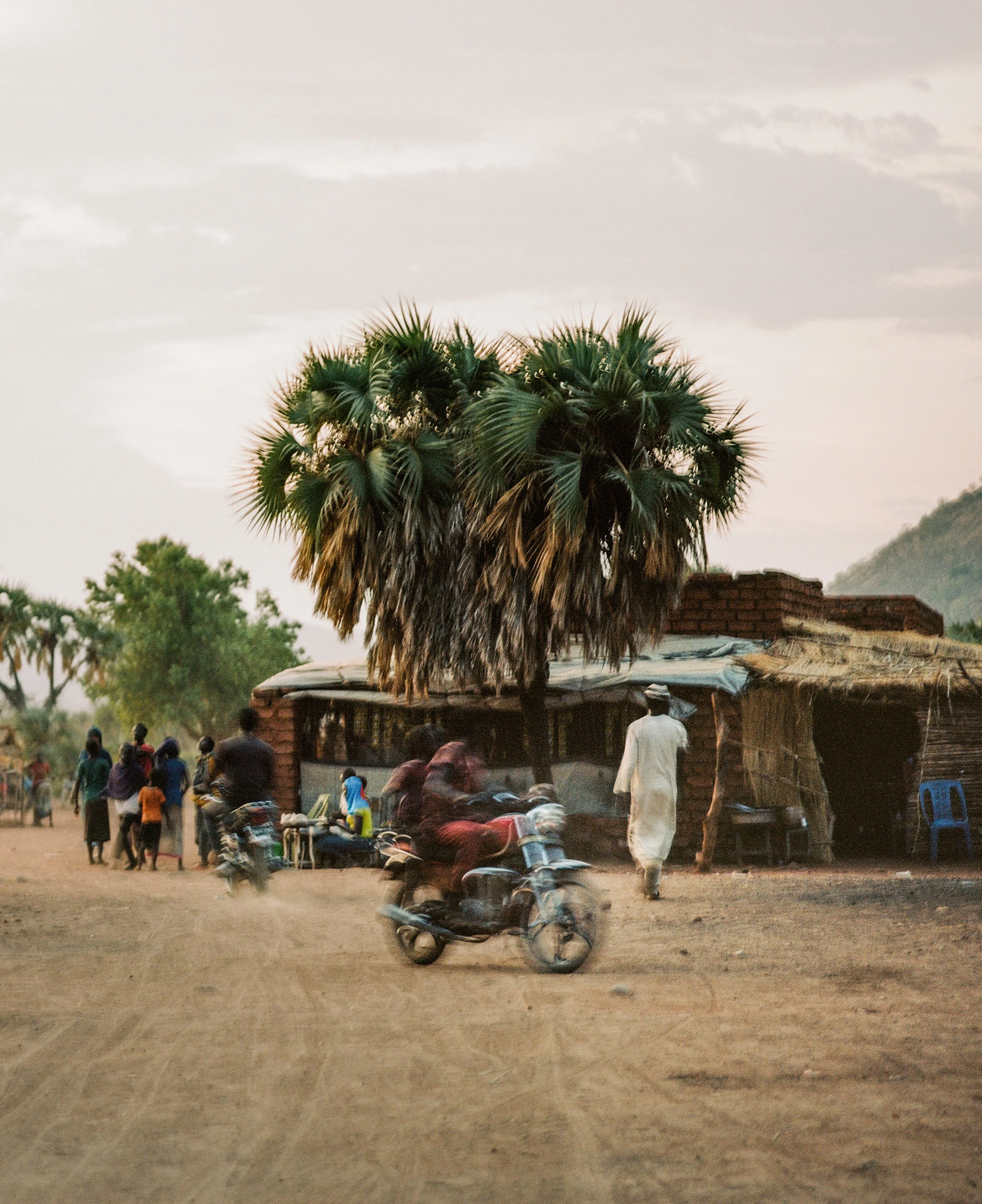
In 2011, the government of Sudan expelled all humanitarian groups from the country’s Nuba Mountains. Since then, the Antonov aircraft has terrorized the Nuba people, dropping more than 6,000 bombs on hospitals, schools, marketplaces and churches. Today, vestiges of the Antonov riddle the landscapes of daily life, and the collective memory of the bombings remains an open wound. So frequent were the attacks that the Nuba nicknamed the high flying aircraft and its dismal hum: "Gafal-nia ja,” they would declare, running to the hillsides. “The loss of appetite has come.”
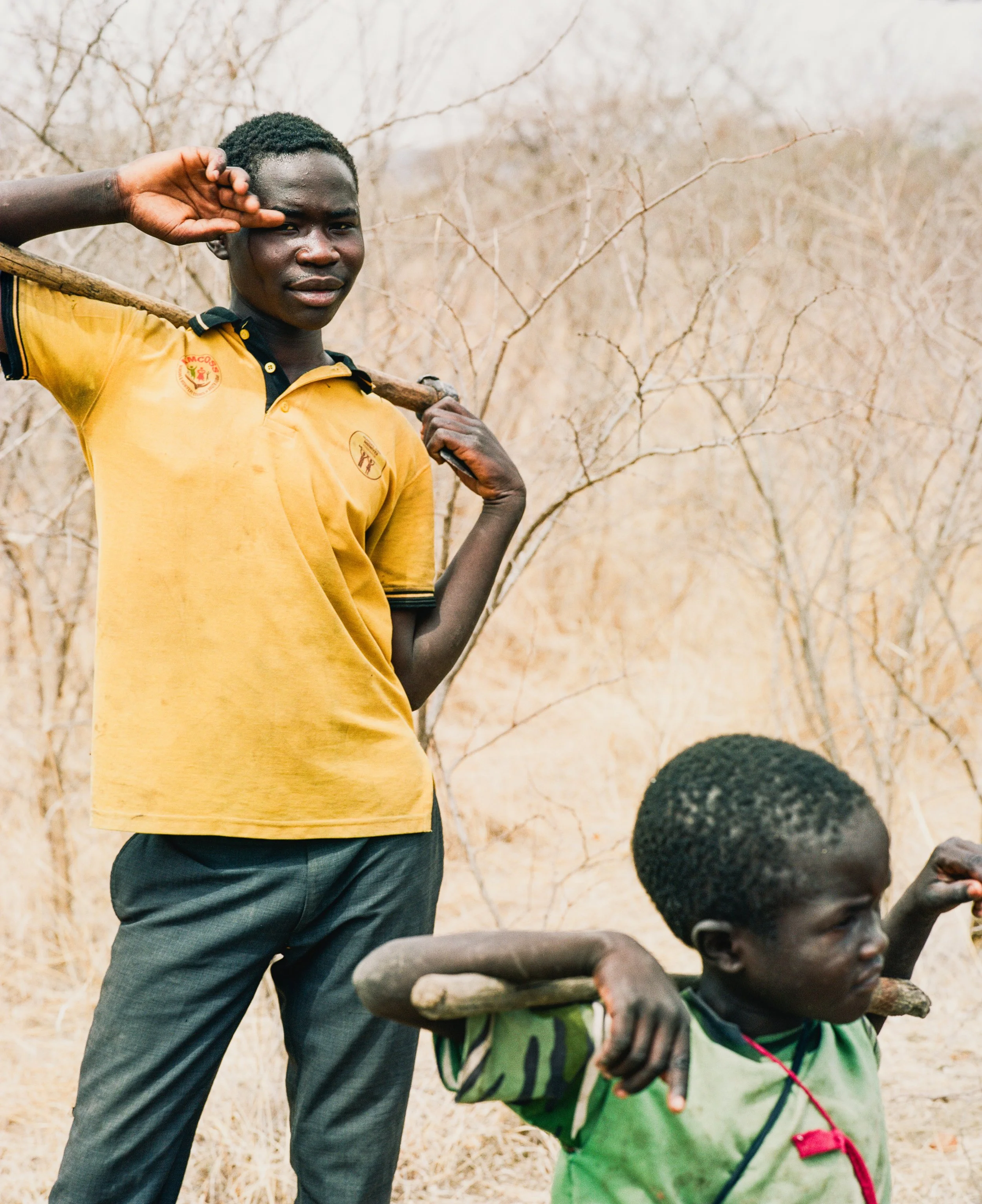
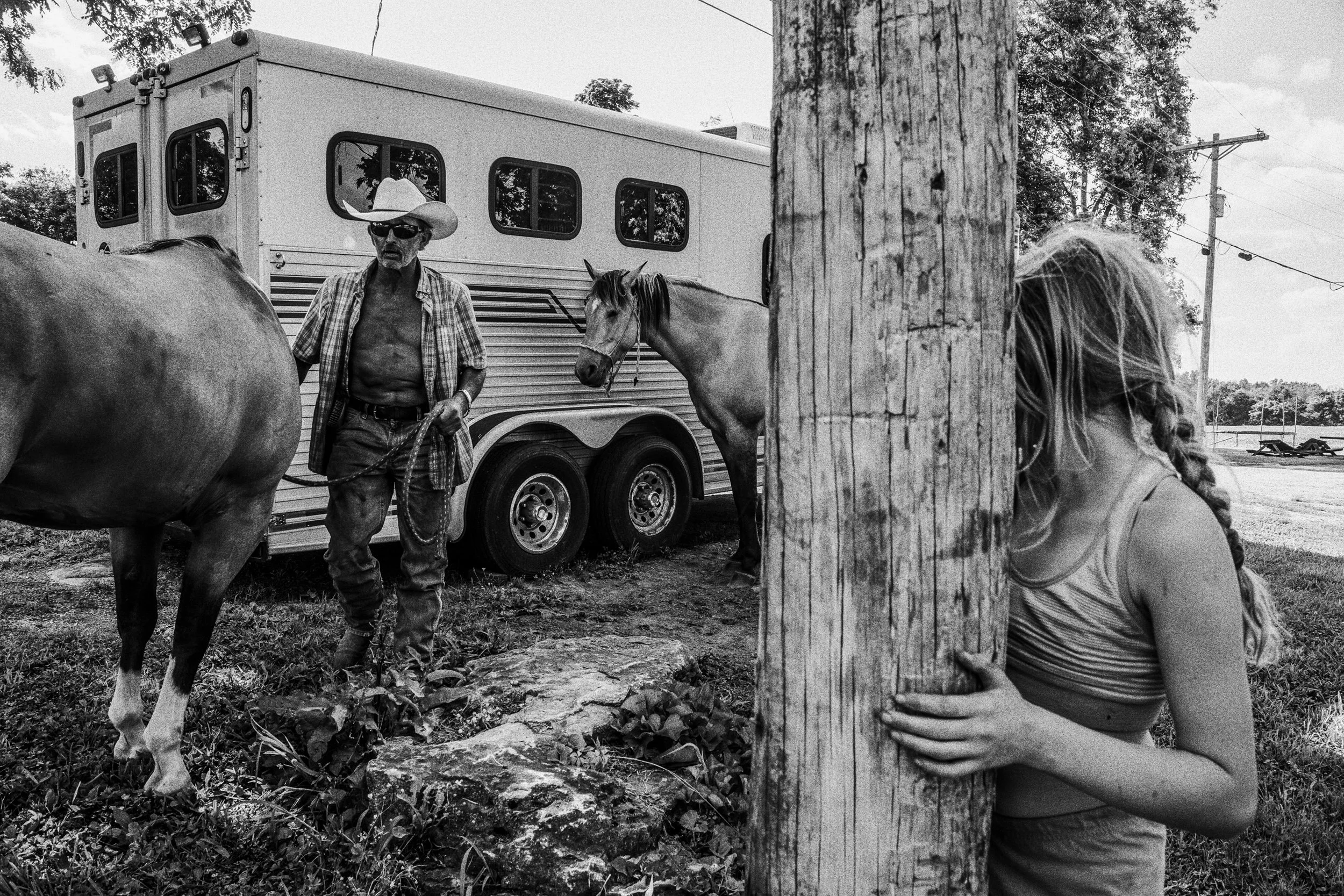
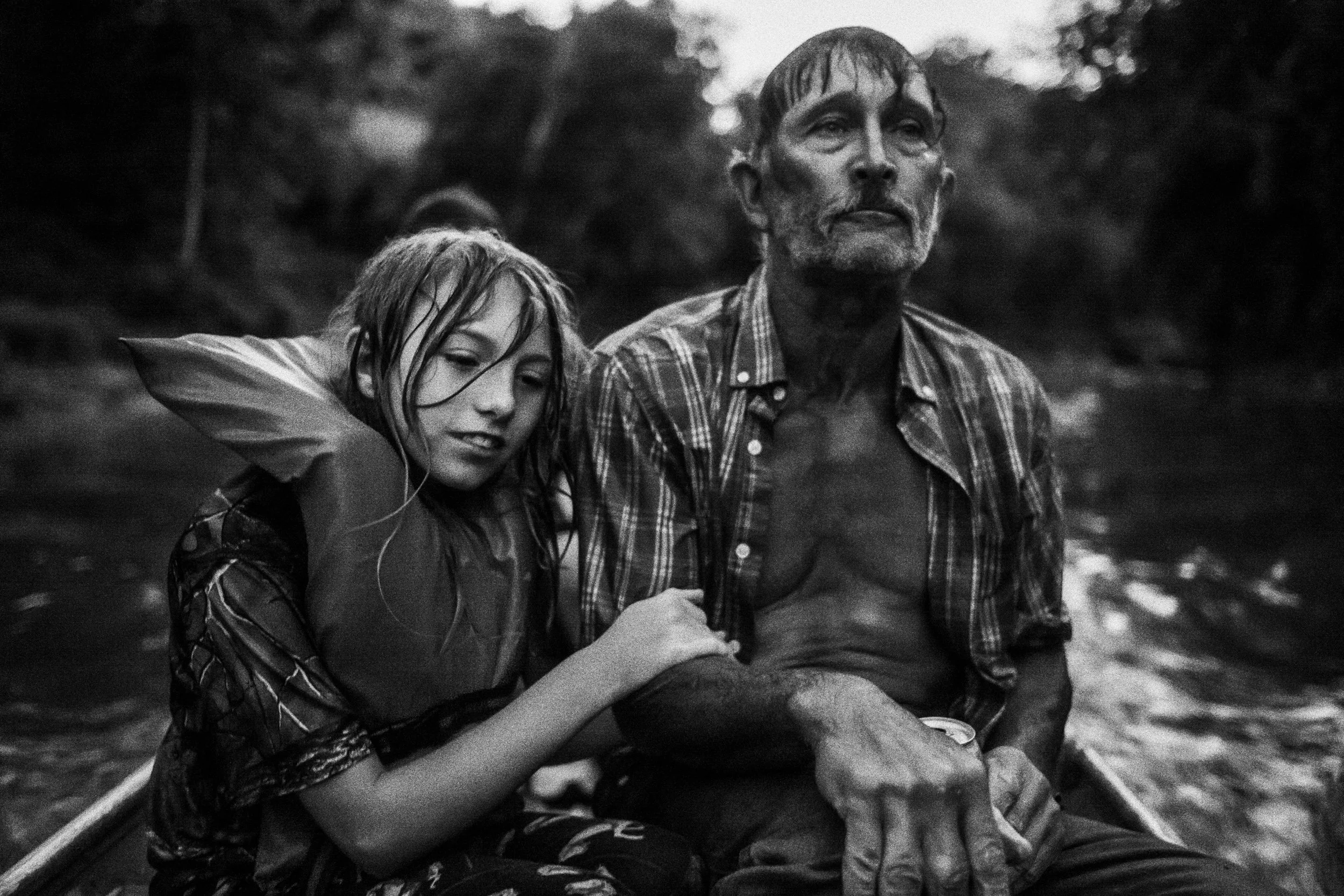
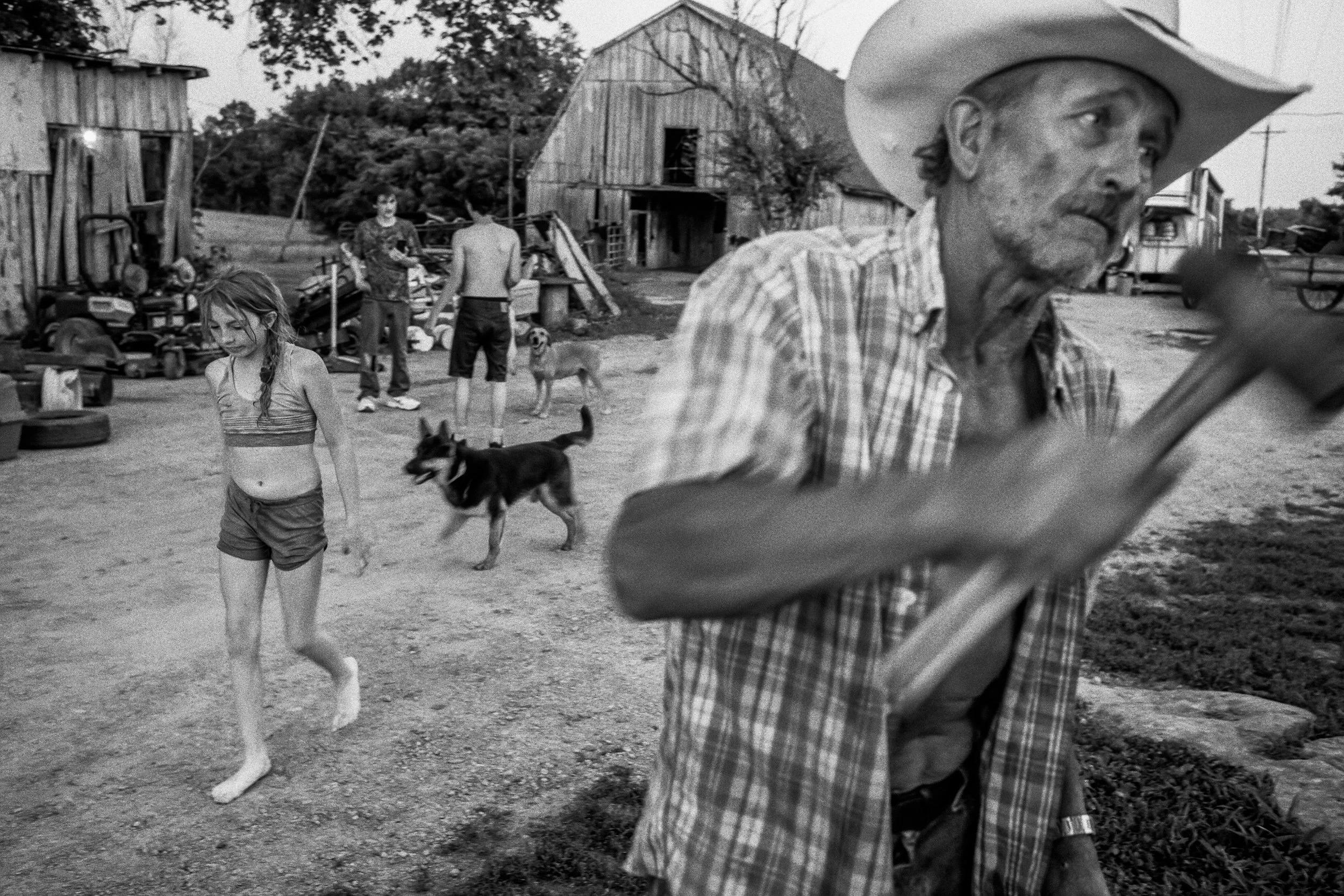
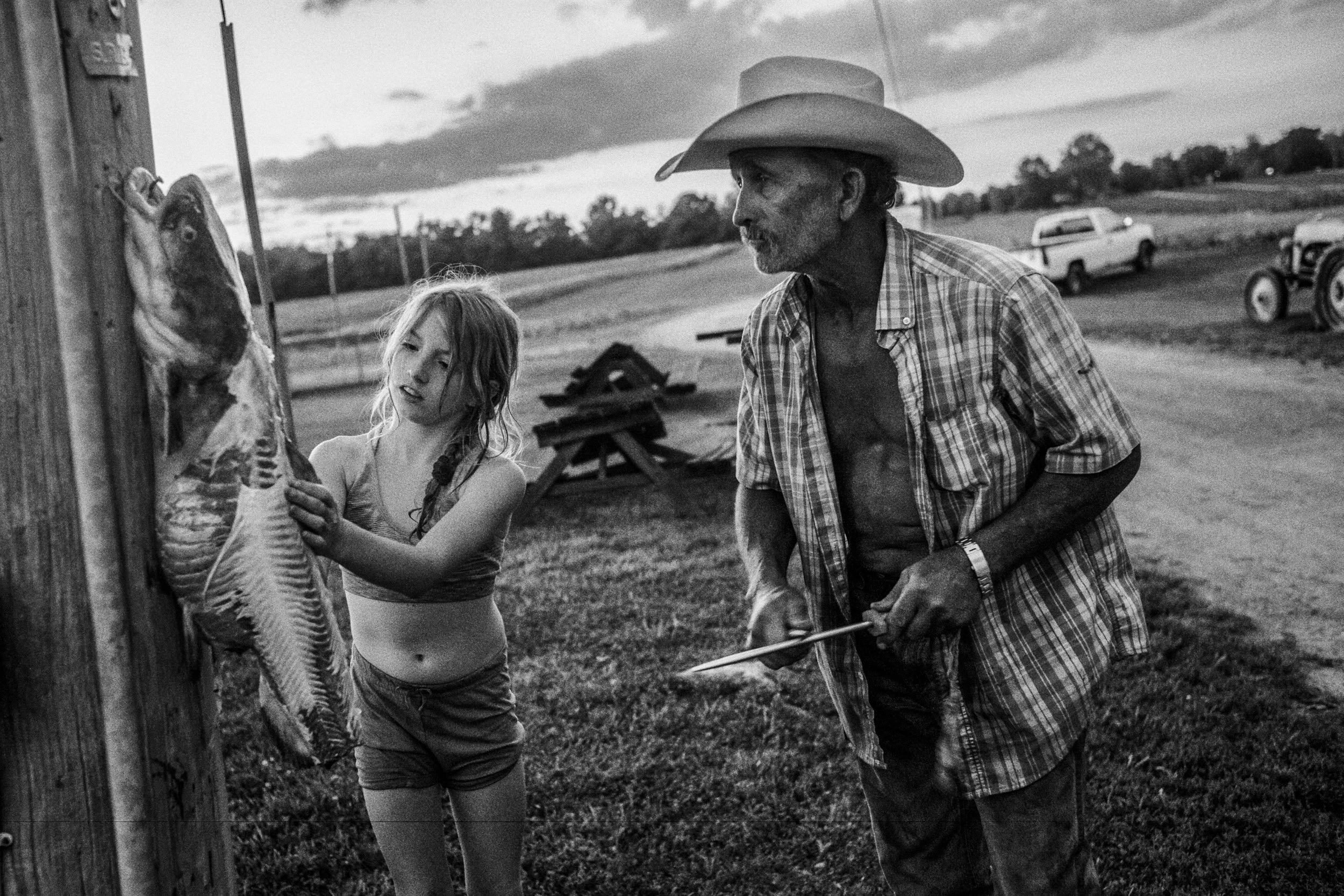
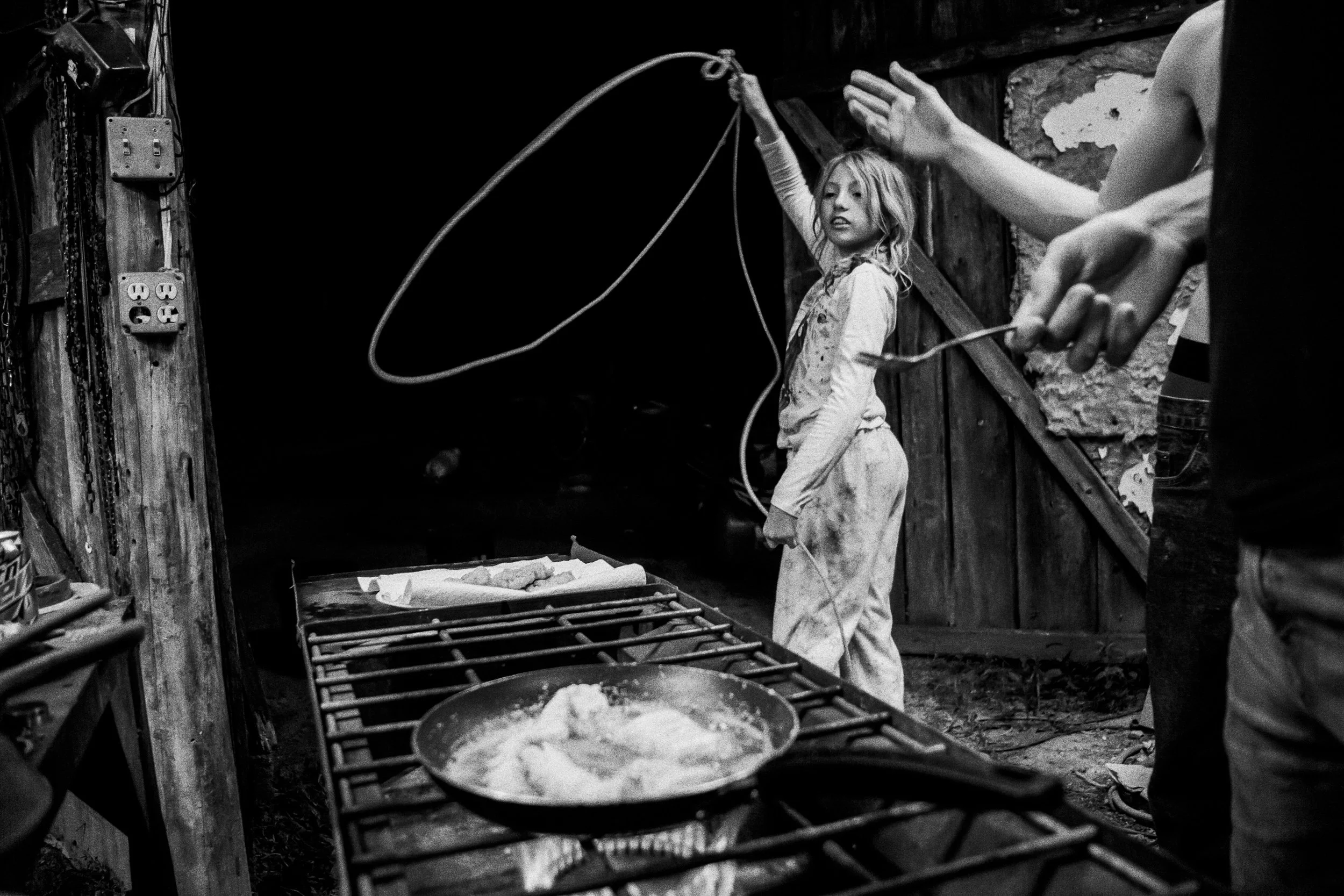
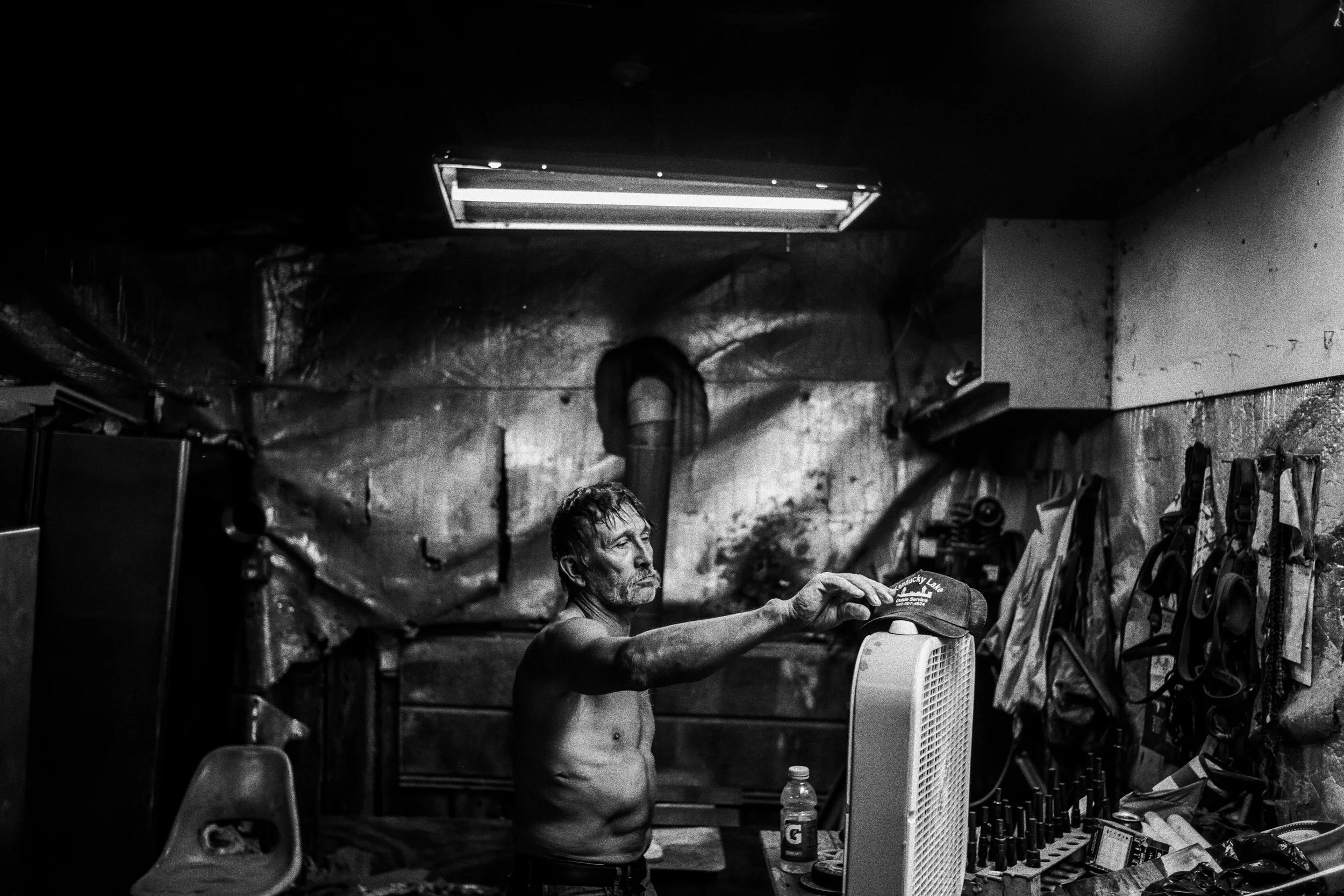
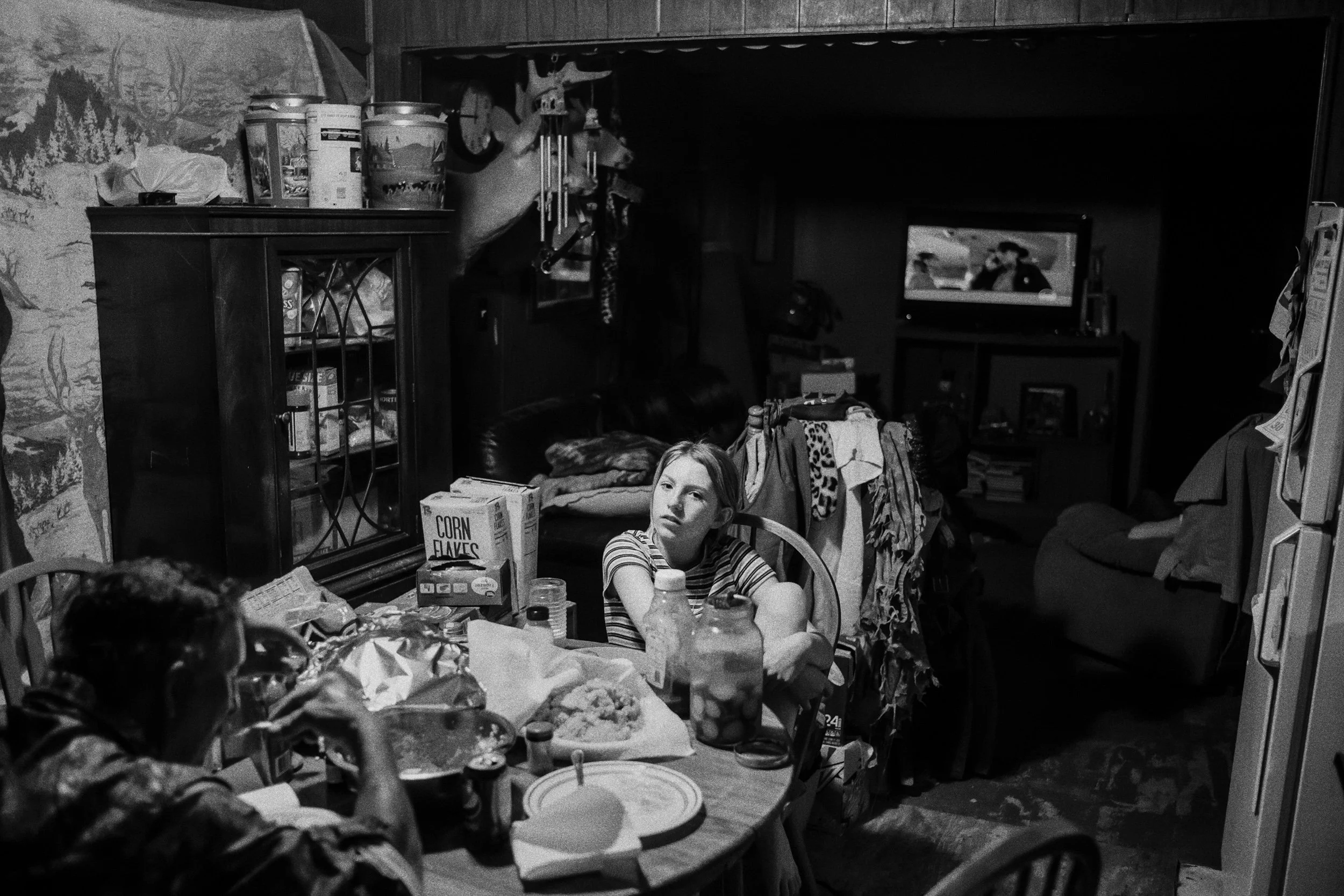
The Last Generation is a collection of coming-of-age stories representing these would-be farmers, chronicling their quest for identity as they choose to adaptor abandon a generational legacy around agriculture. By elevating the points of view of young people and their elders, the work illustrates the vital role traditional midsize farms and ranches have played in the preservation of culture over time, and asks ‘what is lost?’ when the forces shaping modern agriculture continue unabated. As a majority of the world’s producers are gradually pushed to the margins, and our collective connection to the land thins, The Last Generation offers a timeless visual record that dignifies those caught in this disappearing middle, and elevates those charting pathways out of it.
Zoey Allen plays with a hoverboard she received forher eleventh birthday in Bardstown, Kentucky. As ahorse lover and avid barrel racer, Zoey dreams of oneday working with horses on a farm of her own.
Fine Art Print Available.
Lorem ipsum dolor Lorem ipsum dolor dolor Lorem ipsum dolor Lorem ipsum dolor Lorem ipsum dolor .
Lorem ipsum dolor Lorem ipsum dolor dolor Lorem ipsum dolor Lorem ipsum dolor Lorem ipsum dolor .
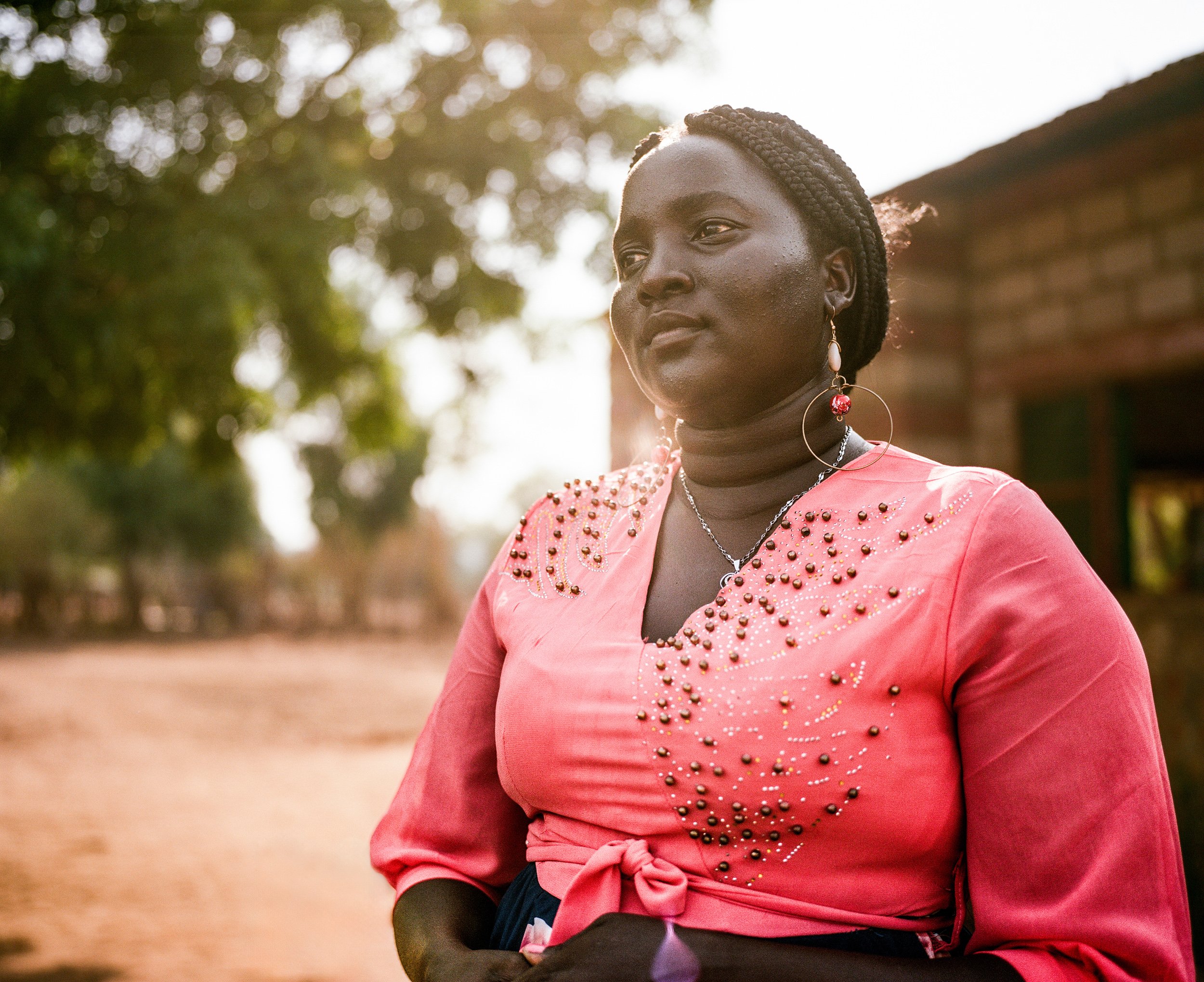
“I was at home with my children when it happened. Who carried me and brought me to the hospital? I don’t know. I didn’t even know I was injured. But when I opened my eyes, I realized that my leg wasn’t there. I asked what happened, and they told us they didn't know. ’These bombs come from somewhere, and they fall on the houses,’ they said. ‘But who dies and who is alive? We don’t know.’ My son was killed in the same bomb, but I thank God that I am alive. This is the way that we were in Khartoum.”
Lorem ipsum dolor Lorem ipsum dolor dolor Lorem ipsum dolor Lorem ipsum dolor Lorem ipsum dolor .
Lorem ipsum dolor Lorem ipsum dolor dolor Lorem ipsum dolor Lorem ipsum dolor Lorem ipsum dolor .
Lorem ipsum dolor Lorem ipsum dolor dolor Lorem ipsum dolor Lorem ipsum dolor Lorem ipsum dolor .
Lorem ipsum dolor Lorem ipsum dolor dolor Lorem ipsum dolor Lorem ipsum dolor Lorem ipsum dolor .
Lorem ipsum dolor Lorem ipsum dolor dolor Lorem ipsum dolor Lorem ipsum dolor Lorem ipsum dolor .
Lorem ipsum dolor Lorem ipsum dolor dolor Lorem ipsum dolor Lorem ipsum dolor Lorem ipsum dolor .
Lorem ipsum dolor Lorem ipsum dolor dolor Lorem ipsum dolor Lorem ipsum dolor Lorem ipsum dolor .
Lorem ipsum dolor Lorem ipsum dolor dolor Lorem ipsum dolor Lorem ipsum dolor Lorem ipsum dolor .